Timing Your Meloxicam Dose with Meals
By Frankie Sze | 5/1/2026
The Science of the Buffer: Why Food Matters for NSAIDs
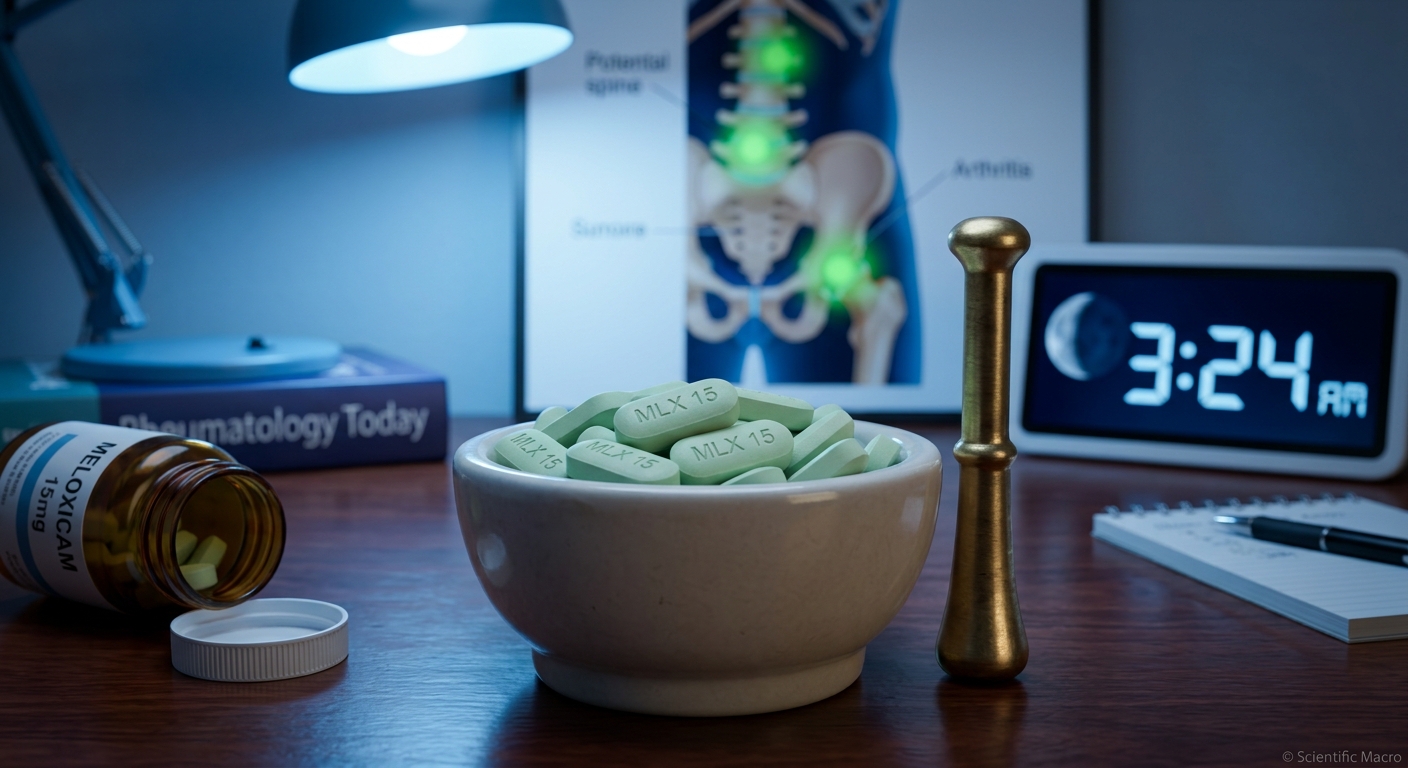
For patients managing chronic arthritis, the evolution of non-steroidal anti-inflammatory drugs (NSAIDs) from frequent, short-acting formulations like ibuprofen to once-daily therapies has significantly improved adherence. Meloxicam, typically prescribed at 7.5 mg or 15 mg, serves as a cornerstone of this transition, offering steady joint relief. However, the pharmacological power of meloxicam comes with a caveat: the inhibition of cyclooxygenase enzymes, which are responsible not only for inflammation but also for maintaining the protective prostaglandin lining of the stomach. By suppressing these essential protective secretions, the medication can leave the gastric mucosa vulnerable to irritation.
Clinical consensus currently emphasizes proactive strategies to mitigate these gastrointestinal risks. As Frankie Sze notes, taking meloxicam with food reduces stomach upset by 40-60% according to clinical studies. Food acts as a physical shield, providing a buffer that prevents the concentrated drug from making direct, caustic contact with the stomach lining. Importantly, while high-fat meals do not substantially alter the overall bioavailability—or area under the curve (AUC)—of the medication, the meal itself serves as a vital protective barrier. To further optimize your regimen, you can refer to our Meloxicam 101: Your Daily Guide to Steady Joint Relief for a deeper dive into these protocols.
Beyond pairing with food, simple mechanics play a role in safety: patients are advised to take each dose with a full 240 ml glass of water and to remain upright for at least 10 minutes to ensure the medication clears the esophagus. While future research continues to investigate how specific meal compositions might further optimize the pharmacokinetics of COX-2 selective drugs, current practice favors timing the dose—often in the evening—to counteract the body’s early-morning inflammatory surge, with the 15 mg dose demonstrating significantly greater efficacy in reducing morning stiffness compared to the 7.5 mg baseline.
Morning vs. Evening: Choosing the Best Meal for Your Symptoms
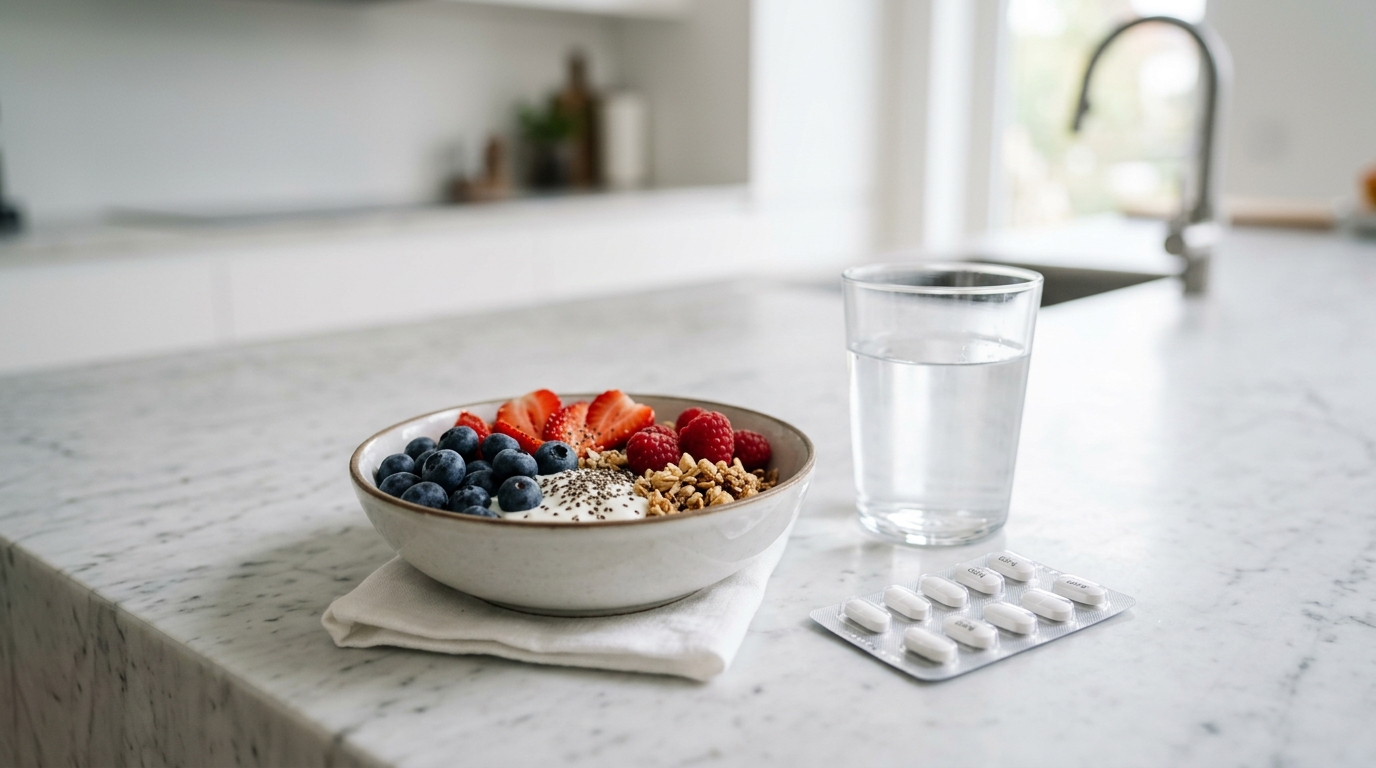
When managing chronic arthritis, the shift from multi-dose anti-inflammatories to long-acting agents like meloxicam—typically prescribed at 7.5 mg to 15 mg once daily—has simplified treatment, yet timing remains a critical variable for patient comfort. For those whose daily lives are defined by physical activity, morning dosing may offer the best coverage for anticipated exertion. However, for patients struggling with the limitations of overnight pain or the immobilization of morning stiffness, clinical perspective suggests a strategic pivot. According to research published in PubMed, “Evening dosing of meloxicam is generally preferred for patients who suffer from pronounced morning stiffness or overnight pain,” as it allows the medication to peak in time to temper the early-morning inflammatory surge. Notably, studies indicate that a 15 mg dose provides significantly greater relief for these symptoms compared to the 7.5 mg dosage.
Regardless of whether you choose a morning or evening regimen, the clinical priority is protecting your gastrointestinal health. Clinical studies confirm that taking meloxicam with food reduces the risk of stomach upset by 40-60%. While ongoing research continues to explore whether meal composition—such as high protein versus high fat—can further optimize absorption, current evidence shows that high-fat meals do not substantially alter the overall drug absorption. To ensure safety and efficacy, every dose should be accompanied by a full glass of approximately 240 ml of water. Furthermore, to mitigate the risk of esophageal irritation, patients must strictly avoid lying down for at least 10 minutes after ingestion, ensuring the medication safely reaches the stomach before you resume your day or retire for the night.

What Counts as a ‘Meal’? Snack Ideas for Dosing on the Go
For patients managing chronic conditions, the transition from multi-dose anti-inflammatories to long-acting NSAIDs like meloxicam has simplified treatment regimens significantly. However, clinical consensus remains clear: consistency in dosing protocol is vital for GI health. As noted by Bezzy RA, “Meloxicam should be taken with plenty of water and a meal or snack, never on an empty stomach.” Because taking meloxicam with food reduces the risk of stomach upset by 40-60%, even those with irregular schedules must prioritize a consistent buffer for their 7.5 mg to 15 mg dose.
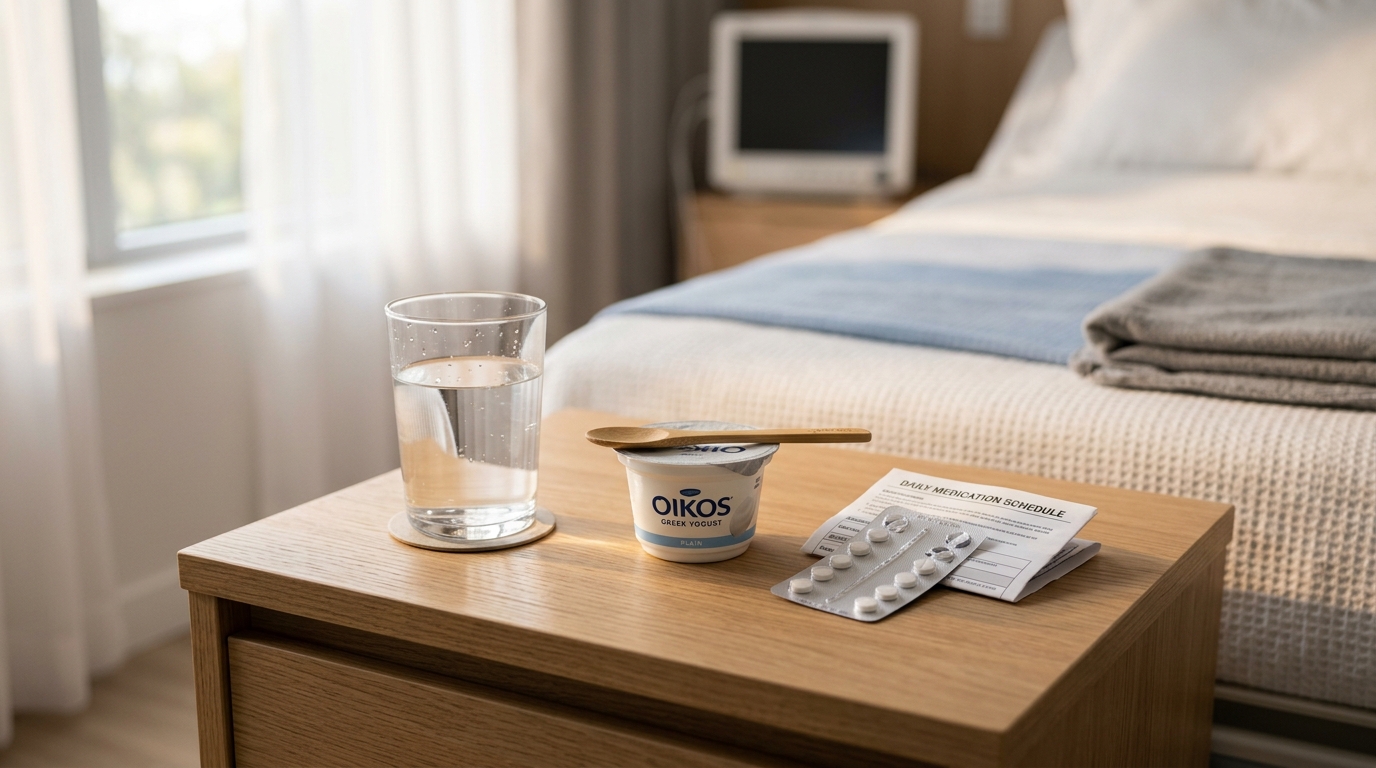
You do not need a full-course breakfast to satisfy these requirements. Since high-fat meals do not significantly alter the overall AUC of the drug, low-effort, nutrient-dense snacks are perfectly acceptable. Consider options such as a tablespoon of almond butter, a single greek yogurt cup, or a handful of walnuts paired with a full 240 ml glass of water. Regardless of your choice, ensure you remain upright for at least 10 minutes post-ingestion to protect the esophageal lining.
For patients struggling with early-morning inflammatory surges, evening dosing is often preferred to maximize relief. While a 15 mg dose has demonstrated superior efficacy in mitigating morning stiffness compared to 7.5 mg, your adherence—bolstered by these small, reliable food pairings—remains the most important factor in your long-term therapeutic success.
Hydration and Posture: Essential Habits Beyond the Plate
While the transition from short-acting NSAIDs to long-acting therapies like meloxicam—typically dosed at 7.5 mg to 15 mg once daily—has simplified chronic pain management, the physical administration of the tablet remains critical to preventing esophageal irritation. Clinical consensus highlights that meloxicam, while effective at targeting the early-morning inflammatory surge when dosed in the evening, requires specific handling to protect the gastrointestinal tract. Even though taking the medication with food can reduce stomach upset by 40-60%, the mechanics of swallowing are equally vital.
To ensure the medication passes efficiently into the stomach, it is essential to facilitate transit through the esophagus. As noted by Vinmec International Hospital, “Take the medication with a full glass of water (about 240 ml). Do not lie down for at least 10 minutes after taking Meloxicam.” This specific practice of verticality prevents the tablet from adhering to the esophageal lining, a common cause of local mucosal damage. While future research may refine how specific meal compositions influence absorption, current clinical guidance focuses on these foundational habits—adequate fluid intake and posture—to maximize the safety and efficacy of your treatment plan.
The ‘Oops’ Protocol: Managing Doses When Your Eating Schedule Shifts
Life is rarely a rigid schedule, and for those managing chronic inflammation, a disrupted routine can raise questions about medication timing. As a long-acting NSAID, meloxicam is typically prescribed in 7.5 mg or 15 mg doses to provide consistent relief; however, if your meal schedule shifts—or if you miss a meal entirely—the priority remains stomach protection. Clinical studies consistently show that taking meloxicam with food reduces the incidence of gastrointestinal upset by 40-60%. According to experts at Doctronic, “When meloxicam is used long-term (more than 2 weeks continuously), with-food dosing becomes the clear preference.” If you find yourself off-schedule, remember that while high-fat meals do not significantly alter the overall absorption (AUC) of the drug, the protective buffer of a meal is vital for long-term safety.
For those targeting the early-morning inflammatory surge, evening dosing is often preferred to manage symptoms effectively. In such cases, the 15 mg dose has demonstrated a significantly greater improvement in morning stiffness compared to the 7.5 mg starting point. Regardless of the time of day, always pair your dose with a full glass of water—approximately 240 ml—and remain upright for at least 10 minutes to minimize esophageal irritation. While current research is looking into whether specific macronutrient profiles, such as high-protein versus high-fat meals, can further optimize the absorption of these COX-2 selective medications, the consensus remains simple: consistency is key. For more in-depth strategies on maintaining your regimen, visit our Meloxicam 101: Your Daily Guide to Steady Joint Relief. By prioritizing stomach health through thoughtful food-pairing, you ensure that your chronic therapy remains as gentle as it is effective.