
Managing Mid-Day Arthritis Flare-Ups Safely
By Frankie Sze | 5/1/2026
The Anatomy of a Mid-Day Flare-Up
For patients managing chronic arthritis, the pharmaceutical landscape is often defined by a delicate balance between long-term stability and acute necessity. Meloxicam, typically prescribed at 7.5 mg or 15 mg once daily, was engineered as a more COX-2 selective alternative to traditional NSAIDs to mitigate gastrointestinal side effects. As detailed in Meloxicam 101: Your Daily Guide to Steady Joint Relief, this steady-state delivery is highly effective for basal inflammation. However, many patients encounter ‘breakthrough pain’ during high-intensity mid-day physical activity, when the baseline serum concentration of the drug may prove insufficient to suppress sudden, localized inflammation.
The dilemma lies in the pharmacological contrast between long-acting and short-acting agents. While experts note that meloxicam’s once-daily dosing and potentially lower stomach irritation make it attractive for long-term use, but ibuprofen’s rapid onset and widespread availability make it perfect for occasional pain relief, mixing these two NSAIDs is medically contraindicated due to a significantly increased risk of gastrointestinal bleeding, stomach ulcers, and renal impairment. Instead, clinicians are increasingly pivoting toward multi-modal pain management to bridge these gaps. For example, acetaminophen—in doses of 500 mg to 650 mg every four to six hours, not exceeding a 3,000 mg total daily limit—can be utilized safely alongside meloxicam. Furthermore, patients seeking localized relief may consider lidocaine patches, which provide anesthesia with minimal systemic absorption, offering a safer alternative to topical diclofenac, which, despite its localized application, still carries the same cardiovascular and gastrointestinal black-box warnings as oral NSAIDs.
The Dangerous Reflex: Why OTC Stacking Fails
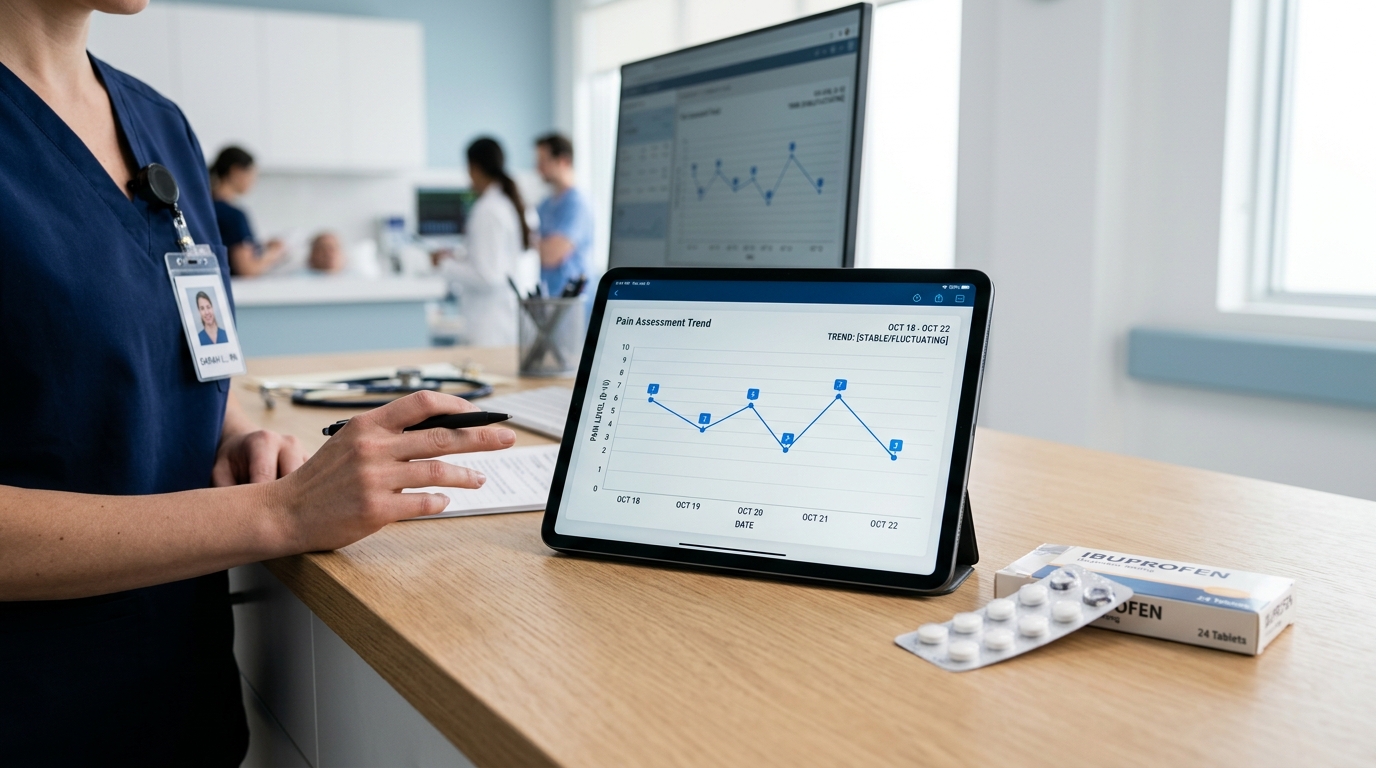
When patients navigate the limitations of long-acting analgesics, the instinct to supplement is often driven by the experience of mid-day breakthrough pain. Meloxicam was originally developed as a more COX-2 selective alternative to traditional non-steroidal anti-inflammatory drugs (NSAIDs) to reduce gastrointestinal side effects, typically dosed at 7.5 mg or 15 mg once daily for arthritis management. However, when this duration proves insufficient for active patients, the common, yet dangerous, reflex is to reach for over-the-counter ibuprofen. This is a clinical error; ibuprofen typically provides relief for only 4 to 6 hours, creating a cycle of reliance that dangerously compounds systemic risks.
The physiological reality is that more is not better when it comes to COX inhibition. As noted by Ikon Recovery Centers: “No. These drugs are both NSAIDs and perform similar functions. Therefore, they should not be combined. Doing so can increase the risk of serious side effects, complications, and overdose.” Stacking two NSAIDs exponentially increases the risk of gastrointestinal bleeding, peptic ulcers, and acute kidney damage, effectively negating the protective design intent of the meloxicam formulation.
For those seeking safe augmentation of their pain management, clinical guidelines favor multi-modal approaches rather than doubling down on the NSAID class. Acetaminophen can be taken safely with meloxicam, provided it is limited to 500 mg to 650 mg every 4–6 hours, with a total daily cap of 3,000 mg. Furthermore, patients must be aware that even topical agents like diclofenac gel carry the same cardiovascular and gastrointestinal black-box warnings as oral NSAIDs. For localized relief, lidocaine patches serve as a preferred, non-systemic alternative with minimal absorption, representing the shift clinicians are taking toward combining long-acting medications with safer, targeted interventions.

Safe Alternatives: Navigating Breakthrough Pain
For patients managing chronic arthritis, the once-daily 7.5 mg or 15 mg regimen of meloxicam provides a consistent baseline of inflammation control, building upon its development as a COX-2 selective alternative designed to mitigate traditional gastrointestinal risks. However, many individuals frequently encounter ‘breakthrough pain’ during mid-day activities as the long-acting effects of their primary medication begin to wane. While standard non-selective NSAIDs like ibuprofen provide relief, they typically last only four to six hours, necessitating frequent re-dosing that creates a hazardous pharmacological overlap. It is critical to note that combining two NSAIDs significantly elevates the risk of gastrointestinal bleeding, peptic ulcers, and acute kidney damage.
A more effective and safer strategy involves multi-modal pain management, which integrates long-acting NSAIDs with non-NSAID analgesics. Acetaminophen serves as an ideal pharmacological bridge for these breakthrough episodes. As noted by medical experts at Doctronic, “Yes, you can generally take meloxicam and Tylenol (acetaminophen) together safely. These medications work through different mechanisms and don’t typically interact with each other.” Patients may utilize 500 mg to 650 mg of acetaminophen every four to six hours, provided the total daily intake remains capped at 3,000 mg to ensure liver safety.
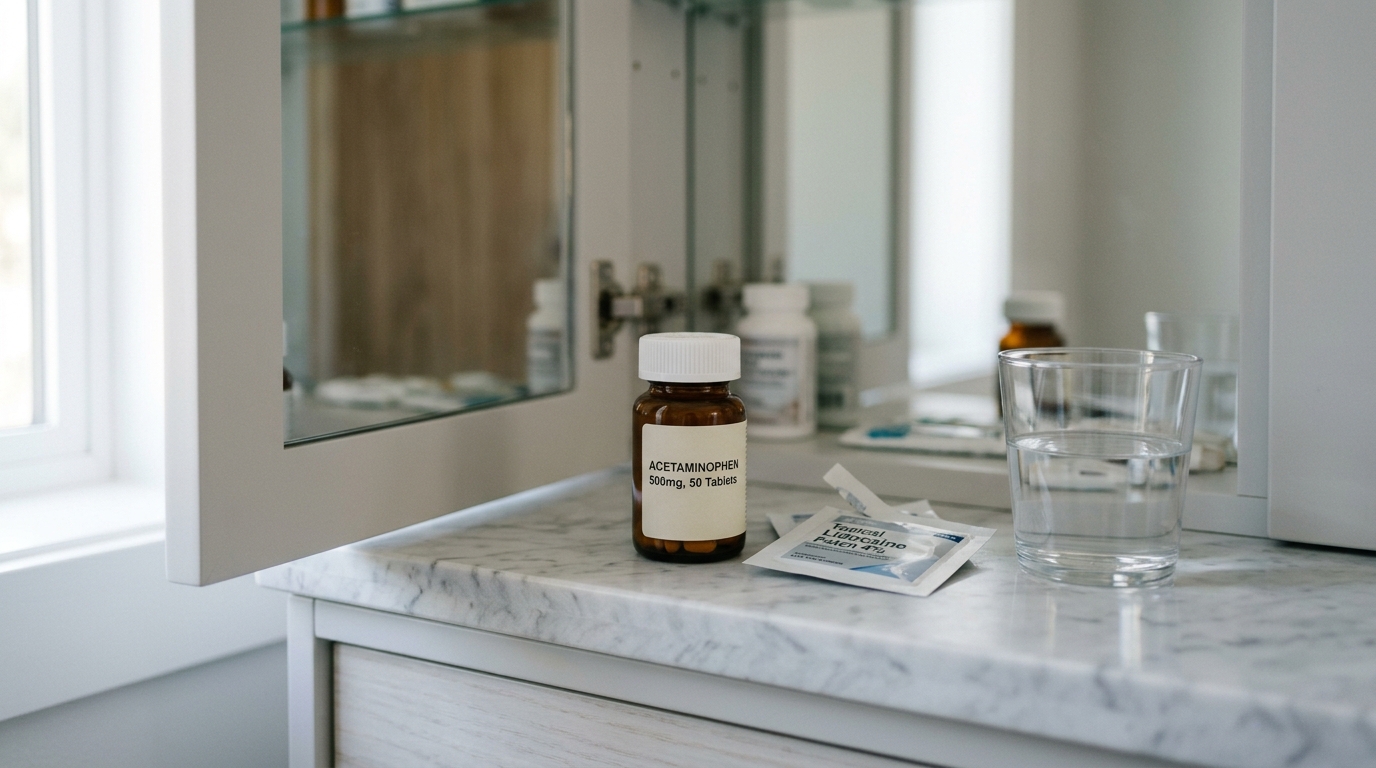
Beyond oral supplements, clinicians are increasingly recommending topical interventions to augment systemic therapy. While topical diclofenac gel carries the same cardiovascular and gastrointestinal black-box warnings as its oral counterparts, lidocaine patches offer a distinct advantage; as local anesthetics with minimal systemic absorption, they provide targeted relief without interfering with meloxicam or increasing the risk of adverse physiological events. By leveraging these non-NSAID alternatives, patients can maintain a more consistent quality of life while navigating the daily fluctuations of their condition.
External Relief: Topicals and Physical Aids
For patients managing chronic arthritis, the once-daily 7.5 mg or 15 mg dose of meloxicam—originally engineered for superior COX-2 selectivity—often proves insufficient to cover the demands of mid-day activity. When this ‘breakthrough pain’ occurs, many patients reflexively reach for additional over-the-counter interventions. It is critical to recognize that while ibuprofen offers short-lived relief lasting only four to six hours, stacking it with meloxicam is strictly contraindicated. Combining two oral NSAIDs drastically escalates the risks of gastrointestinal bleeding, stomach ulcers, and acute kidney damage.
Confusion frequently arises regarding topical alternatives. Patients often assume that because a product is applied to the skin, it is inherently safer; however, topical diclofenac gel maintains the same cardiovascular and gastrointestinal black-box warnings as its oral counterparts. According to current clinical guidance, routine co-administration of topical diclofenac and oral meloxicam is not recommended and patients should be monitored closely for signs of bleeding or ulceration if the combination is used out of necessity.
Clinicians are increasingly pivoting toward multi-modal pain management that integrates non-NSAID analgesics to bridge these gaps. Acetaminophen remains a safer adjunct, typically dosed at 500 mg to 650 mg every four to six hours, provided the patient does not exceed a 3,000 mg total daily limit. For those seeking localized relief without the systemic risks of dual-NSAID therapy, lidocaine patches serve as an effective alternative. As a local anesthetic, lidocaine avoids the systemic pathways associated with NSAIDs, offering a safer profile for patients already stabilized on a regimen of oral meloxicam.
When to Re-Evaluate Your Daily Meloxicam Dose
For many patients, meloxicam serves as a cornerstone of arthritis management due to its design as a COX-2 selective alternative to traditional NSAIDs, intended to minimize gastrointestinal strain. However, it is common for patients to experience ‘breakthrough pain’ during mid-day activities when a once-daily 7.5 mg or 15 mg dose begins to wane. Before you decide to reach for additional over-the-counter medication, it is essential to understand that combining two systemic NSAIDs, such as meloxicam and ibuprofen, significantly elevates your risk of gastrointestinal bleeding, stomach ulcers, and kidney damage. Unlike meloxicam, ibuprofen typically offers relief for only 4 to 6 hours, creating a dangerous trap for those attempting to patch gaps in their pain coverage.
If you find that your pain is no longer an isolated incident but a recurring trend, it is time to consult your clinician rather than self-adjusting your regimen. As noted by the British National Formulary (BNF), clinicians advise against exceeding 15 mg daily, as higher doses do not improve clinical outcomes and instead sharply increase the risk profile. If your baseline dose is failing, the modern clinical shift is toward multi-modal pain management that integrates non-pharmacological aids or safer, non-NSAID analgesics. For instance, acetaminophen (in doses of 500 mg to 650 mg every 4–6 hours, up to a 3,000 mg daily limit) is generally considered safe to combine with meloxicam. Furthermore, while topical diclofenac carries the same black-box warnings as oral NSAIDs, lidocaine patches offer a localized solution with minimal systemic absorption, making them a preferable adjunct.
Understanding your limits is part of your Meloxicam 101: Your Daily Guide to Steady Joint Relief. If maintenance therapy requires frequent re-evaluation, do not hesitate to discuss these long-term management strategies with your physician to ensure your treatment remains both effective and safe.