Managing Pain During a Busy Workday
By Frankie Sze | 5/2/2026
The 3 PM Slump: When Short-Acting Pain Relief Fails the Workday
It is a predictable narrative for millions in the workforce: the morning begins with promise, but as the clock approaches 3 PM, the cognitive ‘brain fog’ and physical discomfort of chronic joint pain settle in. This mid-afternoon decline is often the direct result of relying on short-acting, over-the-counter anti-inflammatories. As one analysis notes regarding common alternatives like ibuprofen, “its effects last only 4-6 hours, requiring multiple doses throughout the day” (The Freedom Center). This frequent dosing requirement is not just a nuisance; it is a major barrier to medical compliance. While once-daily regimens see adherence rates hovering around 78-80%, these numbers plummet to 55-60% for medications requiring three-times-daily dosing. The economic implications of this inconsistent management are staggering, with arthritis-related conditions accounting for an estimated $50 billion in annual productivity losses across the U.S. workforce.
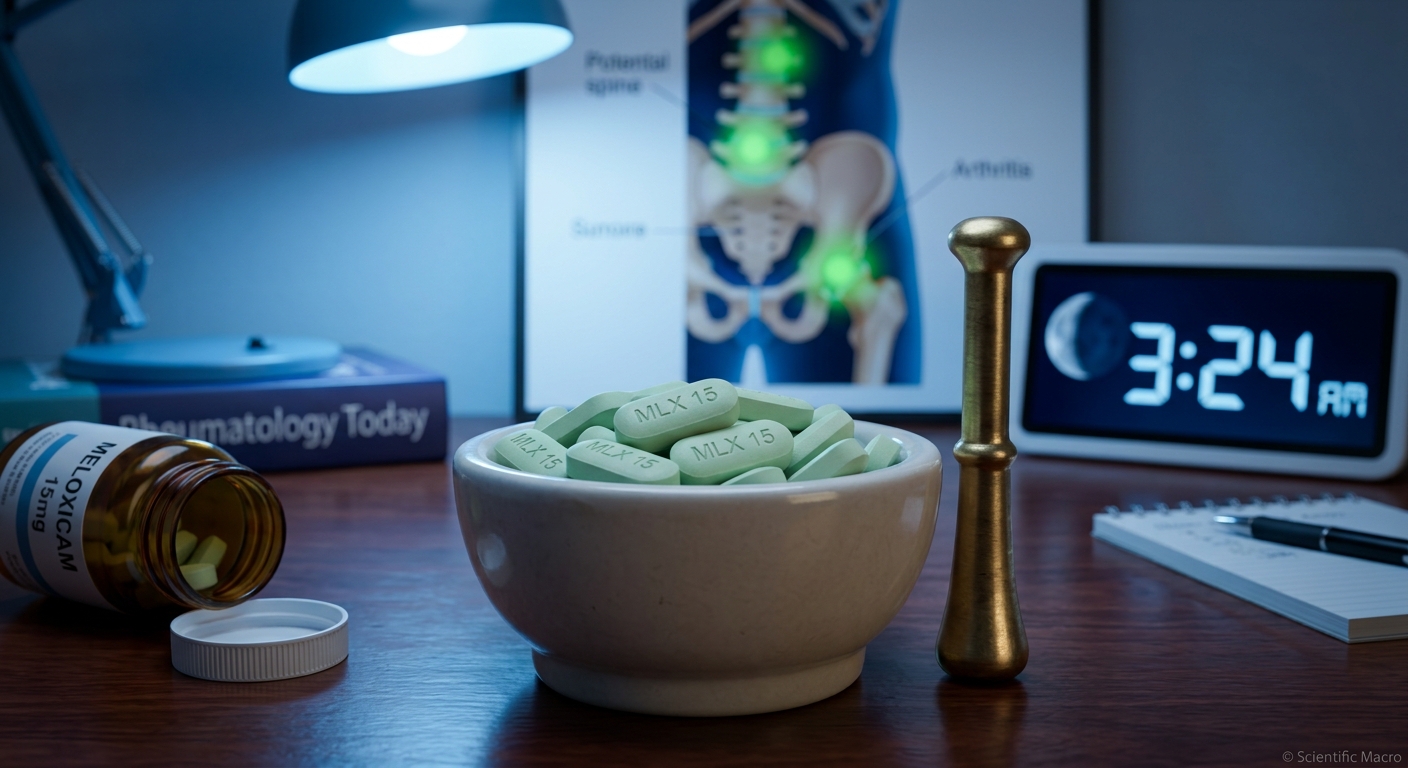
The shift toward modern pain management emphasizes the importance of pharmacokinetics in maintaining peak professional performance. For patients, understanding how medication levels correlate with the workday is crucial. For instance, Meloxicam is typically dosed once daily at 7.5 mg to 15 mg and reaches its peak plasma concentration (tmax) roughly 5-6 hours after administration. By learning more in Meloxicam 101: Your Daily Guide to Steady Joint Relief, patients can begin to see how personalized dosing strategies—such as evening intake around 7 PM to specifically target early morning ‘rusty-hinge’ joint stiffness—can alter their daily trajectory. As we move away from the unreliable cycles of short-acting medications toward therapies that align with individual workday demands, we can effectively mitigate the cognitive and physical toll that breakthrough pain exacts on the modern professional.

The Logistics of Pain: Why Packing Pills is a Professional Burden
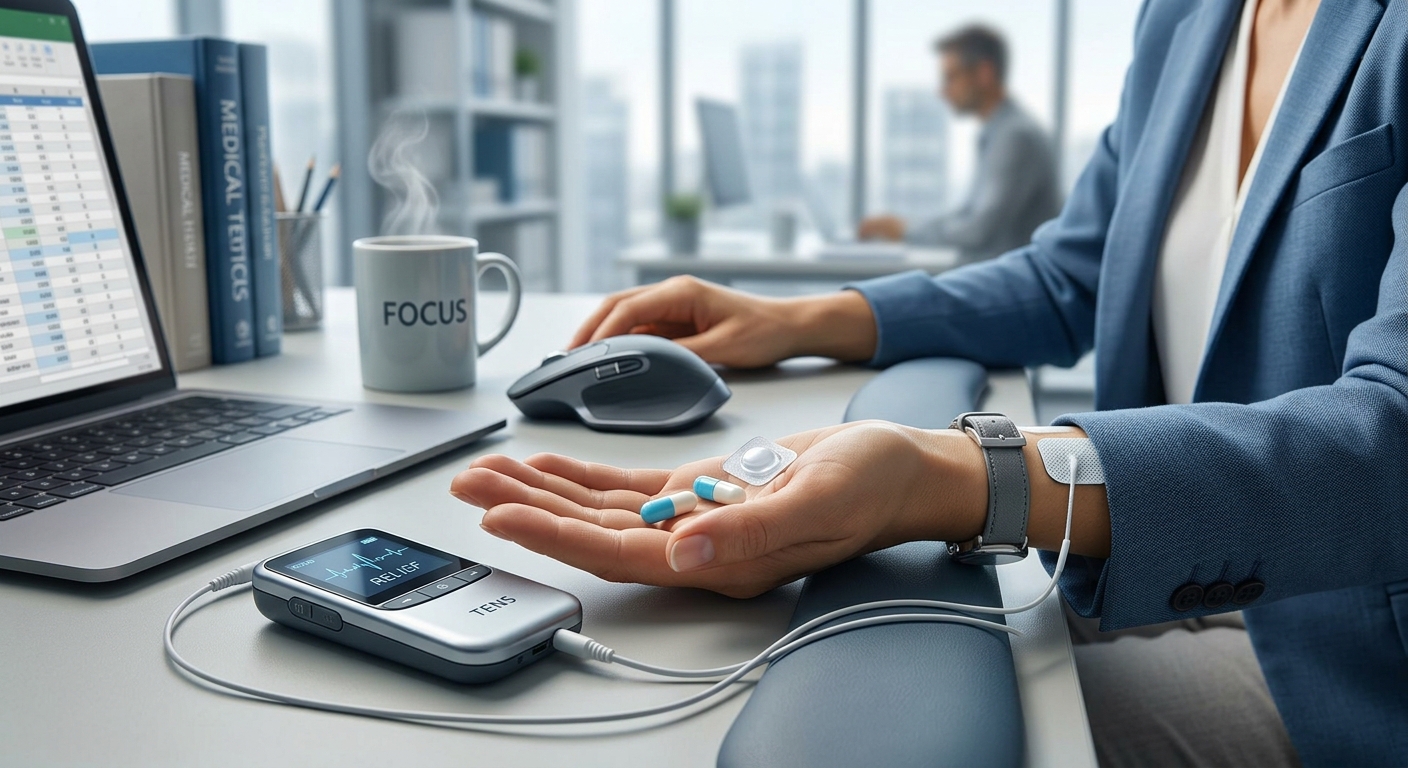
For the modern professional, the management of chronic joint pain often becomes a quiet, persistent logistical challenge. The traditional reliance on short-acting over-the-counter (OTC) medications, such as ibuprofen, necessitates a rigid and often disruptive schedule, with effects typically waning after just four to six hours. As noted in professional clinical guidance, ibuprofen may be less convenient for chronic arthritis management compared to agents like meloxicam precisely because it requires more frequent dosing to maintain consistent relief. This requirement to repeatedly pause tasks to manage medication creates significant cognitive friction, contributing to the staggering $50 billion in annual productivity losses attributed to arthritis within the U.S. workforce.
The transition toward more streamlined pharmacological approaches reflects a growing recognition of the economic and cognitive toll of breakthrough pain. While three-times-daily regimens often suffer from poor adherence—averaging only 55% to 60% due to the complexity of the routine—once-daily medications like meloxicam boast adherence rates of 78% to 80%. By simplifying the therapeutic regimen to a 7.5 mg or 15 mg dose, the burden on the patient is minimized, allowing for better alignment with daily professional demands. Furthermore, the future of pain management lies in personalized dosing; for instance, evening dosing at approximately 7 PM can specifically target the ‘rusty-hinge’ effect of early morning stiffness, as meloxicam reaches peak plasma concentration (tmax) roughly five to six hours after administration. By shifting the focus from reactive, multi-dose OTC cycles to proactive, once-daily clinical management, the workforce can better mitigate the disruptions that chronic pain imposes on professional performance.

Pharmacokinetics of a Busy Schedule: How Meloxicam Sustains Concentration
For the modern professional, traditional reliance on short-acting over-the-counter medications—which often wear off within four to six hours—has historically created cycles of breakthrough pain that undermine both cognitive focus and daily output. With arthritis accounting for an estimated $50 billion in annual productivity losses in the U.S. workforce, the shift toward sustained pharmacotherapy is as much an economic necessity as a clinical one. Meloxicam addresses this instability through a favorable pharmacokinetic profile, typically dosed once daily at 7.5 mg to 15 mg to achieve a therapeutic steady state. As noted by experts at The Freedom Center, “Its longer half-life means the medication stays active throughout the day, providing consistent pain relief.”
This consistency directly impacts patient compliance; while three-times-daily regimens often see adherence rates hovering between 55% and 60%, once-daily meloxicam usage averages 78-80% adherence. Because meloxicam reaches peak plasma concentration (tmax) roughly 5-6 hours after ingestion, it offers a predictable window of efficacy. Looking toward the future, clinicians are increasingly advocating for personalized dosing schedules to match individual career demands. For example, evening dosing around 7 PM can specifically target the debilitating ‘rusty-hinge’ joint stiffness that occurs upon waking, ensuring that the pharmacokinetics of the medication align seamlessly with the start of the workday rather than trailing behind the inflammation.

Focus vs. Flare: The Mental Toll of Fluctuating Pain Levels
The psychological burden of chronic pain often manifests as a form of ‘vigilance fatigue.’ For decades, the workforce has relied on short-acting, over-the-counter NSAIDs like ibuprofen, which typically provide relief for only four to six hours. This frequent dosing requirement necessitates constant self-monitoring, creating a persistent cognitive distraction that interrupts flow states and deep work. Given that arthritis contributes to an estimated $50 billion in annual productivity losses in the U.S. workforce, the shift toward long-acting, once-daily alternatives like meloxicam—dosed at 7.5 mg to 15 mg—represents more than a clinical preference; it is a vital strategy for sustained mental bandwidth.
Data indicates that once-daily NSAID adherence rates hover between 78% and 80%, significantly outperforming the 55% to 60% adherence observed in three-times-daily regimens. As one expert notes, “Its long-acting formula means you don’t have to worry about taking multiple doses or experiencing breakthrough pain between medications” (Doctronic Meloxicam vs. Ibuprofen Analysis). By minimizing the mental ‘check-in’ cycles required to manage breakthrough pain, patients can reclaim the focus necessary for complex tasks.
The future of arthritis management lies in personalized dosing strategies that align with individual workday demands. For many, evening dosing around 7 PM offers a strategic advantage, allowing the medication to reach its peak plasma concentration (tmax) of five to six hours just as the patient wakes, effectively mitigating the common ‘rusty-hinge’ joint stiffness that often sabotages the start of a productive day. By decoupling pain management from constant medication tracking, the focus shifts from symptom mitigation to sustained professional output.
Creating a Seamless Routine: Timing Your Dose for Maximum Productivity
For years, patients have relied on short-acting over-the-counter medications like ibuprofen, which typically provide relief for only four to six hours, leading to inconsistent arthritis management and constant breakthrough pain. This reliance is no longer sufficient; given that arthritis contributes to an estimated $50 billion in annual productivity losses in the U.S. workforce, modern pain management has shifted toward more efficient, personalized protocols. Meloxicam has emerged as a cornerstone of this approach, offering a once-daily dosing regimen of 7.5 mg to 15 mg that significantly boosts compliance. In fact, research indicates that adherence rates for once-daily NSAIDs hover between 78% and 80%, compared to just 55% to 60% for traditional three-times-daily regimens.
Maximizing the efficacy of meloxicam requires aligning its pharmacokinetic profile with your unique workday demands. Because the medication reaches peak plasma concentration (tmax) roughly five to six hours after ingestion, timing is critical. For those whose cognitive and physical output is hindered by morning “rusty-hinge” stiffness, strategic evening administration is essential. According to clinical consensus, “if you are mainly troubled by morning “rusty‑hinge” stiffness that makes getting out of bed difficult, an evening dose taken with dinner (about 7 p.m.) will allow peak plasma levels to occur in the early morning.” By moving toward these personalized dosing schedules, you can ensure that peak medication levels coincide with the start of your workday, mitigating the economic and cognitive impacts of chronic inflammation and fostering a more seamless professional routine.
Conclusion: Reclaiming Your Workday from the Clock
The traditional reliance on short-acting over-the-counter medications has long forced the modern workforce into a reactive cycle of pain management. With ibuprofen effects typically wearing off after just 4 to 6 hours, workers have historically struggled with inconsistent relief, contributing to the staggering $50 billion in annual productivity losses attributed to arthritis in the U.S. workforce. However, the shift toward proactive, personalized care is changing how we approach career longevity.
As noted by experts, “Meloxicam offers once-daily dosing with longer-lasting effects, making it preferred for chronic inflammatory conditions like arthritis” (The Freedom Center). Because meloxicam reaches peak plasma concentration in 5 to 6 hours and is typically dosed once daily at 7.5 mg to 15 mg, it removes the cognitive burden of tracking multiple doses. This is critical for adherence, where once-daily regimens see rates of approximately 78-80%, far outperforming the 55-60% observed with three-times-daily schedules. You can learn more about managing these protocols in our Meloxicam 101: Your Daily Guide to Steady Joint Relief.
The future of work is not just about output, but about sustainable health. By aligning dosing schedules—such as evening intake around 7 PM to specifically target early morning ‘rusty-hinge’ stiffness—individuals can synchronize their medical support with the demands of their professional lives. By transitioning from frequent, reactive dosing to a streamlined, long-acting strategy, you are not merely managing symptoms; you are reclaiming your workday and securing your professional future. – Frankie Sze