
Why Meloxicam is Prescription-Only vs. OTC Ibuprofen
By Frankie Sze | 5/1/2026
The Pharmacy Counter Divide: Why Some NSAIDs are OTC and Others Aren’t
When navigating the pharmacy aisles, the distinction between over-the-counter (OTC) accessibility and prescription-only regulation can feel arbitrary, yet these boundaries are defined by rigorous FDA safety criteria regarding duration of use and therapeutic intent. As noted in recent medical reviews, “Meloxicam and ibuprofen are both NSAIDs that reduce pain and inflammation, but meloxicam is prescription-only while ibuprofen is available over-the-counter” (The Freedom Center). The fundamental difference lies in their temporal profiles and the clinical oversight required for their safe administration.
Ibuprofen functions as a short-acting agent, typically dosed every 4-6 hours to provide acute relief within 30-60 minutes. Because it is intended for brief, intermittent use, the FDA allows for OTC distribution. In contrast, meloxicam is a long-acting NSAID designed for chronic management, usually dosed once daily at 7.5 mg to 15 mg. Unlike the rapid onset of ibuprofen, meloxicam requires several days of consistent use to reach its full therapeutic effect, making it a cornerstone for those seeking consistent joint support, as detailed in Meloxicam 101: Your Daily Guide to Steady Joint Relief.
While meloxicam is preferentially selective for COX-2—which can reduce stomach irritation compared to non-selective agents like ibuprofen—it is not without long-term risks. Chronic therapy necessitates regular monitoring of liver enzymes, blood pressure, and renal function, including creatinine and GFR levels. The potential for compounding harm is significant; for example, patients must avoid combining these medications, as the interaction markedly increases the risk of GI bleeding, stomach ulcers, and acute kidney injury. Furthermore, all NSAIDs carry warnings regarding pregnancy, specifically the need to avoid use after 20 weeks due to risks such as reduced amniotic fluid. In 2025, the FDA reaffirmed that Mobic tablets were not withdrawn for safety or efficacy, maintaining their prescription-only status in 2026 formularies to ensure that patients receiving long-term treatment remain under the necessary clinical supervision.
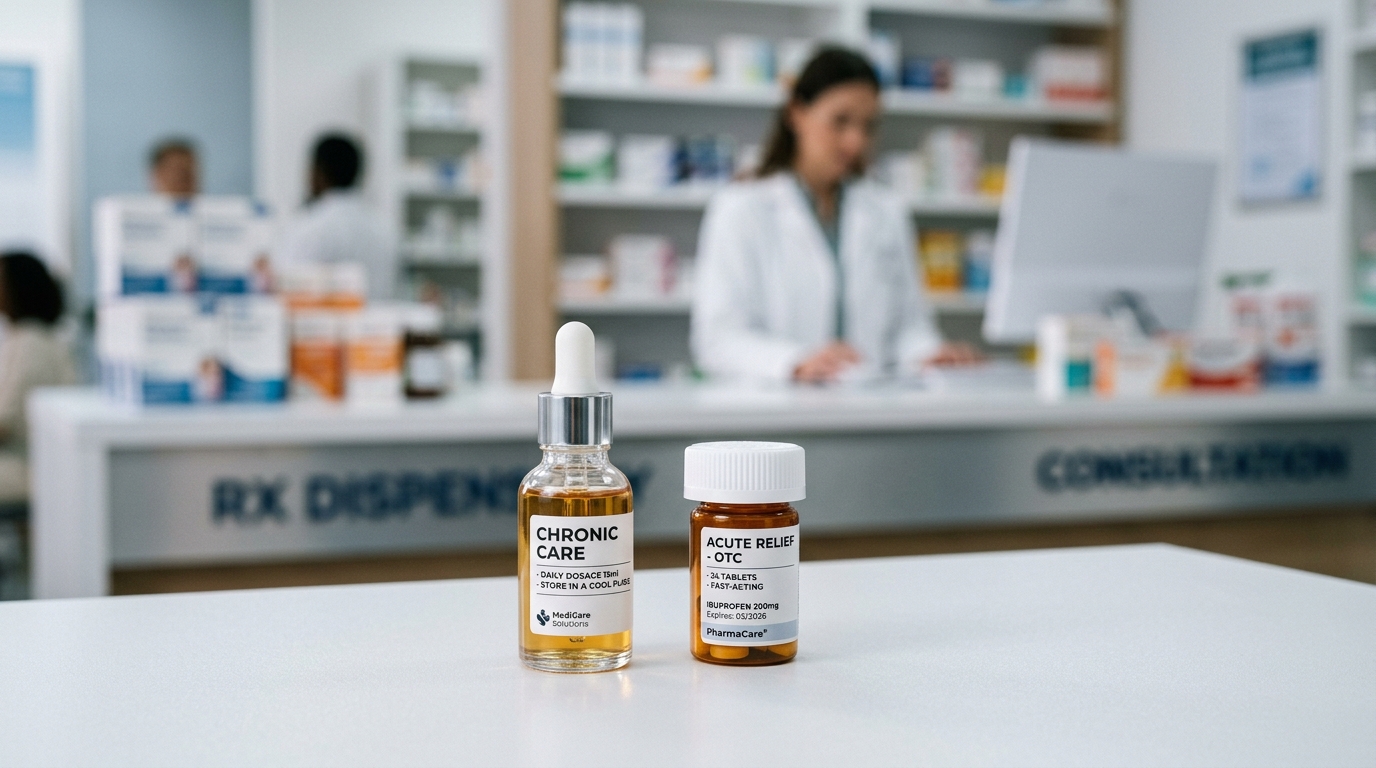
Potency vs. Persistence: Understanding Meloxicam’s Long-Acting Nature
For patients navigating the complexities of chronic inflammation, the distinction between short-acting and long-acting non-steroidal anti-inflammatory drugs (NSAIDs) is foundational to effective management. Ibuprofen, a classic short-acting NSAID, is typically taken in 200–400 mg doses every 4–6 hours to maintain therapeutic levels, providing acute relief within 30 to 60 minutes. In contrast, meloxicam offers a more consistent profile through once-daily dosing of 7.5 mg to 15 mg. As noted in a recent clinical review, “Meloxicam offers once-daily dosing with longer-lasting effects, making it preferred for chronic inflammatory conditions like arthritis.”
This persistence is paired with a distinct pharmacological profile; meloxicam is preferentially selective for COX-2 enzymes, a mechanism that may reduce the incidence of gastric irritation compared to non-selective agents like ibuprofen. However, patients should be cautioned that while ibuprofen acts quickly, meloxicam requires several days of consistent use to reach its full therapeutic potential. Furthermore, the two should never be combined, as concurrent use significantly elevates the risk of gastrointestinal ulcers, bleeding, and renal compromise.
Because meloxicam is a long-term prescription therapy, it requires rigorous clinical oversight. In 2026, standard care necessitates regular monitoring of blood pressure, liver enzymes, and renal function—specifically tracking creatinine and GFR levels. This cautious approach is essential, particularly as patients must avoid all NSAIDs after 20 weeks of pregnancy due to the risk of reduced amniotic fluid. While the FDA confirmed in 2025 that Mobic tablets were not withdrawn for safety or efficacy reasons, maintaining their status as a prescription-only medication, this oversight ensures that the benefits of sustained relief are safely balanced against the ongoing cardiovascular and renal risks inherent in chronic NSAID therapy.

The Hidden Dangers of Self-Management: Why a ‘Doctor’s Eye’ is Required
The convenience of over-the-counter anti-inflammatories often leads patients to underestimate the pharmacological complexity of pain management. While ibuprofen acts as a short-acting NSAID, providing rapid relief within 30 to 60 minutes at 200-400 mg doses, meloxicam functions as a potent, long-acting agent dosed once daily at 7.5 mg to 15 mg. Though meloxicam’s preferential selectivity for COX-2 may mitigate some stomach irritation compared to non-selective agents, it is not a benign substitute; it requires several days to reach its full therapeutic effect, a temporal gap that often tempts patients to reach for additional, faster-acting medications.
This is where the danger of self-management becomes critical. As clinical guidance notes, “Because both medications are NSAIDs, taking them together increases the risk of side effects, such as stomach ulcers, gastrointestinal bleeding, or kidney damage.” Combining these therapies effectively compounds the systemic burden on the body, overriding any selective gastric protection meloxicam might offer. Furthermore, because NSAIDs should be avoided after 20 weeks of pregnancy due to the risk of reduced amniotic fluid, professional oversight is non-negotiable.
As of 2026, meloxicam remains a strictly prescription-only medication, a status upheld by the FDA’s 2025 determination that Mobic tablets were never withdrawn for reasons of safety or efficacy. This designation exists to mandate clinical vigilance: long-term therapy requires regular monitoring of blood pressure, renal function markers such as creatinine and GFR, and liver enzymes. For the patient, the goal is not merely symptom suppression, but the mitigation of the cardiovascular and renal risks inherent in chronic NSAID use, a balance that requires the discerning eye of a physician rather than the trial-and-error of self-medication.

Beyond the Pain: The Monitoring and Lab Tests That Come with a Prescription
While meloxicam is favored for its once-daily dosing—ranging from 7.5 mg to 15 mg—and its preferential COX-2 selectivity, which often mitigates the gastric irritation typically associated with short-acting NSAIDs like ibuprofen, its convenience does not negate the necessity for clinical vigilance. Unlike ibuprofen, which acts rapidly within 30 to 60 minutes for acute pain, meloxicam requires several days to reach its full therapeutic potential. This long-term engagement with the body’s physiological systems is precisely why it remains a prescription-only medication in 2026, reinforced by the FDA’s recent determination that Mobic tablets were not withdrawn for safety or efficacy concerns.
The responsibility of long-term therapy extends far beyond the prescription pad. As clinicians, we emphasize that proactive monitoring is the bedrock of patient safety. According to clinical guidelines, regular monitoring is essential and should include: Blood pressure monitoring for new or worsening hypertension; Renal function tests (creatinine, estimated GFR); Signs of GI bleeding; Peripheral edema assessment; Liver function tests. Because meloxicam directly influences renal prostaglandins, tracking creatinine and glomerular filtration rate (GFR) is critical to preventing silent kidney injury. Furthermore, liver enzymes must be monitored to ensure the medication is being processed safely over time.
Patients must also be cautioned against the dangerous practice of ‘stacking’ NSAIDs. Combining meloxicam with over-the-counter ibuprofen significantly compounds the risk of stomach ulcers, gastrointestinal bleeding, and acute renal failure. Additionally, as we look toward future safety standards, clinicians must remain hyper-vigilant regarding pregnancy, as all NSAIDs should be strictly avoided after 20 weeks of gestation due to the severe risk of reduced amniotic fluid. Through these rigorous testing cycles, we aim to balance the relief of chronic arthritis pain with the preservation of vital organ function.
Chronic vs. Acute: Why You Shouldn’t Use Meloxicam for a Simple Headache
Understanding the fundamental pharmacokinetic differences between meloxicam and ibuprofen is critical for safe medication management. While both are non-steroidal anti-inflammatory drugs (NSAIDs), they serve distinct roles in pain therapy. As noted by The Freedom Center, “Ibuprofen works quickly for acute pain relief but requires multiple doses throughout the day for sustained effect. You’ll typically feel relief within 30-60 minutes.” This rapid onset makes ibuprofen, typically dosed at 200-400 mg every 4-6 hours, the appropriate choice for sporadic, acute conditions like a tension headache.
Conversely, meloxicam is a long-acting NSAID designed for chronic inflammation, such as arthritis, and requires a multi-day buildup to reach its full therapeutic effect. Because it is preferentially selective for COX-2, meloxicam may offer a reduced profile for gastric irritation compared to non-selective options like ibuprofen. However, this clinical advantage comes with the necessity for consistent dosing—usually once daily at 7.5 mg to 15 mg—and stringent long-term monitoring. Patients on maintenance meloxicam therapy require regular clinical evaluation of blood pressure, renal function (creatinine and GFR), and liver enzymes.
It is essential to understand that doubling up on these medications is dangerous. Combining meloxicam and ibuprofen significantly escalates the risk of gastrointestinal bleeding, stomach ulcers, and acute kidney injury. Furthermore, regardless of the drug choice, all NSAIDs must be avoided after 20 weeks of pregnancy due to the risk of reduced amniotic fluid. While the FDA 2025 determination confirmed that Mobic tablets remain safe and effective for their indicated use, they are not a substitute for fast-acting acute analgesics. Relying on a drug that builds up over days will prove ineffective for a sudden headache and unnecessarily increases your systemic exposure to long-term medication risks.
Conclusion: Safety Over Convenience in Chronic Pain Management
In the landscape of chronic pain management, the distinction between acute intervention and long-term therapeutic maintenance is vital. While ibuprofen offers rapid relief for minor aches with its 30-60 minute onset, its short-acting nature and frequent dosing requirements contrast sharply with the once-daily protocol of meloxicam. As noted by Doctronic, “Meloxicam’s once-daily dosing and potentially lower stomach irritation make it attractive for long-term use, but ibuprofen’s rapid onset and widespread availability make it perfect for occasional pain relief.”
The prescription-only status of meloxicam serves as a necessary clinical guardrail rather than an administrative barrier. Because long-term use requires rigorous monitoring of renal function, blood pressure, and liver enzymes, physician oversight ensures that the patient’s organ health remains prioritized over the convenience of over-the-counter access. This protective framework is underscored by the FDA’s 2025 determination that Mobic was not withdrawn for safety or efficacy reasons; it remains a controlled tool for chronic condition management. Patients should consult Meloxicam 101: Your Daily Guide to Steady Joint Relief to better understand these complexities.
Ultimately, the medical necessity of prescription-based management prevents the dangerous practice of combining meloxicam with other NSAIDs—a habit that exponentially increases risks of gastrointestinal bleeding and kidney damage. Whether managing arthritis or navigating the specific contraindications of NSAID use during pregnancy, particularly after 20 weeks, our clinical approach remains fixed on long-term safety. By integrating regular lab diagnostics into the care plan, we ensure that chronic pain relief does not come at the cost of systemic health.