Forgetting Your Daily Dose: A Safety Guide
By Frankie Sze | 5/1/2026
Introduction: The Common Struggle of Medication Adherence
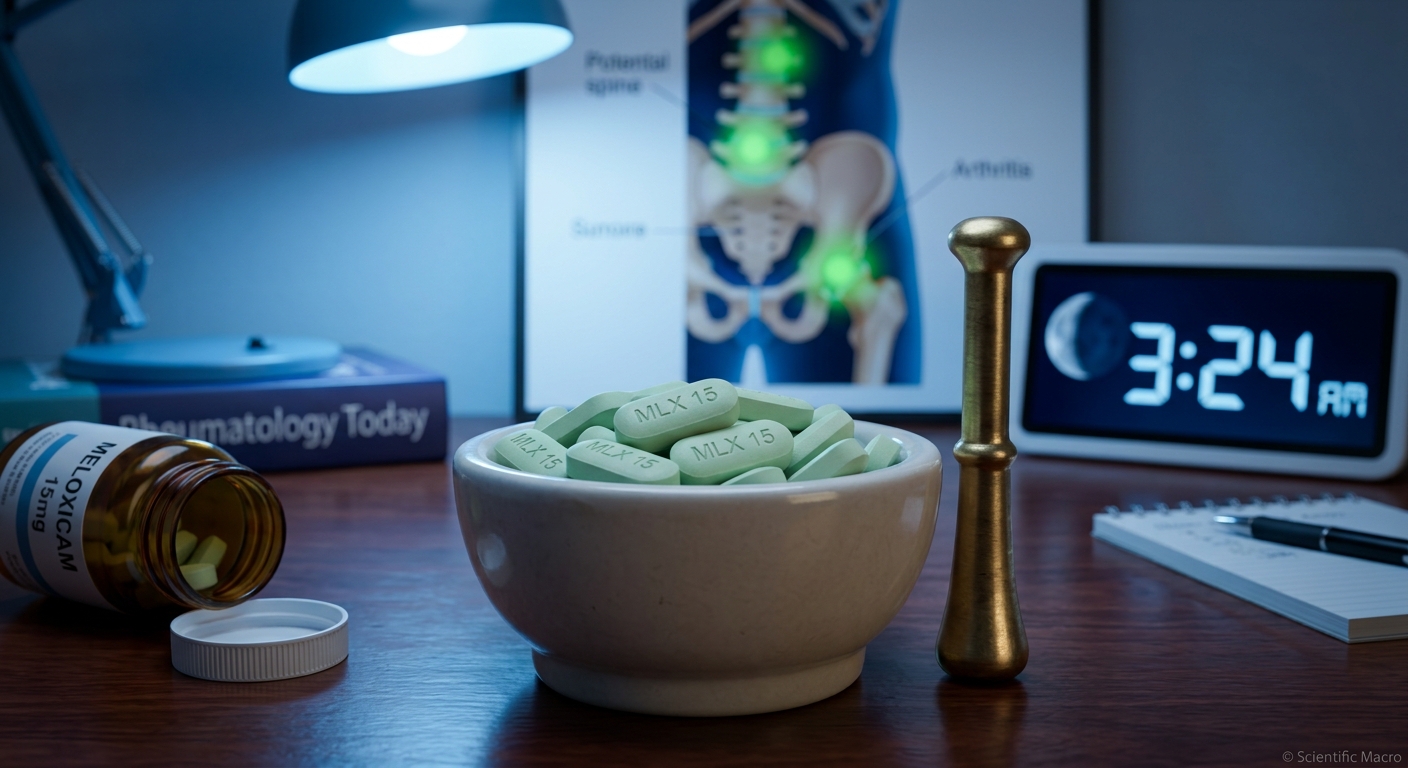
We have all been there: the morning routine is interrupted, the alarm is silenced, and suddenly, you realize your daily dose of meloxicam was left behind. Missing a medication dose can trigger a wave of anxiety, but it is important to recognize that this is a common struggle for those managing chronic inflammation. As patients frequently wonder whether meloxicam or ibuprofen works better for arthritis pain, how quickly each provides relief, and how often they must be taken, it is clear that consistency remains the cornerstone of effective therapy (Source: Medication Adherence and Efficacy Data). Meloxicam is typically dosed once daily at 7.5 mg or 15 mg, and because it boasts a terminal elimination half-life of approximately 20 hours, the drug remains active in your system longer than many shorter-acting anti-inflammatories.
If you have been consistent with your routine, your body has likely reached steady-state plasma concentrations, which occur within 3 to 5 days of daily dosing. This buffer helps, but knowing how to react to a lapse is essential. The standard safety protocol dictates that you should skip a missed dose if your next scheduled dose is less than 12 hours away; never double your dose, as doing so significantly increases the risk of gastrointestinal bleeding, kidney damage, and cardiovascular complications. If you feel increased stiffness in the interim, applying heat for 15-20 minutes can provide localized relief while you get back on track. For a deeper dive into maintaining your regimen, refer to our Meloxicam 101: Your Daily Guide to Steady Joint Relief. By resuming your regular schedule tomorrow, you ensure your long-term inflammation control remains intact, and implementing tools like pill organizers can help prevent these lapses from becoming a recurring issue.
Immediate Action: The ‘No Double-Up’ Safety Rule
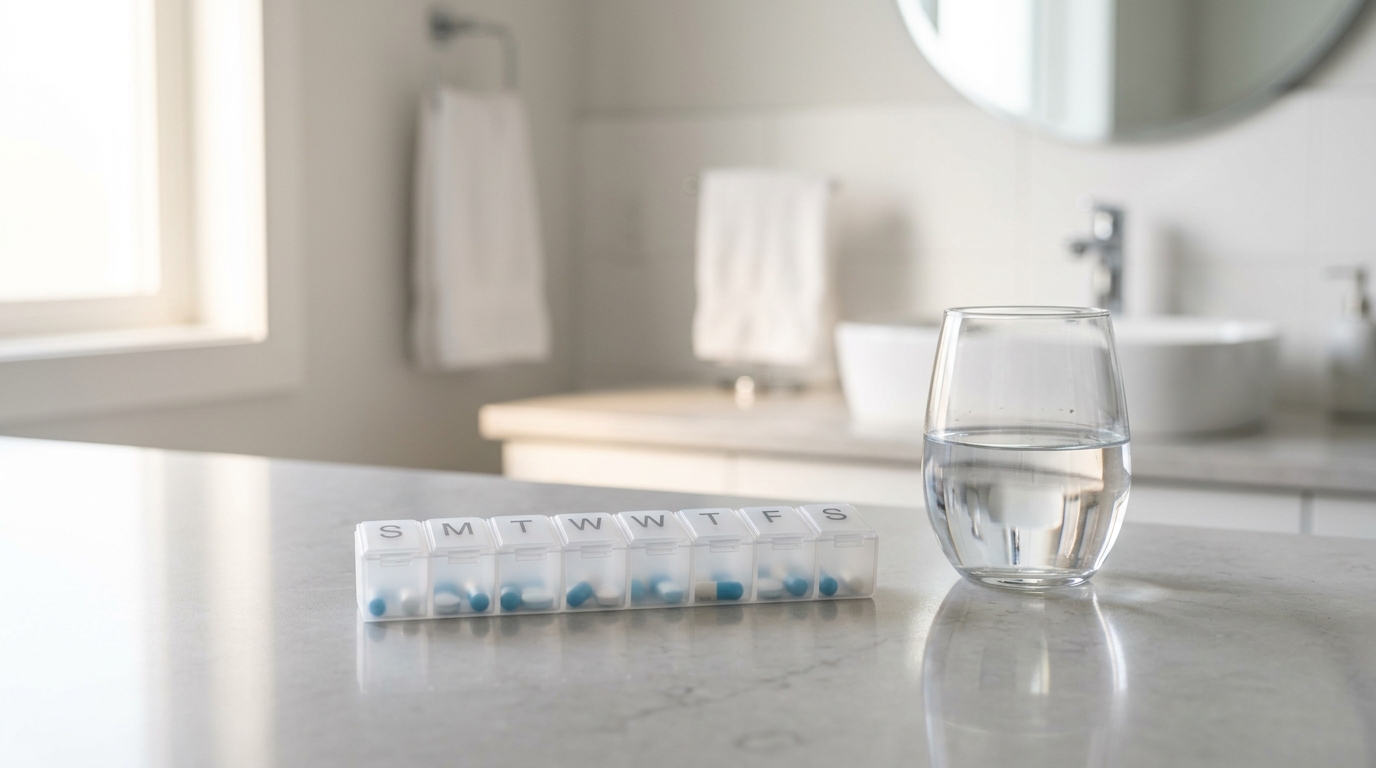
When you realize you have missed a dose of meloxicam, your first instinct may be to correct the lapse immediately. However, it is vital to understand the physiological cost of overcorrecting. Meloxicam is designed to reach a steady-state concentration in your bloodstream over 3 to 5 days of consistent, once-daily dosing at 7.5 mg or 15 mg. Think of this process like watering a houseplant: providing a steady, measured amount of water allows it to thrive, but dousing the soil with twice the intended amount can lead to root damage and decay. Similarly, because meloxicam has a terminal elimination half-life of approximately 20 hours, your body requires time to process the medication effectively.
As noted by the Australian Commission on Safety and Quality in Health Care, “Do not take a double dose to make up for the dose you missed. This may increase the chance of side effects.” Doubling your intake does not simply “catch you up”; it abruptly increases the concentration of the drug in your system, which significantly escalates the risk of serious adverse events, including gastrointestinal bleeding, acute kidney damage, and cardiovascular complications. If you realize you have missed a dose, the standard safety protocol is to skip that dose entirely if your next scheduled one is less than 12 hours away. To manage any breakthrough stiffness during this interval, applying a heating pad for 15-20 minutes is a safer, non-pharmacological alternative. By resuming your regular schedule rather than attempting to double up, you ensure the maintenance of long-term inflammation control while protecting your systemic health. Moving forward, utilizing a pill organizer can help prevent these lapses, keeping your treatment plan on track.
The Timing Window: When to Take a Late Pill vs. When to Skip
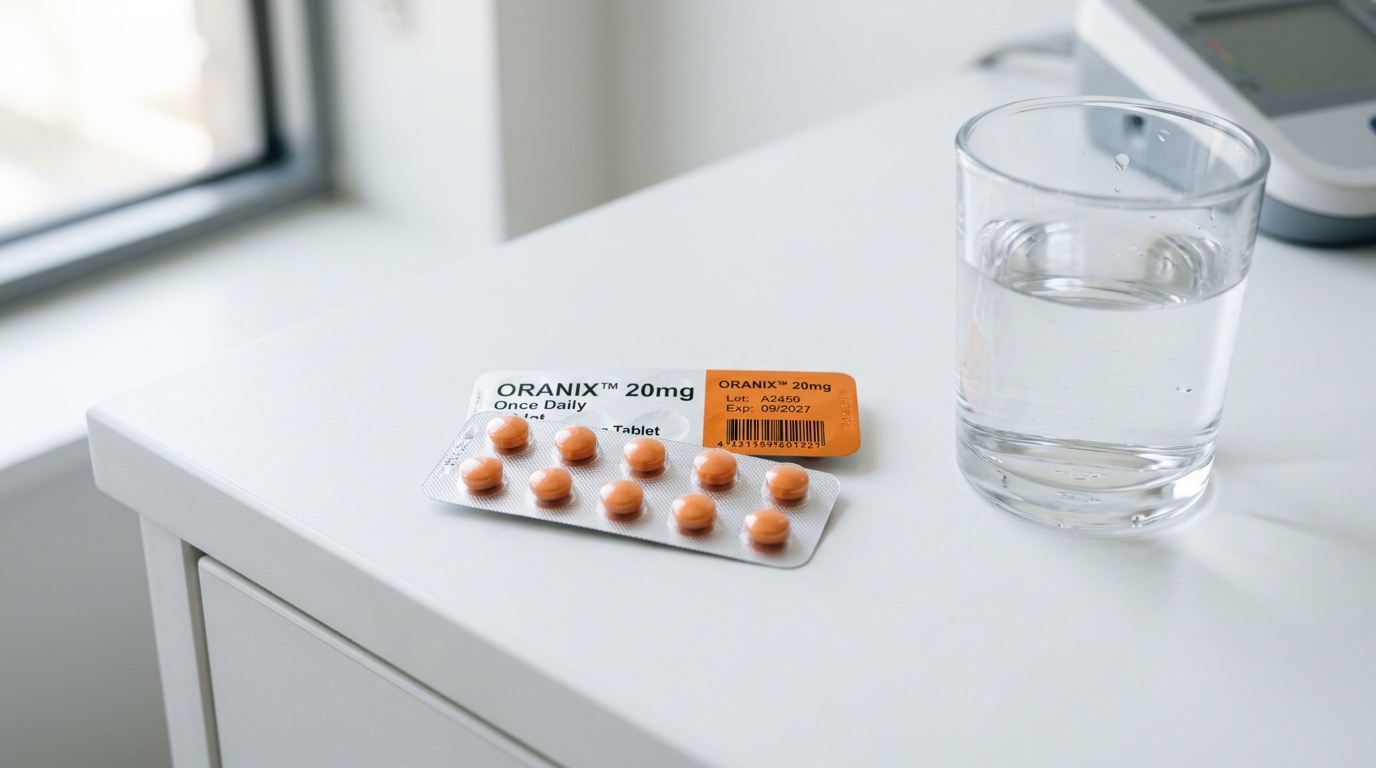
When you realize you have missed your scheduled once-daily dose of meloxicam—typically prescribed at 7.5 mg or 15 mg—the primary goal is to maintain the steady-state plasma concentrations that you have worked to achieve over the past three to five days. Because meloxicam possesses a terminal elimination half-life of approximately 20 hours, the drug remains active in your system for an extended period, which offers some flexibility; however, precision remains vital for long-term inflammation control.
To determine your next step, you must apply the 12-hour rule. As noted in the official clinical guidelines, “If you miss a dose, give it when you remember, but if it is closer than 12 hours before the next scheduled dose, either 1) skip the dose you missed and give it at the next scheduled time and go back to the regular dosing schedule.” It is imperative that you never attempt to compensate for a missed dose by doubling up. Increasing your dosage beyond the prescribed amount significantly heightens the risk of serious adverse effects, including gastrointestinal bleeding, acute kidney damage, and cardiovascular complications.
If you find yourself within that 12-hour window where skipping is the safer clinical choice, you may feel an increase in stiffness or discomfort. In these instances, applying heat to the affected area for 15 to 20 minutes can be an effective, non-pharmacological way to manage symptoms until your next scheduled dose. Moving forward, integrating adherence tools like a pill organizer can help ensure you remain within your therapeutic routine, keeping your levels consistent without the stress of managing missed intervals.
Why You’re Still Protected: The Science of Meloxicam’s Long Half-Life
If you have established a consistent routine, you have likely achieved a therapeutic steady-state level of meloxicam in your bloodstream, a process that occurs within 3 to 5 days of regular daily dosing. This sustained presence is a result of the drug’s pharmacology; as noted in pharmacological literature, “Its terminal elimination half-life is approximately 20 hours, making it suitable for once-daily dosing. Its steady-state drug plasma concentrations are reached within 3–5 days.” Because of this 20-hour half-life, the medication does not immediately leave your system the moment a dose is missed, providing you with a buffer of continued protection against inflammation.
When you realize you have missed your scheduled 7.5 mg or 15 mg dose, it is important to adhere to safety protocols rather than attempting to compensate. If the time until your next scheduled dose is less than 12 hours, the standard medical recommendation is to skip the missed dose entirely and resume your normal schedule. Under no circumstances should you double your dose, as this significantly escalates the risk of serious adverse effects, including gastrointestinal bleeding, kidney damage, and cardiovascular complications. If you experience discomfort or stiffness during this lapse, applying heat for 15-20 minutes can be an effective, non-pharmacological way to manage symptoms until your next scheduled dose. Moving forward, utilizing adherence tools such as pill organizers can help you maintain the steady-state control necessary for long-term pain management.
Handling the Flare: Managing Pain Until Your Next Scheduled Dose
When you realize you have missed a dose, it is critical to resist the urge to double up. Because meloxicam has a terminal elimination half-life of approximately 20 hours, your system still retains a background level of the medication, especially if you have achieved steady-state plasma concentrations, which typically occurs within three to five days of consistent daily dosing. To avoid the heightened risk of gastrointestinal bleeding, kidney damage, and cardiovascular issues associated with exceeding your prescribed 7.5 mg or 15 mg limit, follow the standard safety protocol: if your next scheduled dose is less than 12 hours away, simply skip the missed dose and resume your regular schedule to maintain long-term inflammation control. Avoid the temptation to reach for over-the-counter NSAIDs like ibuprofen during this gap, as stacking these medications can lead to dangerous drug interactions and increased toxicity.
Instead, focus on non-drug interventions to bridge the gap until your next dose. According to guidance from Meloxicam Health, “If stiffness flares up, consider applying a warm compress or heating pad to the affected joints for 15 to 20 minutes to relax tight muscles and improve blood flow.” This simple, localized physical therapy can effectively mitigate breakthrough discomfort without systemic side effects. Moving forward, integrating adherence tools like a dedicated pill organizer will help stabilize your routine, ensuring that your medication levels remain consistent and your inflammatory symptoms stay well-managed.
Prevention Strategies: Tools for a Consistent Daily Routine
Establishing a reliable cadence for your medication is essential, particularly given that meloxicam reaches its steady-state plasma concentration within 3 to 5 days of consistent daily dosing. Because the drug possesses a terminal elimination half-life of approximately 20 hours, missing a dose can disrupt the therapeutic levels required for inflammation control. If you realize you have missed a dose, consult the 12-hour rule: if your next scheduled dose is less than 12 hours away, skip the missed dose entirely. Never attempt to compensate by doubling your intake, as this significantly increases the risk of gastrointestinal bleeding, kidney impairment, and cardiovascular complications. As noted in our Meloxicam 101: Your Daily Guide to Steady Joint Relief, maintaining this rhythm is vital for long-term efficacy.
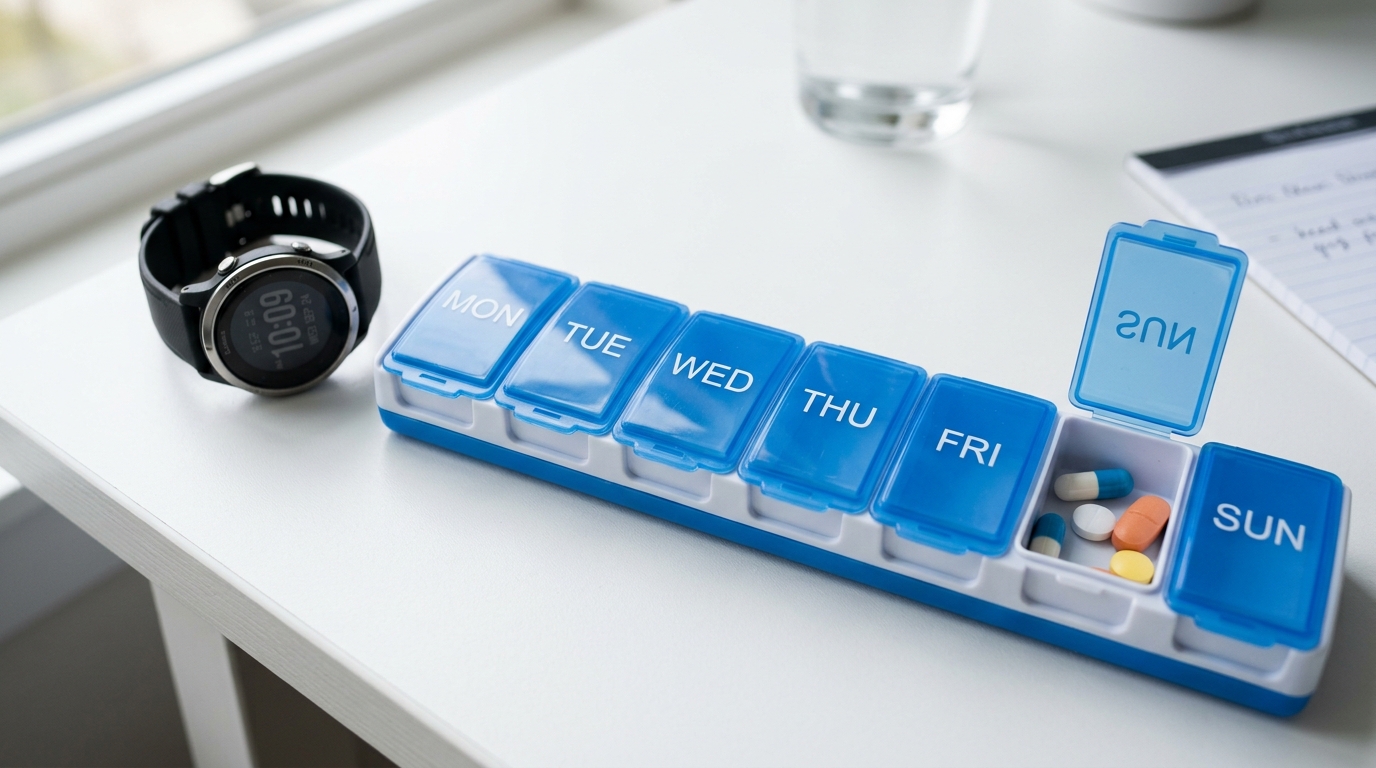
To ensure your 7.5 mg or 15 mg dose becomes an automatic habit, leverage environmental cues by “stacking” your medication with an existing, non-negotiable activity. As advised by Bezzy RA, “Meloxicam should be taken with plenty of water and a meal or snack, never on an empty stomach. Consider when you eat a meal and consume fluids.” Pairing your pill with your primary daily meal serves as a powerful anchor. Should you experience a lapse, do not panic; applying gentle heat to affected joints for 15-20 minutes can provide supplemental relief while you wait for the next scheduled interval to restore your baseline protection. Utilizing physical tools like a pill organizer or digital reminders will further safeguard your regimen against future lapses, ensuring you remain within the therapeutic window required for consistent relief.