How Long Does Meloxicam Take to Work?
By Frankie Sze | 5/2/2026
The First Dose: Why You Might Not Feel an Immediate ‘Zing’
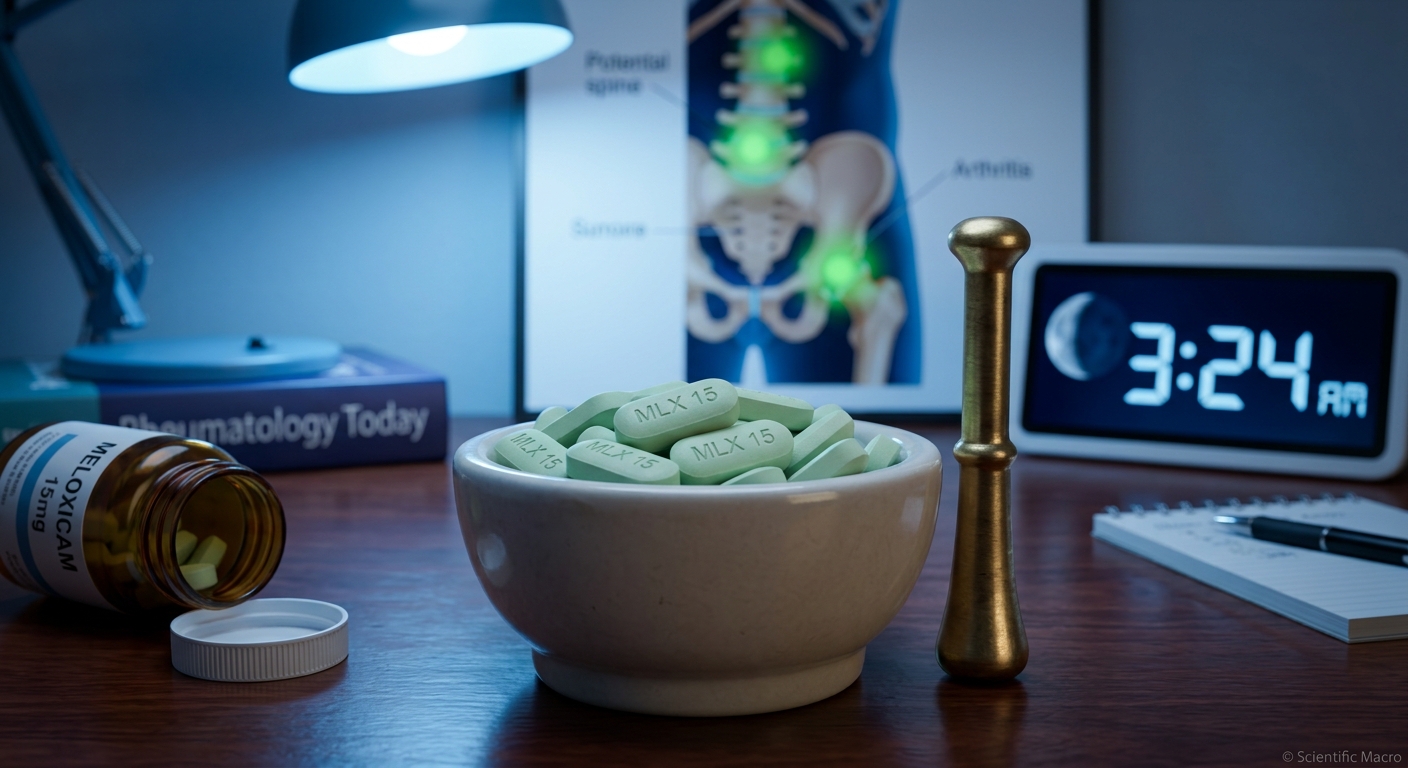
For many patients transitioning from short-acting, over-the-counter NSAIDs like ibuprofen, the expectation is an almost immediate reduction in joint discomfort. However, meloxicam functions differently, as it is designed for consistent, long-term inflammation management rather than rapid, acute rescue. It is crucial to manage expectations early in treatment; as noted by SingleCare, “It can take four to six hours before you begin experiencing any relief from the oral formulation.”
This delayed onset is a byproduct of the drug’s pharmacological profile. While meloxicam is a preferred prescription for chronic arthritis due to its once-daily 7.5 mg or 15 mg dosing schedule, it does not provide the “zing” associated with faster-acting agents. Patients should also note that food intake can further delay the time to peak plasma concentration (Tmax) by one to two hours. Because meloxicam is preferentially selective for the COX-2 enzyme, it often causes less gastric irritation than traditional NSAIDs, yet its full anti-inflammatory benefits typically require up to two weeks of sustained, once-daily use. Understanding the “steady state” concept is essential for success, which is why we encourage readers to review Meloxicam 101: Your Daily Guide to Steady Joint Relief to learn more about how the drug’s 15 to 20-hour half-life supports long-term joint health.

Pharmacokinetics 101: Reaching the ‘Steady State’
For patients long accustomed to short-acting NSAIDs like ibuprofen, the transition to meloxicam often requires a shift in expectations. While traditional over-the-counter options are designed for rapid, fleeting relief, meloxicam is engineered for sustained efficacy in managing chronic arthritis. Because the drug possesses a prolonged elimination half-life of approximately 15 to 20 hours, it remains in the systemic circulation significantly longer than many of its counterparts. This extended duration is precisely why a once-daily regimen of 7.5 mg or 15 mg is sufficient to maintain therapeutic levels, though it also dictates a slower ramp-up period.
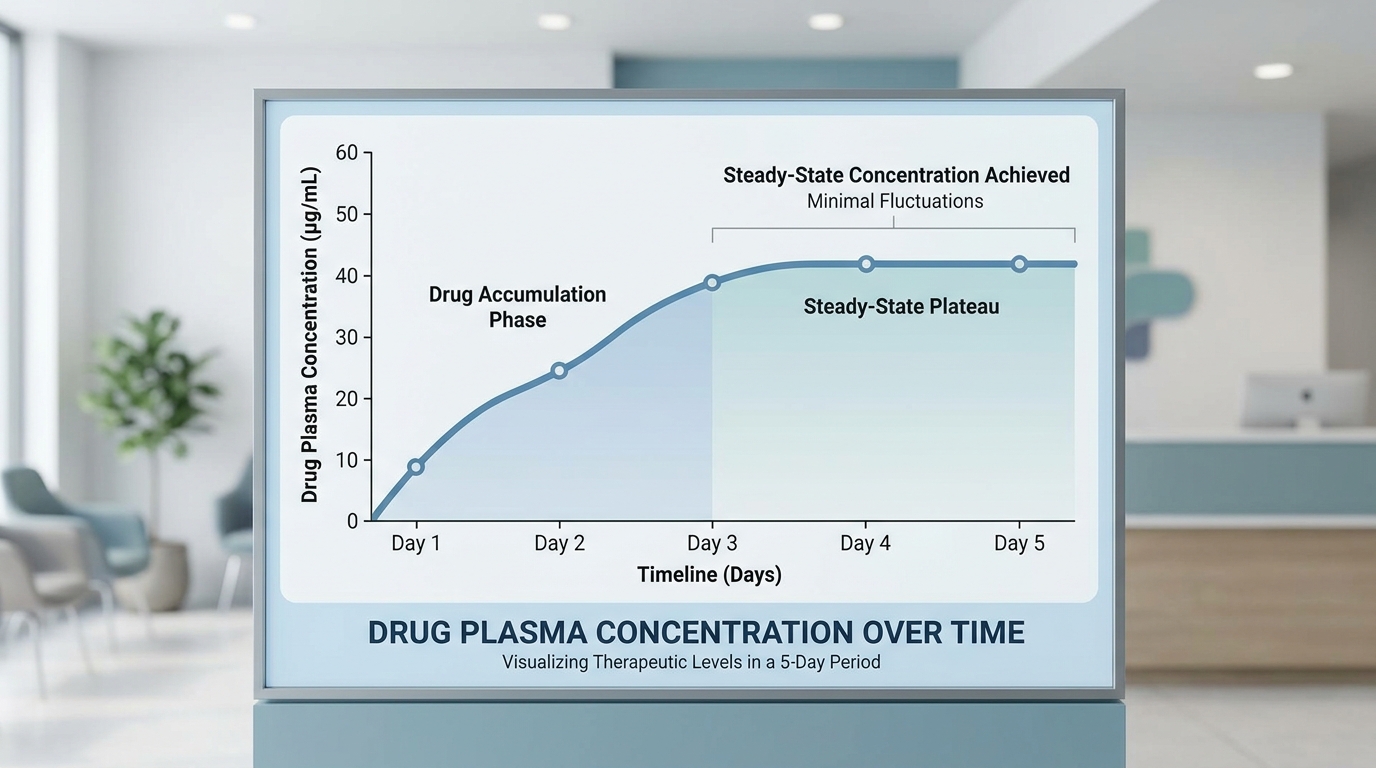
Patients should note that while initial pain relief typically begins 4 to 6 hours after the first dose, the true pharmacological stabilization—known as the ‘steady state’—takes longer to manifest. As noted in clinical literature, “Steady state is achieved within 3 to 5 days.” During this initial window, the body is gradually accumulating the drug until the rate of intake matches the rate of elimination. Clinicians are increasingly emphasizing this ‘steady state’ concept to help patients manage expectations, particularly because the full anti-inflammatory benefits often require up to 2 weeks of consistent, daily use to reach maximum impact. While food intake may delay the time to peak plasma concentration (Tmax) by 1 to 2 hours, it does not undermine the drug’s eventual effectiveness; rather, it highlights the importance of consistency. By prioritizing this steady blood concentration, patients can benefit from meloxicam’s preferential selectivity for the COX-2 enzyme, which helps provide relief while potentially reducing the gastrointestinal irritation associated with traditional non-selective NSAIDs.
The Two-Week Rule: When to Evaluate Full Relief
For patients long accustomed to the rapid onset of short-acting NSAIDs like ibuprofen, the transition to meloxicam requires a shift in perspective. While initial pain relief from a 7.5 mg or 15 mg dose typically begins within four to six hours, the drug’s true therapeutic potential is not measured by immediate suppression of symptoms but by the systematic reduction of chronic inflammation. Understanding this requires distinguishing between circulating blood levels and actual tissue healing.
Meloxicam is uniquely suited for once-daily convenience, and steady-state plasma concentrations are achieved within three to five days of consistent dosing. Because the medication has a prolonged elimination half-life of 15 to 20 hours, it maintains a stable, preferential selectivity for the COX-2 enzyme, which helps mitigate the gastric irritation common with older, non-selective agents. However, patients should be mindful that food intake can delay the time to peak plasma concentration by one to two hours, and reaching the physiological “steady state” is only the beginning of the recovery process.
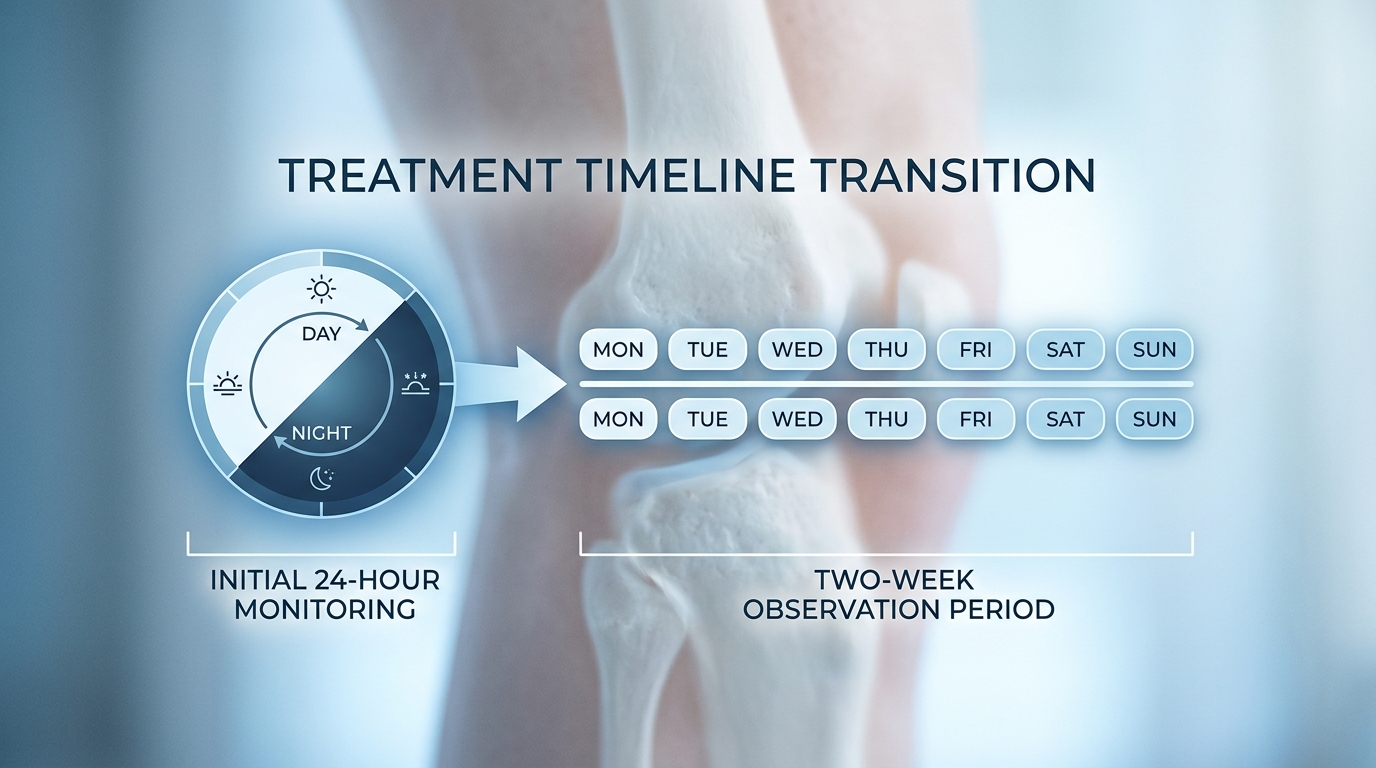
True, lasting relief relies on cumulative anti-inflammatory action. As noted by experts at the Meloxicam Health Institute, “The tissues deep within your arthritic joints have been swollen for a long time; reversing that biological swelling requires a steady, continuous chemical signal.” Consequently, clinicians are increasingly emphasizing this two-week threshold, as full anti-inflammatory benefits often require up to 14 days of sustained daily use to translate biochemical stability into meaningful clinical improvement.
Factors Influencing Your Timeline: Dose, Food, and Metabolism
When transitioning to meloxicam, patients often grapple with a shift in expectations. Historically, the use of short-acting NSAIDs like ibuprofen conditioned many to anticipate relief within an hour. However, meloxicam functions on a different pharmacokinetic timeline; initial pain relief typically begins four to six hours after the first dose, and full anti-inflammatory benefits often require up to two weeks of sustained daily use. This transition requires a conceptual pivot from immediate, reactive dosing to a ‘steady-state’ approach, where clinicians emphasize consistency to effectively manage chronic inflammatory conditions.
Metabolism and dietary habits significantly influence how quickly this medication reaches its therapeutic potential. While meloxicam is preferentially selective for the COX-2 enzyme—a feature that may help reduce stomach irritation compared to non-selective alternatives—its absorption is sensitive to the contents of your stomach. As noted in current pharmacokinetic research, “The presence of food, particularly high-fat meals, can influence absorption rates by increasing peak drug levels, though overall absorption remains largely unaffected.” Practically speaking, consuming a high-fat meal can delay the time to peak plasma concentration (Tmax) by one to two hours, slightly extending the wait for systemic efficacy.
The choice between the standard 7.5 mg and 15 mg daily dosages also shapes your clinical trajectory. Because meloxicam has a prolonged elimination half-life of approximately 15 to 20 hours, it is uniquely suited for once-daily administration. While both doses rely on the same underlying metabolic pathway, achieving steady-state plasma concentrations—the point where the amount of drug absorbed equals the amount being eliminated—is consistent across both strengths, usually occurring within three to five days. By maintaining this steady state through daily adherence, patients can minimize fluctuations and maximize the therapeutic profile of their prescribed dose.
Consistency Over Speed: Why Skipping Doses Resets the Clock
Many patients transitioning to meloxicam are conditioned by the rapid, short-term relief provided by over-the-counter NSAIDs like ibuprofen, which typically act within an hour. However, meloxicam operates on a different pharmacokinetic timeline. Because it is a preferentially selective COX-2 inhibitor, it is designed to minimize gastrointestinal irritation, but this profile requires a shift in how you view pain management. As noted by experts in the field, “Meloxicam’s once-daily dosing and potentially lower stomach irritation make it attractive for long-term use.”
To truly manage chronic arthritis, you must move beyond the cycle of ‘as-needed’ dosing. Initial pain relief typically begins 4 to 6 hours after your first dose, but the true therapeutic goal is achieving a steady-state plasma concentration, which occurs within 3 to 5 days of consistent once-daily use. Because meloxicam has a prolonged elimination half-life of approximately 15 to 20 hours, missing a dose can disrupt this balance, potentially leading to breakthrough pain. It is important to remember that full anti-inflammatory benefits often require up to 2 weeks of sustained daily use, meaning skipped doses effectively reset your progress toward that cumulative relief.
Understanding this rhythm is crucial for success. Whether you are prescribed 7.5 mg or 15 mg, consistency is your most effective tool. While food intake may delay your peak plasma concentration (Tmax) by 1 to 2 hours, the specific timing matters far less than the daily adherence to the regimen. Clinicians are increasingly emphasizing the ‘steady state’ concept to help patients manage these expectations. For a deeper dive into maintaining your therapeutic momentum, explore Meloxicam 101: Your Daily Guide to Steady Joint Relief to ensure your treatment plan remains as reliable as the science behind it.