Can You Take Tylenol with Meloxicam? The Ultimate Mix-and-Match Guide to Pain Meds
If you take prescription medication for chronic joint pain, you already know that some days are simply harder than others. When an unexpected headache hits or a severe arthritis flare-up pushes through your daily dose, you are experiencing what doctors call breakthrough pain. In these moments, you might catch yourself staring at your medicine cabinet, wondering: Can you take Tylenol with Meloxicam?
The short answer is a resounding yes. Combining these two medications is one of the most effective strategies for safe mixing on severe pain days, providing maximum relief without risking a chemical overdose.
Think of Meloxicam and Tylenol like Two Different Highway Lanes: They travel to the brain on entirely different roads, so they don’t cause a traffic jam in your body. In this guide, we will break down exactly how you can safely mix these medications to manage your worst pain days.
1. The Science of Safe Mixing: How They Work Together
To understand why this acetaminophen combination works so well, we have to look at how your body processes different drugs. Meloxicam is a Non-Steroidal Anti-Inflammatory Drug (NSAID). It works by blocking the specific enzymes that cause inflammation in your joints, but it relies heavily on your stomach and kidneys for processing.
On the flip side, Tylenol (acetaminophen) operates through a completely different bodily pathway than NSAIDs. It works centrally in the brain to elevate your pain threshold and process your fever, and it is filtered primarily via the liver. Because one impacts the stomach and kidneys, and the other is processed by the liver, they don’t fight for the same resources. This allows you to tackle your breakthrough pain from two different physiological angles simultaneously.

2. Real-World Application: Handling Multi-Symptom Pain
When you are dealing with chronic pain conditions, your symptoms don’t always coordinate. You might be taking your daily prescription for rheumatoid arthritis, only to be hit with a blinding tension headache in the afternoon. This is where understanding medication layering becomes your best defense.
Here is a perfect example of this combination in action: Tylenol handles the acute headache, while Meloxicam continues handling the joint inflammation. You don’t have to suffer through an acute secondary issue just because you have already taken your daily arthritis pill. By utilizing these dual pathways, you can effectively treat two separate pain complaints simultaneously without compromising your body’s vital organs.

3. The Danger Zone: What You NEVER Mix With Meloxicam
While Tylenol is a highly recommended companion to your prescription, you must be incredibly careful with other over-the-counter drugs. A crucial rule of thumb in pain management is to never double-dip in the same chemical family.
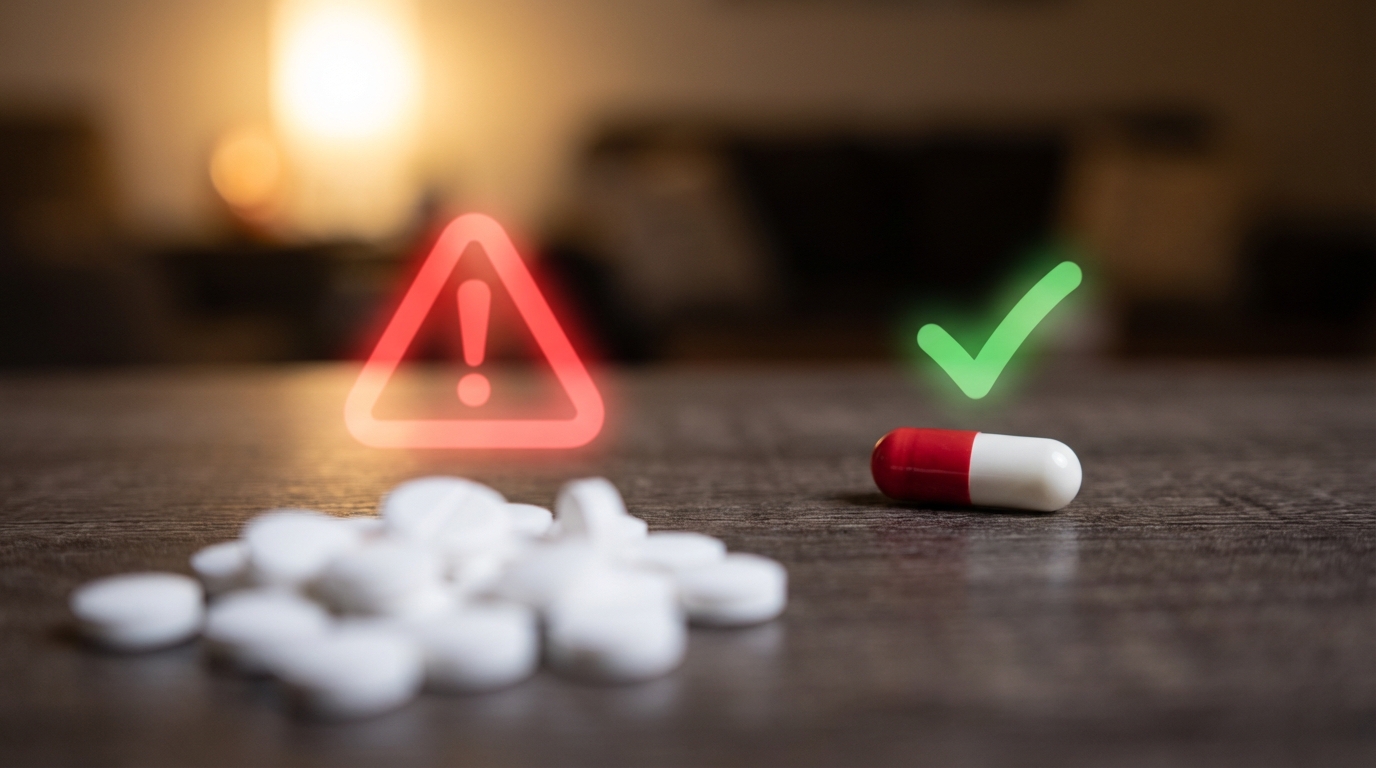
You must NEVER mix Meloxicam with Ibuprofen (Advil), Aleve (Naproxen), or Aspirin.
Overload Risk: Because these are all NSAIDs, taking them together is essentially taking a massive, dangerous dose of the same drug class.
Stomach Bleeding: Doubling up on NSAIDs exponentially increases your risk of severe gastrointestinal bleeding and ulcers.
Kidney Damage: Your kidneys can only process so much at once; overloading them can lead to acute renal failure.
If you are confused about which category an over-the-counter medicine falls into, always consult our safety guide on NSAIDs before swallowing a pill.
4. Dosage Limits and Safety Protocols
Even though this is an effective protocol for severe pain days, safe mixing still requires strict adherence to daily limits. Combining medications does not give you a free pass to ignore the warning labels on the bottle.
Most importantly, you must closely monitor your total acetaminophen intake. The absolute maximum daily limit for Tylenol is generally 4,000 mg for a healthy adult (and closer to 3,000 mg for older adults or those with liver concerns). Under no circumstances should you exceed daily limits of Tylenol, as doing so can lead to sudden, severe, and potentially irreversible liver damage. Always check the active ingredients of every cold, flu, and allergy medication you ingest to ensure you stay well within the safe dosage window.
The Final Verdict on Mixing Your Pain Meds
Managing chronic conditions shouldn’t mean suffering helplessly when breakthrough pain strikes. By understanding how your medications process in the body, you can confidently and safely navigate those difficult days. Remember the core rule: Tylenol and Meloxicam operate in two different highway lanes, making them an excellent team for comprehensive relief. Just be sure to strictly avoid taking other NSAIDs like Ibuprofen, Aleve, or Aspirin, and always respect the daily dosage caps to keep your internal organs healthy and fully protected.
Reference Post:
Meloxicam Usage: Essential Guide for Managing Chronic Joint Inflammation
Meloxicam Dosage Guidelines: Establishing a Safe and Consistent Daily Routine
Frequently Asked Questions About Meloxicam and Tylenol
Can I take Meloxicam and Tylenol at the exact same time?
Yes, because they are processed through entirely different physiological pathways, taking them at the exact same time is considered safe. However, many patients prefer to stagger them by a few hours to maintain a steady, continuous level of pain relief throughout the entire day.
How long does it take for this combination to work for breakthrough pain?
Tylenol typically begins working within 30 to 45 minutes to provide acute pain relief. Meloxicam is a slow-release medication that builds up in your system over several days. Because of this dynamic, the Tylenol will act as your rapid-response relief for things like sudden headaches, while the NSAID continues its steady background work on your joint inflammation.
Can I drink alcohol while taking both of these medications?
No. Both alcohol and Tylenol are processed heavily by the liver, and combining them significantly increases your risk of severe liver toxicity. Furthermore, mixing alcohol with Meloxicam heightens your risk of stomach ulcers and gastrointestinal bleeding. It is highly recommended to strictly avoid alcohol while managing your pain with these medications.
Disclaimer: The information provided in this article is for educational purposes only and does not substitute for professional medical advice, diagnosis, or treatment. Always seek the advice of your physician or other qualified health provider with any questions you may have regarding a medical condition, prescription medication interactions, or dosage limits.