The Athlete’s Dilemma: Can Prescription Anti-Inflammatories Like Meloxicam Sabotage Muscle Growth?
For dedicated gym-goers and athletes, an injury is more than just a physical setback; it is an existential threat to hard-earned progress. When a physician prescribes a heavy-hitting anti-inflammatory like Meloxicam for a severe joint issue, a common panic sets in: Will this medication destroy my gains?
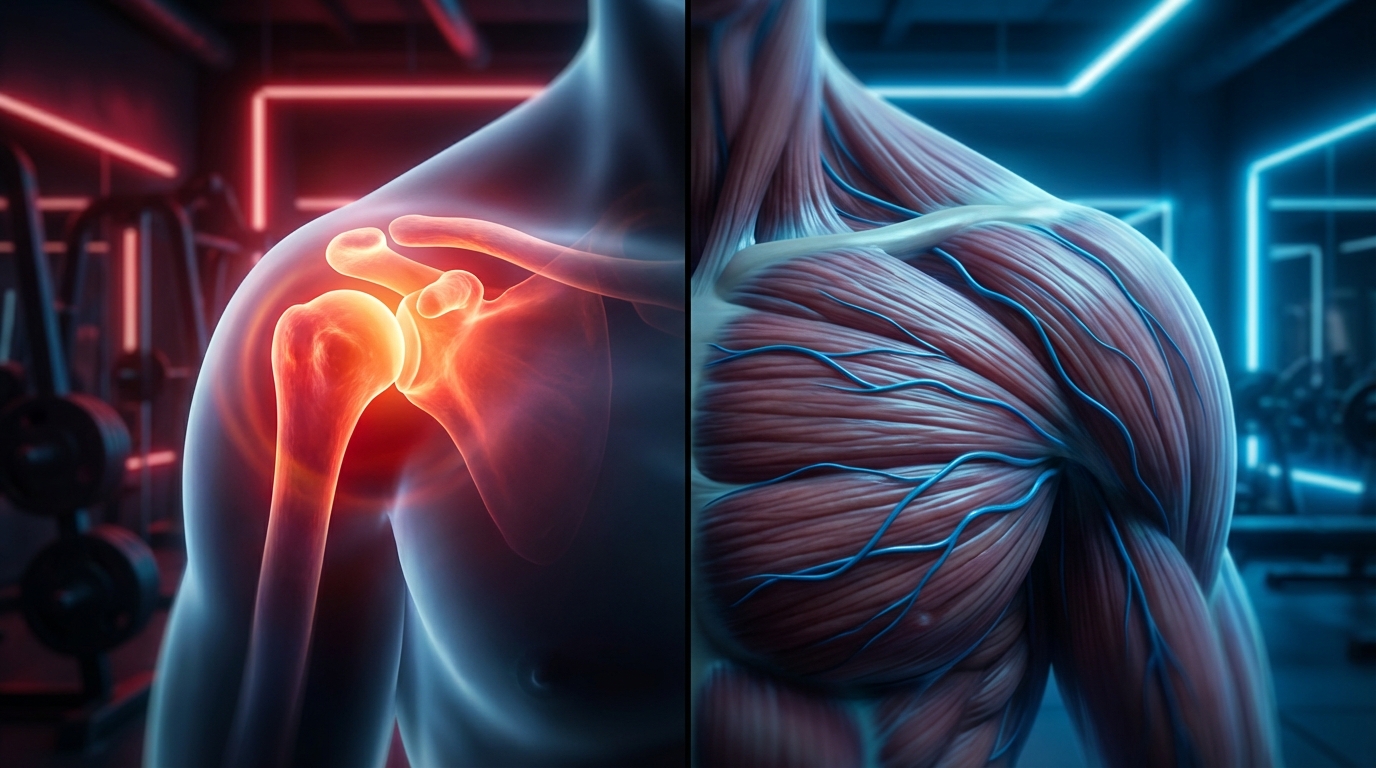
Understanding the relationship between NSAIDs and muscle growth requires examining the biological trade-off between healing injured joints and building new muscle tissue. To understand this dynamic, think of your body as a construction site. Pausing the Construction Site: Taking an NSAID is like putting out a fire on the job site; it effectively extinguishes the flames of your injury, but it also stops the workers from building new muscle floors.
In this comprehensive guide, we will dive into the scientific reality behind prescription anti-inflammatories, exploring how they blunt hypertrophic signaling, when they are absolutely necessary, and what you can realistically expect when balancing injury recovery with athletic performance.
The Biological Trade-Off: How Muscle Hypertrophy Works
To understand why a prescription drug might interfere with your physical progress, we first need to look at the mechanics of muscle hypertrophy. Building muscle is not a clean, peaceful process; it is inherently destructive.
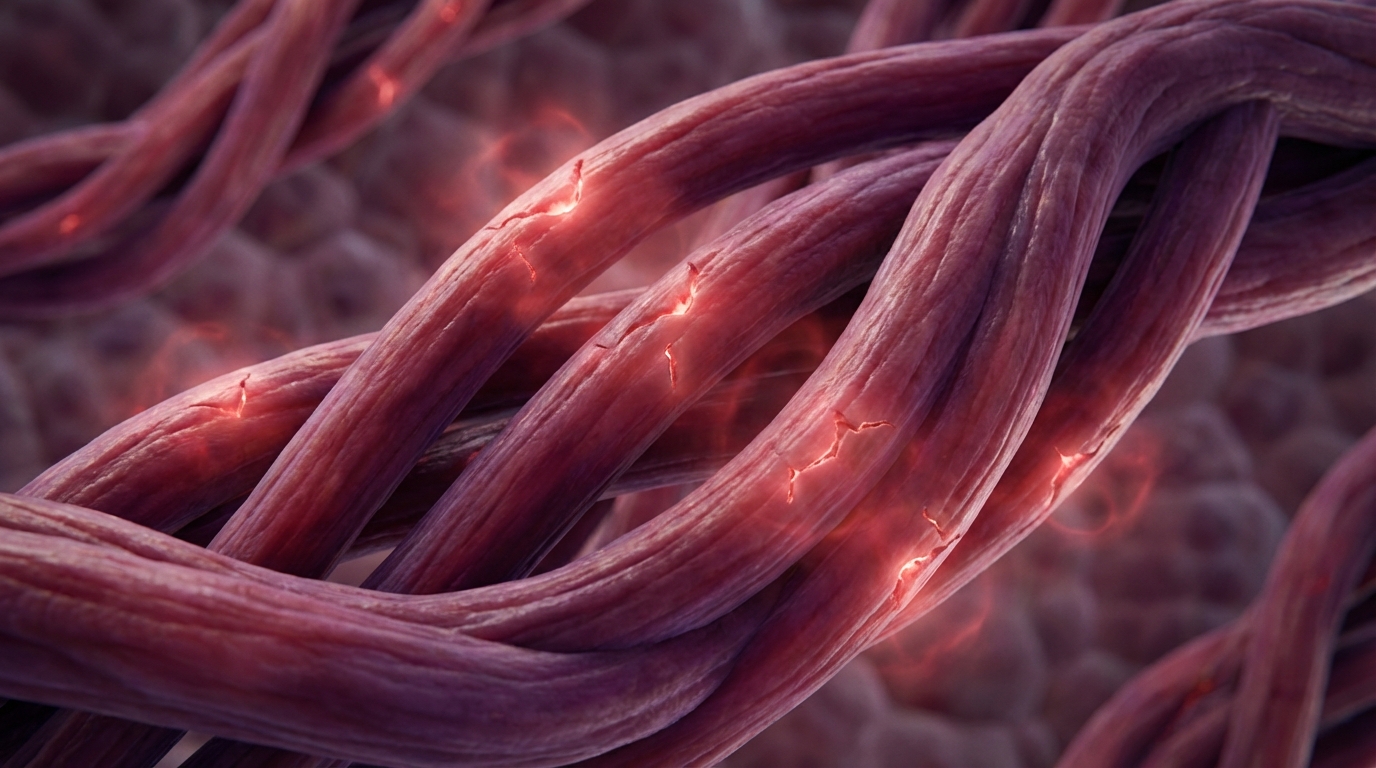
When you lift heavy weights, you induce micro-trauma in your muscle fibers. Your body responds to this trauma by triggering a localized inflammatory response. This acute inflammation is actually the catalyst for growth. Immune cells rush to the damaged area, clearing away cellular debris and signaling satellite cells to begin the repair process. Without this post-workout inflammation, the sequence of events required to build larger, stronger muscle fibers simply cannot begin.
By design, NSAIDs (Non-Steroidal Anti-Inflammatory Drugs) systematically blunt this exact inflammatory response, creating a clear biological conflict of interest for the recovering athlete.
The Prostaglandin Problem: Why NSAIDs Interfere
The mechanism behind this interference comes down to specific lipid compounds called prostaglandins. Prostaglandins act as biochemical messengers that promote inflammation, pain, and fever in response to injury. However, in the context of resistance training, these same messengers play a pivotal role.
The COX Enzyme Pathway: NSAIDs like Meloxicam work by inhibiting cyclooxygenase (COX) enzymes, which are responsible for producing prostaglandins.
Protein Synthesis Suppression: Because prostaglandins signal the muscle to ramp up protein synthesis, blocking them inherently blocks the signaling for building muscle.
The Blunting Effect: While your joint pain dissipates, the biological ‘start’ signal for your muscle fibers to rebuild and grow stronger is heavily muted.
Ultimately, a drug that effectively shuts down the COX pathway is highly efficient at reducing severe swelling, but it temporarily limits your muscle’s ability to adapt to training stimulus.
Meloxicam vs. Your Bench Press: Managing Expectations
So, what does this mean for your time under the bar? If you are prescribed a strong NSAID for an issue like acute tendinitis, you need to manage your expectations regarding your immediate strength and size goals.
The reality is a matter of priority: the medication will heal your tendinitis, but it might slightly slow down your bench press progress. You are trading a few weeks of optimal muscle gain for the long-term structural integrity of your joints. Attempting to push for one-rep maxes while actively suppressing your body’s recovery signaling is a recipe for stagnation.
During a prescription course of anti-inflammatories, the goal shifts from progression to maintenance and healing.

The Crucial Rule: Acute Injuries vs. Daily Recovery
Because the connection between NSAIDs and muscle growth is antagonistic, athletes must adhere to a crucial rule: Prescription anti-inflammatories should only be used for severe, acute injuries, never as a daily workout recovery tool.
There is a dangerous trend within bodybuilding and recreational fitness where individuals use over-the-counter or leftover prescription NSAIDs to combat standard delayed onset muscle soreness (DOMS). This is entirely counterproductive. Masking the pain of a hard leg day with ibuprofen or meloxicam is directly sabotaging the hypertrophic adaptation you just worked so hard to trigger. Save the medication for actual diagnosed pathologies, such as bursitis, severe strains, or clinical tendinopathies.
Finding the Balance: Healing Without Sacrificing All Gains
Navigating a sports injury requires an analytical, patient approach. While we cannot provide athletic coaching advice or specific programming modifications, the biological consensus is clear: respect the healing phase.
If a medical professional prescribes an NSAID to resolve a severe inflammatory condition, take the medication as directed to put out the structural ‘fire’. Accept that systemic muscle growth may be temporarily blunted. Focus on strict form, lighter loads if cleared for movement, and adequate nutrition to preserve the muscle you already have. Once the medication course is finished and the injury is healed, your body’s prostaglandin pathways will normalize, allowing you to return to the construction site and start building new muscle floors once again.

Conclusion
The intersection of NSAIDs and muscle growth presents a frustrating but manageable dilemma for athletes. While prescription medications like Meloxicam do temporarily halt the ‘construction workers’ responsible for building new muscle tissue by blocking vital protein synthesis signaling, they are sometimes highly necessary to extinguish the ‘fire’ of a severe sports injury. By understanding this biological trade-off, you can prioritize your long-term joint health over short-term gym progression. Remember that pausing your physical peak to properly heal a diagnosed injury ensures you will have a resilient foundation to build upon for years to come.
Reference Post:
Meloxicam Usage: Essential Guide for Managing Chronic Joint Inflammation
Meloxicam Uses: How Doctors Manage Chronic Arthritis Through Daily Treatment
Frequently Asked Questions
Do NSAIDs completely ruin muscle growth?
No, they do not completely halt muscle growth, but they significantly blunt the process. By inhibiting the post-workout inflammation required for optimal protein synthesis, NSAIDs reduce your body’s ability to efficiently repair and grow muscle fibers after a workout.
Can I take Meloxicam or Ibuprofen for post-workout soreness?
It is highly discouraged to use any NSAIDs to treat standard delayed onset muscle soreness (DOMS). Using them as a daily recovery tool suppresses the natural adaptation process of muscle hypertrophy. They should be reserved strictly for acute, severe injuries.
How long after taking NSAIDs can I build muscle normally again?
Once you finish your prescribed course of NSAIDs, the drug will clear your system based on its half-life (which is roughly 15-20 hours for Meloxicam). Within a few days of stopping the medication, your body’s normal inflammatory response and protein synthesis signaling pathways will return to their baseline function.
Disclaimer: The content provided in this article is for educational and informational purposes only and does not constitute medical advice, nor does it establish a doctor-patient relationship. Always consult with a qualified healthcare provider or physician before starting, stopping, or altering any prescribed medication regimen, or before engaging in physical activity while recovering from an injury.