
Stomach Issues on Meloxicam? 5 Proven Ways to Protect Your Gut While Fighting Joint Pain
When you are prescribed a strong medication to help ease severe joint pain, the last thing you want to do is trade one discomfort for another. Yet, if you are experiencing nausea, heartburn, or a heavy ache in your gut, you are certainly not alone. In fact, GI distress is the #1 reason patients quit taking Meloxicam.
It is incredibly frustrating to find a medication that finally helps your joints, only to have your stomach reject it. But before you throw your prescription away, think of your stomach lining like your bare hand, and the medication as a piping hot cup of coffee. If you grab the hot cup directly, it burns. But what if you use a Cardboard Sleeve? Food and water act as the sleeve protecting your hand from a hot coffee cup.
By building that protective barrier, you can safely get the joint relief you desperately need without the uncomfortable burn. If you are battling meloxicam stomach pain right now, don’t give up. Here are 5 proven, practical harm-reduction tactics to soothe your stomach while staying on your treatment plan.
1. The 8-Ounce Water Rule
Many of us are guilty of taking a pill with just a tiny sip of water—or worse, swallowing it dry. When it comes to strong NSAIDs (nonsteroidal anti-inflammatory drugs), this is a recipe for severe gastric distress.
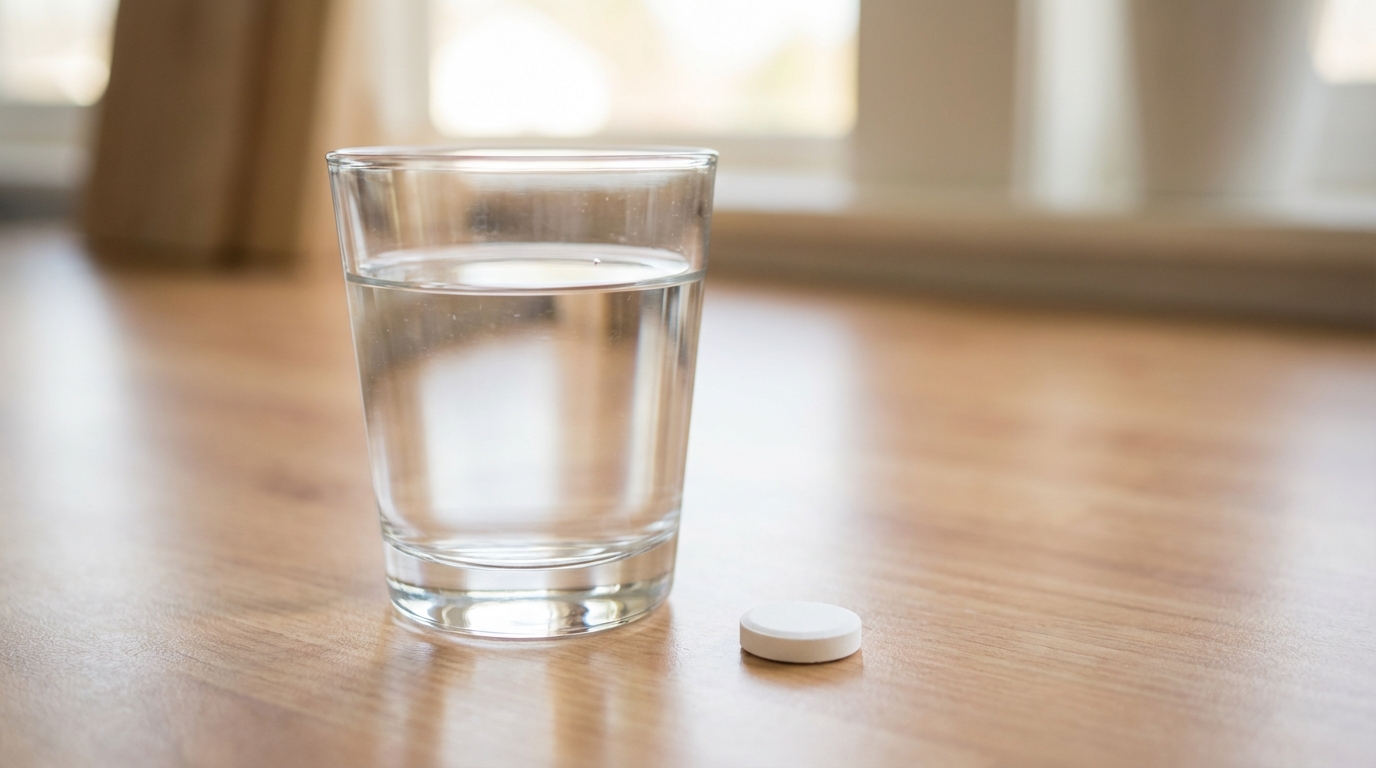
Drinking a full 8oz glass of water with the pill reduces localized irritation. Here is why: when a pill sits directly against the delicate lining of your stomach, it begins to dissolve in concentrated amounts, causing acute irritation in one specific spot. A full glass of water not only helps wash the pill down into the stomach faster, but it also dilutes the medication as it dissolves, spreading it out so it doesn’t burn a single localized area of your gut lining.
- Always keep a full glass of water on your nightstand or kitchen counter alongside your pill bottle.
- Drink half the glass before you take the pill, and the other half immediately after.
2. Never Mix With Coffee on an Empty Stomach
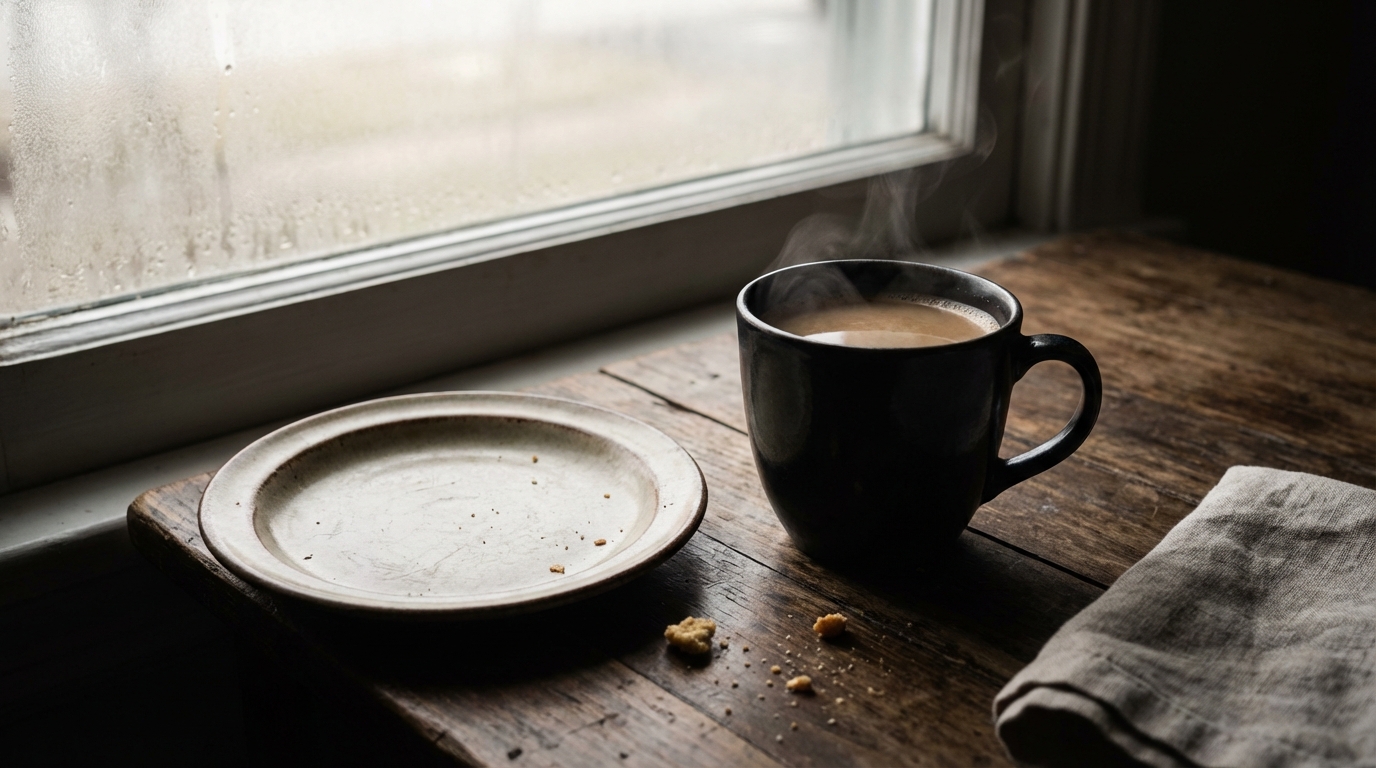
Mornings can be rushed, and it is tempting to toss your pill back with your morning brew. However, there is a crucial rule you must follow: never take it with coffee on an empty stomach.
Coffee is highly acidic and naturally stimulates your stomach to produce even more gastric acid. When you combine the highly acidic environment created by coffee with a harsh NSAID on a completely empty stomach, you are creating the perfect storm for intense acid reflux and sharp stomach pains. This combination strips away your stomach’s natural defensive mucus layer almost instantly.
If you absolutely must have your morning coffee, ensure you have eaten a solid breakfast first, and separate your medication and your coffee consumption by at least an hour.
3. Partner with a PPI for Maximum GI Protection
If behavioral changes like drinking more water and adjusting your coffee habits aren’t quite enough, medical science has an effective backup plan. Doctors can prescribe PPIs (like Omeprazole) to protect the stomach.
Proton Pump Inhibitors (PPIs) work by turning off some of the tiny acid-producing pumps in your stomach lining. By drastically lowering the overall acid levels in your gut, your stomach can better tolerate the medication without developing severe nausea or burning. If you are experiencing daily discomfort, speak to your prescribing physician about adding a PPI. Proper GI protection is vital to long-term joint care.
Important Note: Do not advise yourself to take over-the-counter antacids (like Tums or Maalox) at the exact same time as your NSAID without checking interactions. Antacids can alter how your body absorbs your joint medication. Always consult your pharmacist for the correct timing, or look into specialized clinical resources for guidance.
4. Time Your Meals to Build Your “Cardboard Sleeve”
Remember the Cardboard Sleeve metaphor? Food is the thickest, most effective sleeve you can build for your stomach. Taking this medication with a substantial meal is non-negotiable for anyone suffering from GI issues.
Food acts as a physical buffer between the dissolving pill and your stomach lining. It also triggers your digestive system to process contents efficiently rather than letting a harsh pill sit stagnant. Failing to buffer your medication with food long-term significantly increases your risk of developing severe NSAID ulcers.
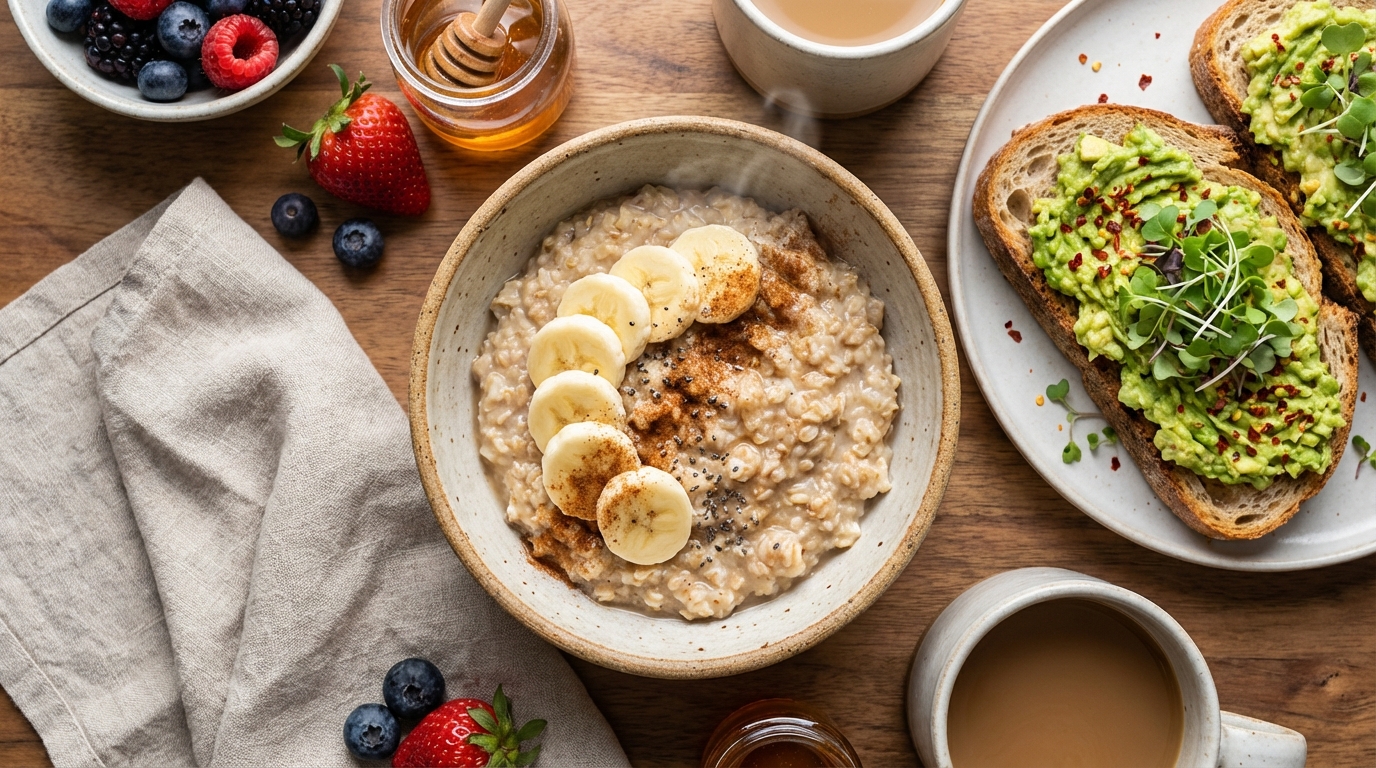
- Best Foods to Eat: Oatmeal, bananas, yogurt, or a piece of whole-grain toast with avocado. These foods are gentle, coat the stomach, and aren’t overly acidic.
- Foods to Avoid: Citrus fruits, spicy foods, or heavily fried breakfasts while taking your dose.
5. Know When to Involve Your Doctor
While mild nausea or occasional heartburn can often be managed with the steps above, you should never ignore severe pain. Your gut health is just as important as your joint mobility.
If you experience sharp, stabbing stomach pains, vomit that looks like coffee grounds, or black, tarry stools, these are medical red flags indicating a potential bleed. Stop taking the medication immediately and contact your healthcare provider. They can switch you to a different class of medication or a topical anti-inflammatory that bypasses the GI tract entirely. For a deeper understanding of these risks, you can read our complete guide to drug safety and alternatives.
Finding the Balance Between Joint Relief and Gut Health
Managing chronic joint pain is exhausting enough; you shouldn’t have to fight a daily battle with your stomach, too. By utilizing the “Cardboard Sleeve” method—drinking a full 8 ounces of water, eating a substantial meal, avoiding coffee on an empty stomach, and potentially speaking to your doctor about an omeprazole prescription—you can drastically reduce meloxicam stomach pain. Prioritize your gut health today, so you can keep moving forward comfortably tomorrow.
Frequently Asked Questions About Meloxicam Stomach Pain
How long does meloxicam stomach pain usually last?
If the pain is caused by mild, localized irritation, it often subsides within a few hours after the medication leaves the stomach, especially if you eat food or drink water. However, if you have developed gastritis or an ulcer, the pain may persist. Always consult a doctor if the pain lasts more than a few days.
Can I take omeprazole and meloxicam together?
Yes, many doctors specifically prescribe omeprazole alongside NSAIDs to provide crucial GI protection. However, you should follow your doctor’s exact instructions regarding the timing of each pill to ensure maximum absorption and safety.
Why does it cause stomach pain in the first place?
NSAIDs reduce inflammation by blocking specific enzymes in your body. Unfortunately, these same enzymes are responsible for producing the protective mucosal lining in your stomach. When that lining thins out, your stomach’s natural acids—combined with the pill itself—can cause burning, irritation, and acid reflux.
Disclaimer: The information provided in this article is for educational purposes only and is not intended as substitute for professional medical advice, diagnosis, or treatment. Always seek the advice of your physician or other qualified health provider with any questions you may have regarding a medical condition or medication interactions.

One thought on “Meloxicam Stomach Pain: 5 Proven Strategies to Protect Your Gut Health”