Wait, My Dog Takes This Too? The Fascinating Differences Between Human and Canine Meloxicam
You come home from the vet, examine the prescription bottle for your limping Golden Retriever, and freeze. The label reads meloxicam. If you suffer from osteoarthritis or rheumatoid arthritis, you might have the exact same medication sitting in your own bathroom cabinet. This begs the question: are you and your furry best friend taking the exact same drug?
Understanding meloxicam for dogs vs humans requires grasping a universal rule of cross-species biology. Think of the classic Human Chocolate vs Dog Treats scenario: just because humans can safely devour a decadent dark chocolate bar doesn’t mean it won’t severely poison a dog. The exact same logic applies to your medicine cabinet.
While the active ingredient shares a name, the way it is formulated, dosed, and processed inside your dog’s body is wildly different. Let’s dive into the fascinating—and potentially life-saving—differences between human and canine meloxicam.
1. The Shared Name: Meloxicam and the Metacam Connection
To understand the overlap, we first have to look at what this medication actually is. Meloxicam is a non-steroidal anti-inflammatory drug (NSAID) designed to reduce pain, swelling, and stiffness in the joints. In the human world, it is often prescribed as a generic pill or under brand names like Mobic.
However, meloxicam is also widely used in veterinary medicine under the highly recognized brand name Metacam. When a dog is recovering from orthopedic surgery or suffering from age-related canine osteoarthritis, veterinarians frequently turn to Metacam to help them regain mobility. While the root molecule is the same, the veterinary version has been heavily modified to suit canine biology.
2. The Biology Clash: How Metabolism Differs
Why can’t a dog just take a human pill? The answer lies deep within their liver and kidneys. Dogs metabolize NSAIDs entirely differently than humans do. Their digestive tracts absorb medications at different rates, and their liver enzymes break down chemicals through completely different pathways.
When a human takes an NSAID, our bodies process it slowly and safely over 24 hours. When a dog ingests that same human-grade formulation, their system cannot process the drug efficiently. The medication builds up rapidly in their bloodstream, turning what is supposed to be a healing anti-inflammatory into a dangerous toxin.
3. Micro-Drops vs. Mega-Pills: The Science of Dosing
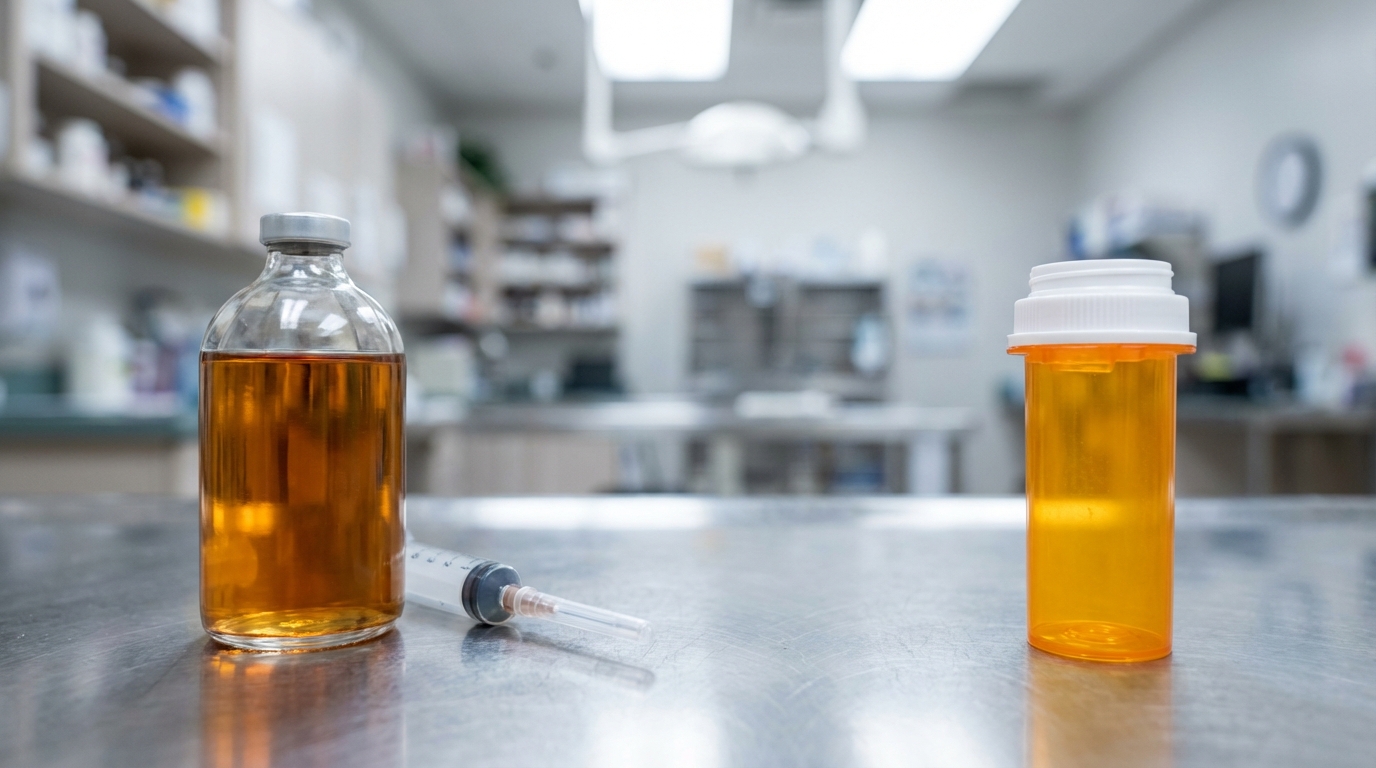
One of the most profound differences between meloxicam for dogs vs humans is how it is administered. Because dogs are incredibly sensitive to NSAIDs, veterinary liquid dog doses are micro-calibrated. Using a specialized syringe, a veterinarian prescribes exact drops based precisely on a dog’s weight, age, and health status.
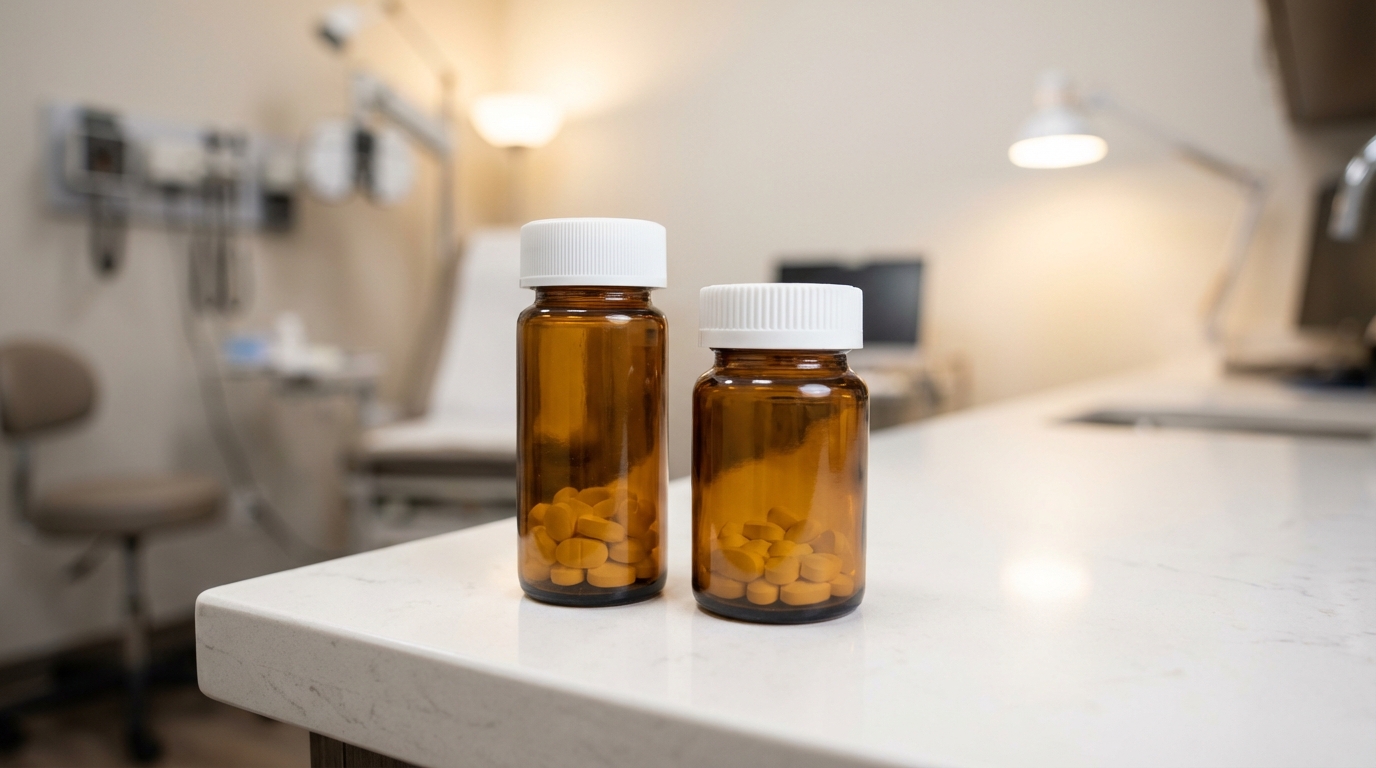
In stark contrast, human pills are engineered as dense, massive doses meant for a 150-pound adult human with a highly tolerant digestive tract. If a dog consumes a human meloxicam pill, they aren’t just getting the wrong formulation—they are receiving a massive overdose. These mega-pills will quickly destroy their kidneys and severely damage their gastrointestinal tract.
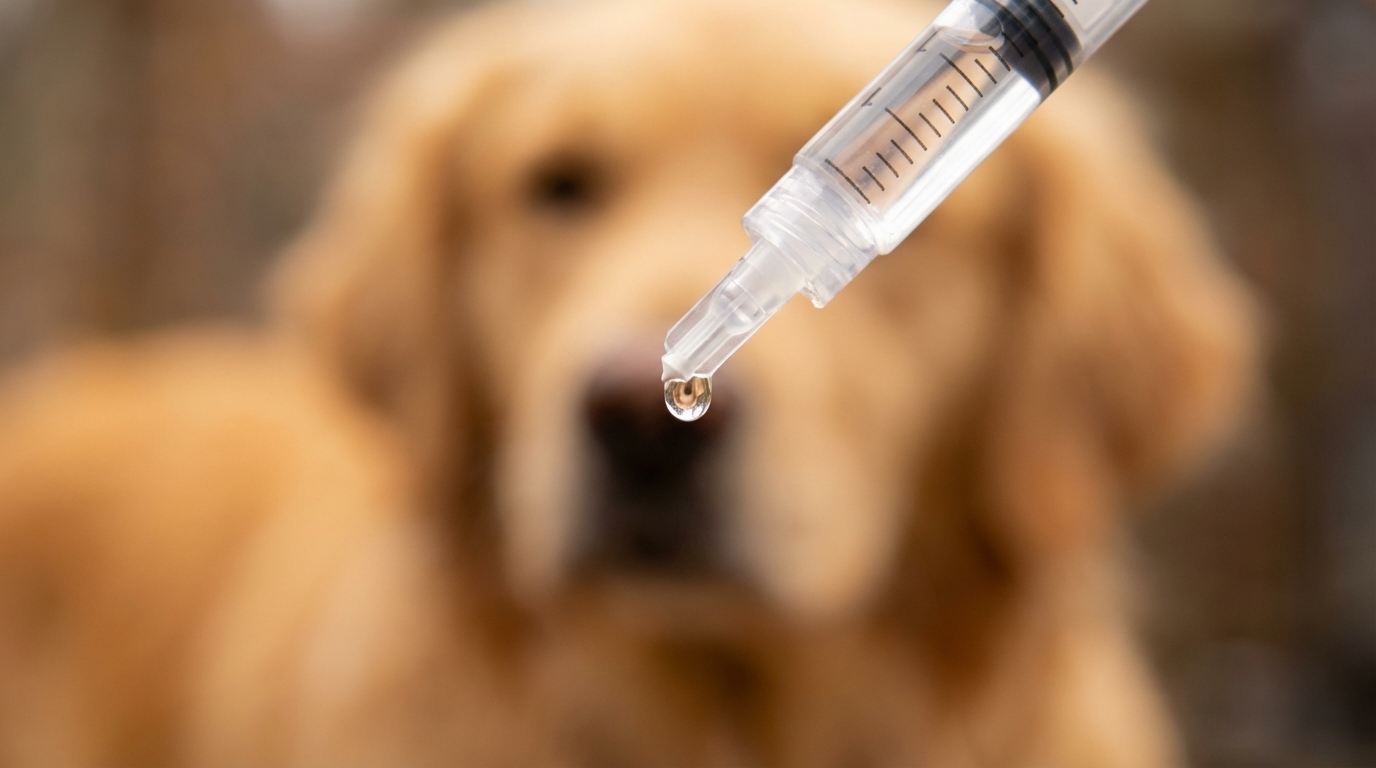
4. The Golden Rule: Never Mix Them Up
This brings us to the most critical takeaway of this entire comparison. You must NEVER give human Meloxicam to a dog; it is highly toxic and fatal.
Kidney Failure: Human NSAIDs can cause acute, irreversible renal failure in canines.
Stomach Ulcers: The harsh formulation can quickly burn through a dog’s stomach lining, causing internal bleeding.
Neurological Issues: Severe toxicity can lead to seizures, lethargy, and coma.
If your dog accidentally ingests your prescription, do not wait to see if they show symptoms. Treat it as an immediate medical emergency and contact your local veterinary hospital or an emergency pet poison hotline right away.
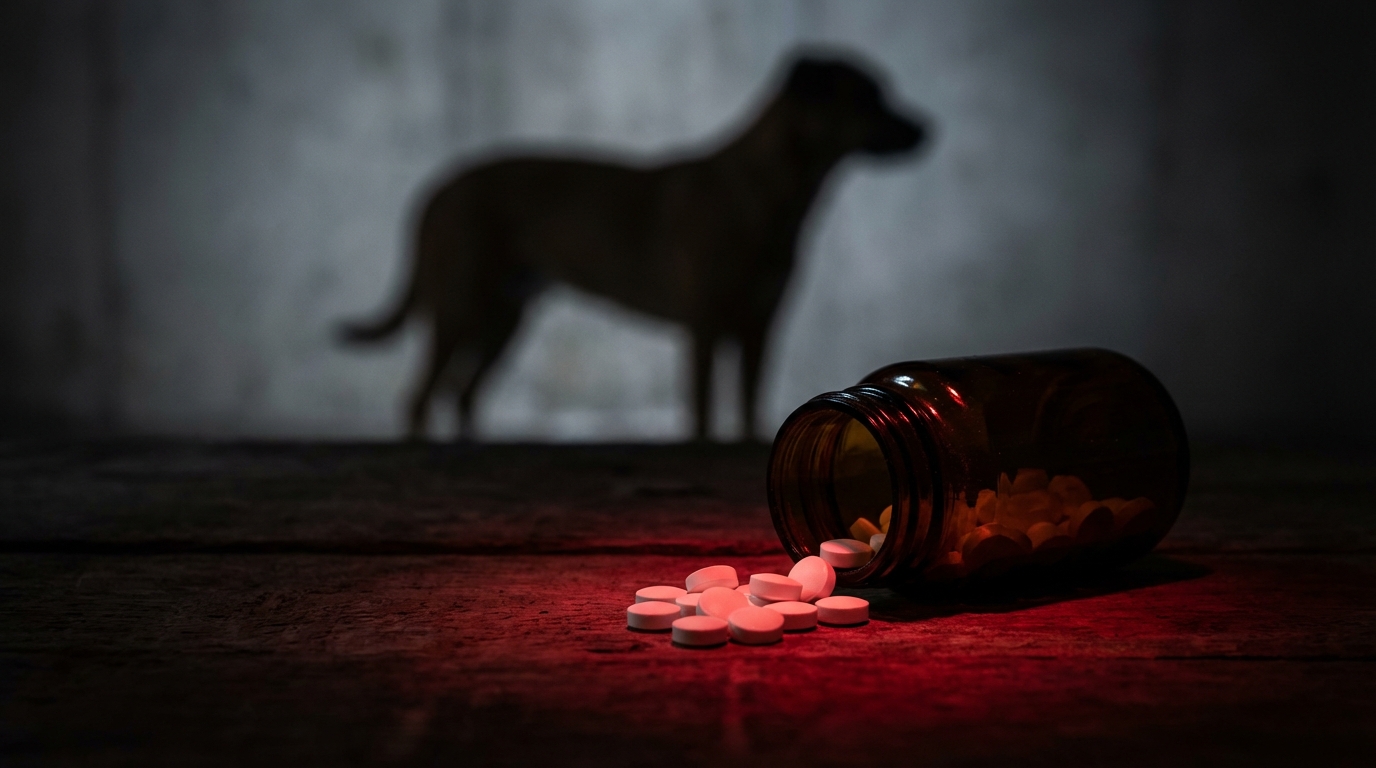
5. Best Practices for Ultimate Pet Safety
Practicing excellent pet safety means treating every human pill bottle like a biohazard to your furry friend. Keep all human medications locked in a high cabinet, completely separated from your pet’s medical supplies. Mixing them up in the dark or during a rushed morning is a surprisingly common, yet easily avoidable, tragedy.
For deeper insights into the evolution of cross-species treatments, see Meloxicam Dosage Guidelines: Establishing a Safe and Consistent Daily Routine. Furthermore, practicing strict Meloxicam Usage: Essential Guide for Managing Chronic Joint Inflammation at home ensures that your dog only ever receives the precise, micro-calibrated Metacam designed exclusively for them.
Conclusion
Discovering that you and your dog share a prescription name is a fascinating bit of medical trivia, but it comes with strict, unbending boundaries. The world of meloxicam for dogs vs humans is a perfect example of how complex biology truly is. While Metacam works wonders for a limping pup, your human prescription is a dangerous toxin to them. Always prioritize pet safety, keep your medicine cabinets clearly separated, and leave the complex dosing to your trusted veterinarian.
Frequently Asked Questions
Can I give my dog a tiny piece of my human meloxicam pill?
Absolutely not. Human pills are highly concentrated and lack the micro-calibration required for dogs. Even a microscopic fragment can cause fatal kidney failure and severe internal bleeding. Never attempt to guess a dog’s dose using human medication.
Why did my vet prescribe Metacam if NSAIDs are dangerous to dogs?
NSAIDs are only dangerous to dogs when they are the wrong formulation or the wrong dose. Metacam is a specifically engineered veterinary medicine that has been rigorously tested and formulated to be safely metabolized by a dog’s liver and kidneys when administered exactly as directed by a vet.
What should I do if my dog eats my meloxicam?
Treat it as a life-threatening emergency. Immediately call your veterinarian, a 24-hour animal hospital, or an emergency pet poison control hotline. Bring the pill bottle with you so the veterinary team knows exactly what dosage your dog ingested.
Disclaimer: This article is for educational and informational purposes only and does not constitute veterinary dosing advice. NEVER give human medication to a dog. Always keep all prescription drugs safely secured and away from pets. Consult your licensed veterinarian for any medical concerns, diagnoses, or treatment plans regarding your animal.