Traveling with Chronic Pain: How to Manage Your Meloxicam Prescription Across Time Zones
Are you dreading an upcoming flight because you are worried about managing your joint pain across the globe? You are certainly not alone. For chronic pain sufferers, traveling with prescription meds can often feel more stressful than planning the actual itinerary. From confusing airport security guidelines to the looming fear of a flare-up mid-flight, the anxiety is completely valid.
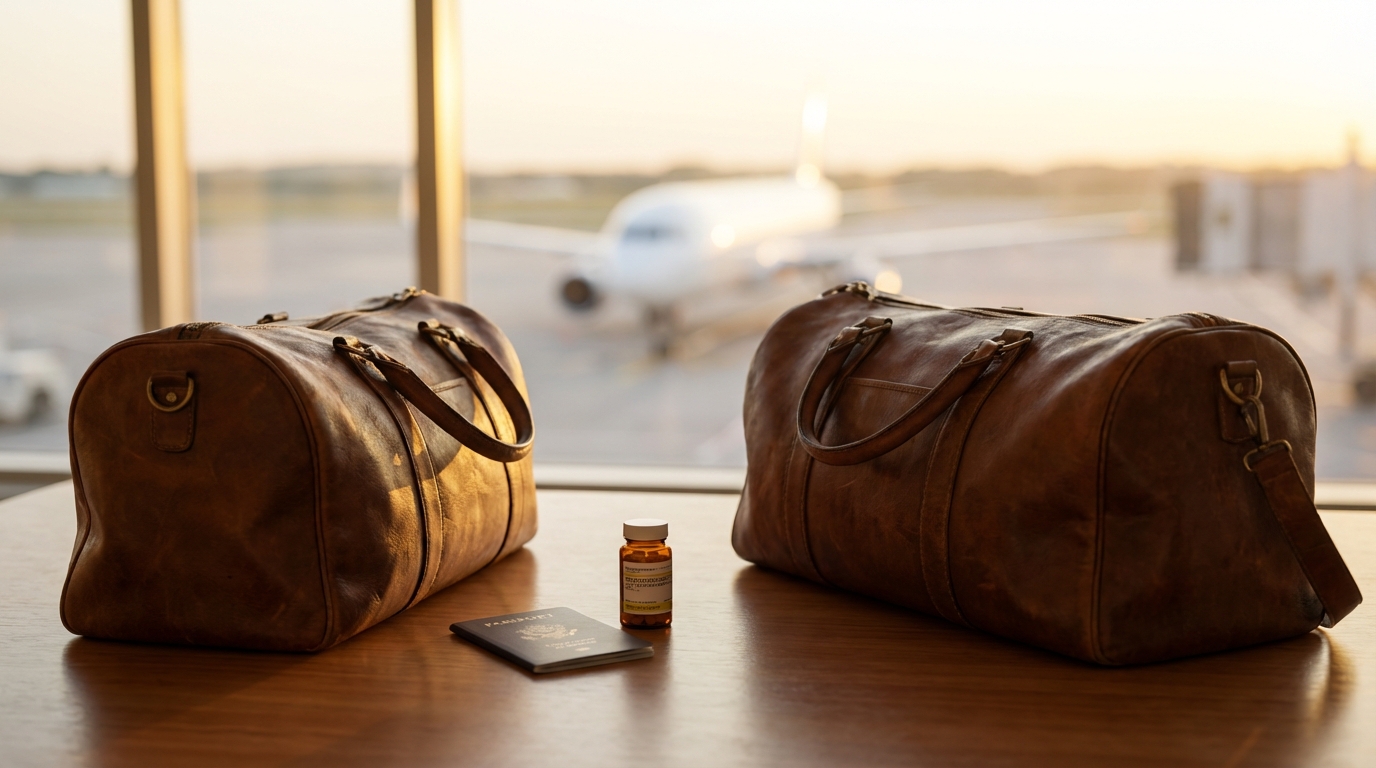
But before you start packing your bags, there is one non-negotiable principle you must memorize: The Passport Rule. Treat the original pill bottle like a passport—never pack it in the cargo hold.
By mastering a few simple lifestyle adjustments and understanding how your medication works in your body, you can maintain stable blood levels of your meloxicam while remaining perfectly compliant with global travel authorities. Let us dive into the ultimate guide to traveling with chronic pain.
Packing 101: Navigating TSA Medication Rules
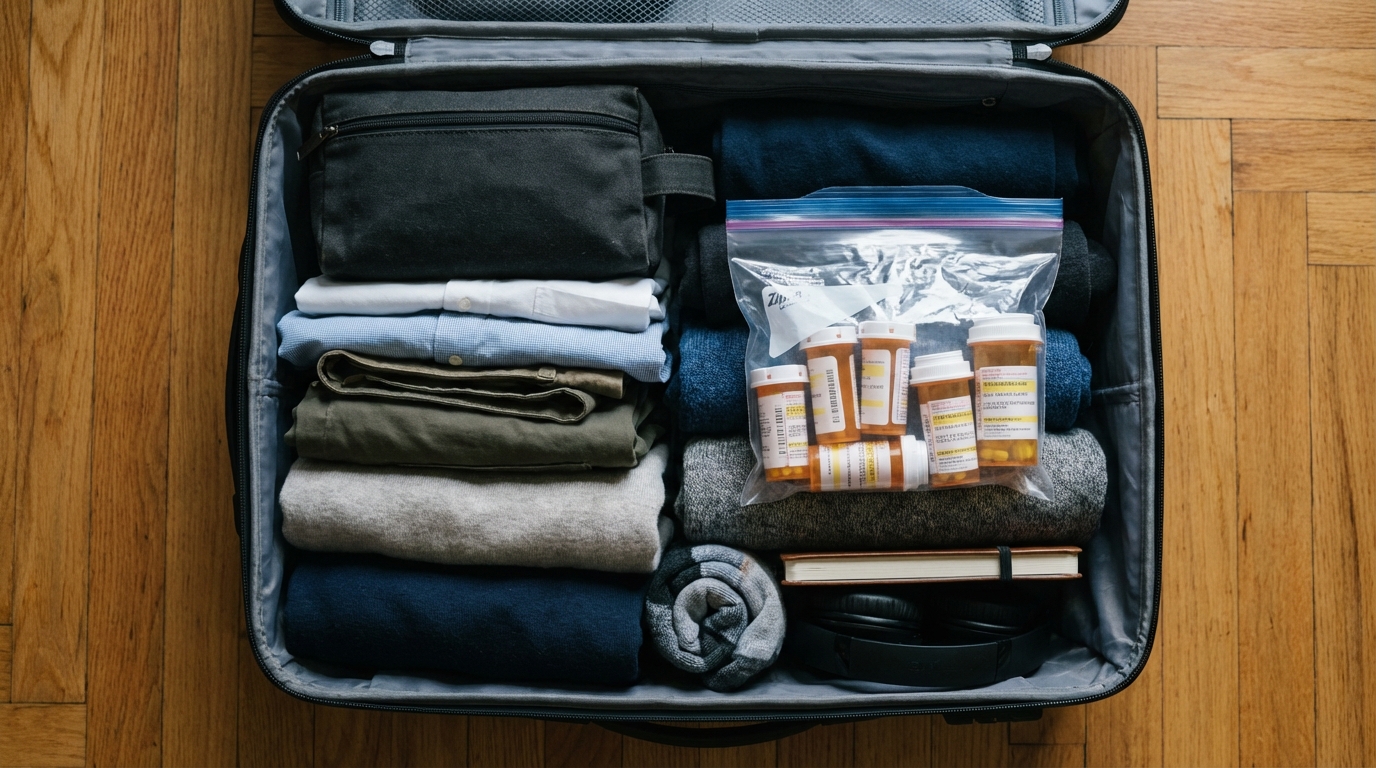
When it comes to airport security, preparation is your best defense against confiscation or frustrating delays. The golden rule for flying with your chronic pain management is simple: keep it in your carry-on; never check essential daily medications. If your checked luggage is lost, delayed, or rerouted, you do not want to be stranded in a foreign country without your meloxicam.
Keep it Original: Your medication must be kept in its original prescription bottle for TSA/Customs. This proves the medication legally belongs to you and clearly displays the prescribing doctor’s information.
Leave the Pill Organizers for the Hotel: While Monday-through-Sunday organizers are great for your nightstand, they lack the labeling required by border agents. Pack the empty organizer in your luggage and fill it once you reach your destination.
By understanding basic TSA medication rules, you can breeze through the security checkpoint with absolute confidence.
Mastering Time Zone Dosing for Long-Acting Relief
One of the biggest anxieties international travelers face is figuring out how to adjust their medication schedule when flying across the world. The good news? Meloxicam’s long-acting nature makes time zone shifts easier to manage than fast-acting pills.
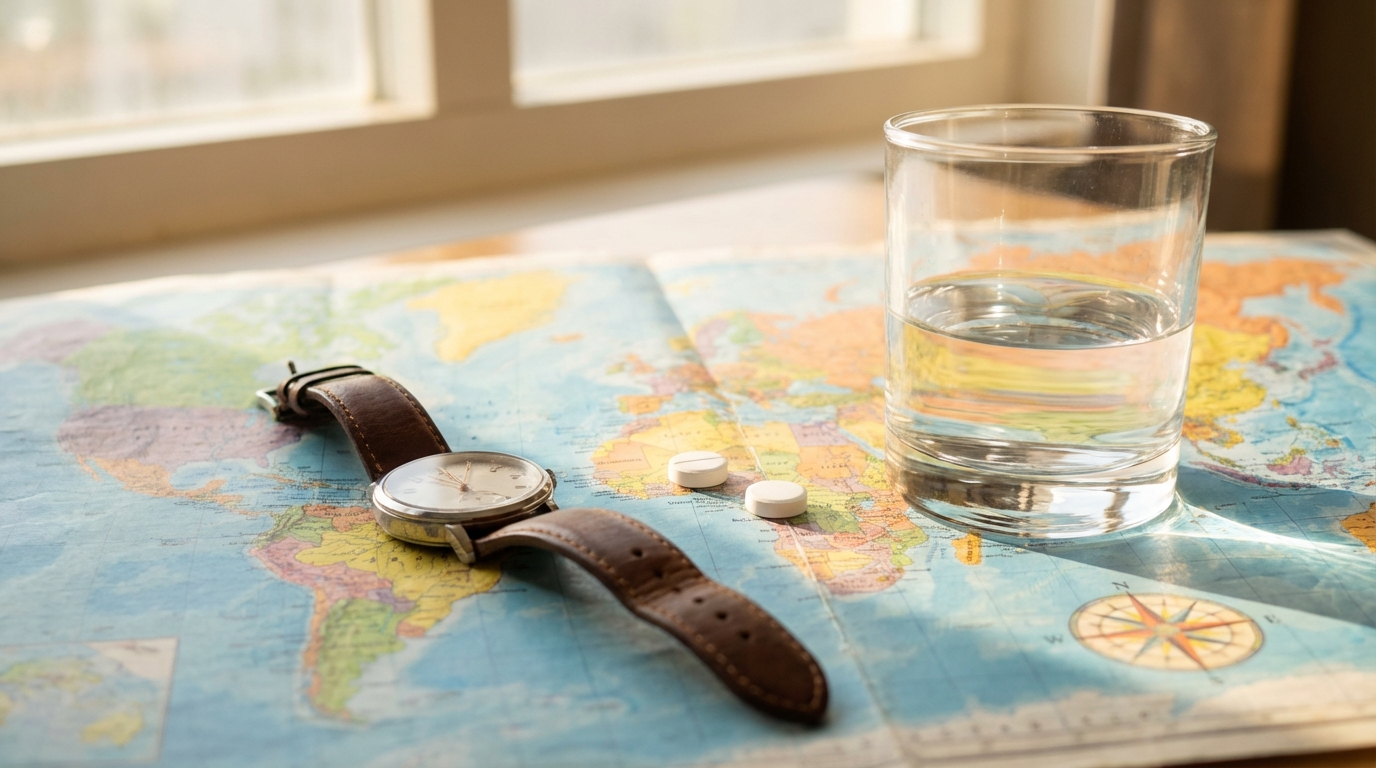
Unlike short-acting painkillers that require strict dosing every four to six hours to prevent an immediate pain crash, meloxicam builds a cumulative anti-inflammatory effect in your system over time. Because of this forgiving half-life, taking it 4 hours early or 4 hours late during travel won’t ruin the cumulative effect.
When mastering time zone dosing, simply try to take your pill at a time that aligns closely with your new morning or evening routine at your destination. You do not need to wake up at 3:00 AM in Paris just because it is 9:00 PM back in New York. Shift your schedule gradually and enjoy your trip.
Understanding International Customs for Prescription Meds
While TSA handles your exit, local customs agents handle your entry into a new country. Every single country has its own specific list of restricted and controlled substances. Because international regulations change constantly, we cannot guarantee international customs rules for any specific destination.
Before you fly, it is highly recommended to check the official embassy website of the country you are visiting. Some nations strictly require a formal letter from your prescribing physician detailing your diagnosis and the absolute necessity of your medication, even for standard non-steroidal anti-inflammatory drugs (NSAIDs) like meloxicam. Always err on the side of caution and over-prepare your travel documentation.
Essential Travel Hacks for Preventing Pain Flare-Ups
Taking your medication on time is only one part of the equation when flying with chronic joint pain. Implementing practical travel hacks can make the difference between a miserable, stiff flight and arriving refreshed and ready to explore.
Hydrate Obsessively: Airplane cabins are notoriously dry, and dehydration can significantly exacerbate joint stiffness. Drink water constantly before and during the flight.
Keep Moving: Do seated ankle rolls and walk the airplane aisle every hour to keep your blood flowing and joints loose.
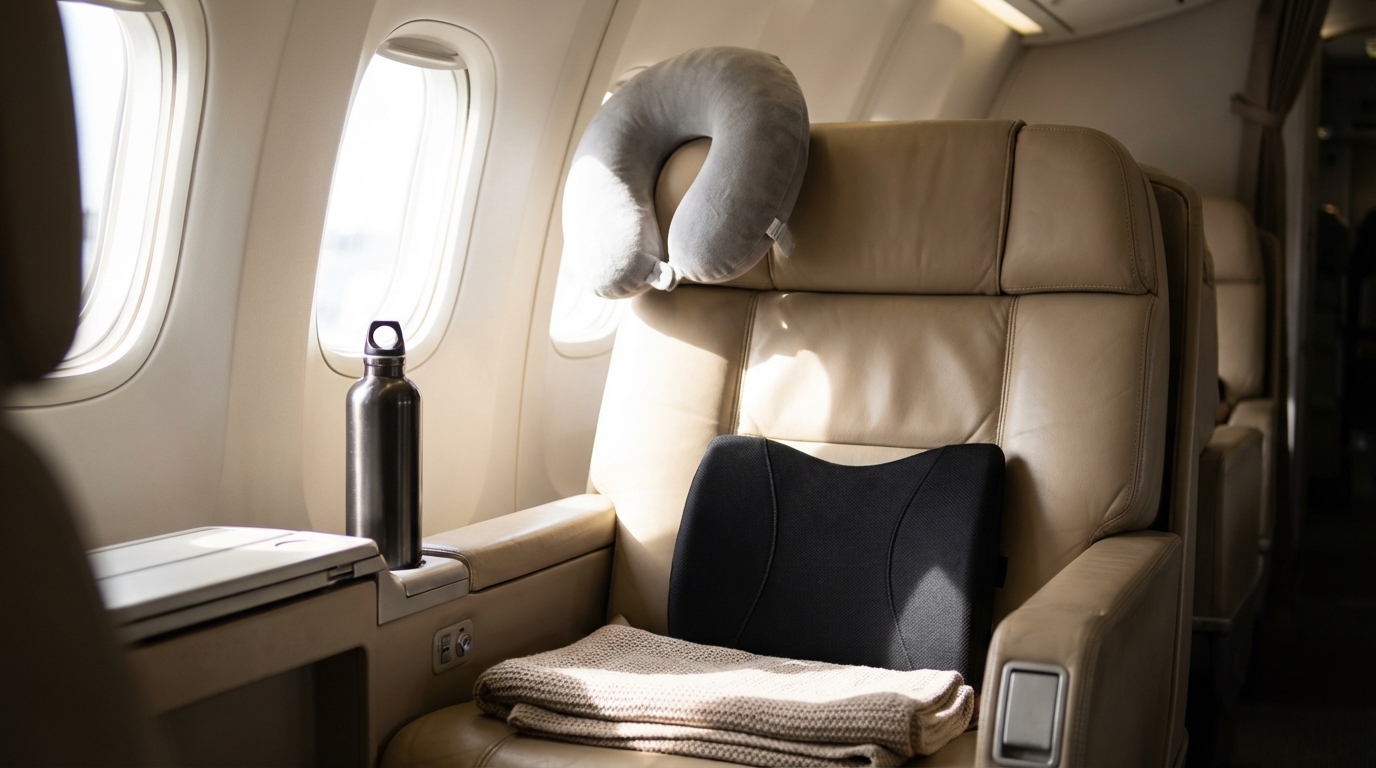
Pack Supportive Gear: Bring a high-quality neck pillow and a small lumbar support cushion to compensate for those rigid, uncomfortable airplane seats.
For more comprehensive tips on managing your specific health conditions while exploring the world, check out our detailed guide on Meloxicam Usage: Essential Guide for Managing Chronic Joint Inflammation. Additionally, make sure you have a solid backup plan for medication refills abroad by reviewing Meloxicam Dosage Guidelines: Establishing a Safe and Consistent Daily Routine prior to your departure date.
What to Do if You Lose Your Meloxicam Abroad
Even with meticulous planning, travel accidents happen. Luggage gets stolen, bags are left in taxis, and pill bottles go missing. If you lose your medication, having a digital copy of your prescription and your primary doctor’s contact information saved on your smartphone can be a lifesaver.
If you find yourself without your meloxicam, visit a local pharmacy or an urgent care clinic at your destination to see if a temporary, localized prescription can be written by a local physician. Many popular travel destinations feature tourist-friendly, English-speaking medical centers specifically for assisting travelers in this exact scenario.
Conclusion
Traveling with chronic pain doesn’t have to dictate your itinerary or dampen your spirit of adventure. By faithfully packing your medication in your carry-on, keeping everything properly labeled in the original bottle, and utilizing smart time zone adjustments, you can stay pain-free and legally compliant no matter where you fly. Pack your bags, remember The Passport Rule, and enjoy your journey with total peace of mind!
Frequently Asked Questions
Do I have to take my prescription pills out of my bag at TSA?
Generally, no. TSA does not explicitly require you to remove pill bottles from your carry-on luggage during the standard X-ray screening unless your bag is flagged for an additional manual search. However, keeping them easily accessible in a clear bag can speed up the process if an agent asks to inspect them.
Can I mix different pills into one daily organizer for my flight?
While a daily pill organizer is fantastic for your hotel room routine, it is not recommended for air travel. For the actual flight and border crossings, medication must be kept in its original prescription bottle for TSA/Customs. You can safely pack empty organizers in your luggage to use once you arrive.
Will a 5-hour time difference mess up my meloxicam effectiveness?
No, you do not need to worry. Taking it 4 hours early or 4 hours late during travel won’t ruin the cumulative effect due to the medication’s long-acting half-life in your body. Just smoothly and gradually transition your dosage to match your new local time zone.
Disclaimer: The information provided in this article is for educational purposes only and is not intended as substitute for professional medical or legal advice. Always consult with your healthcare provider regarding specific medication schedules and verify with local embassies for the most up-to-date international travel and customs regulations prior to departure.