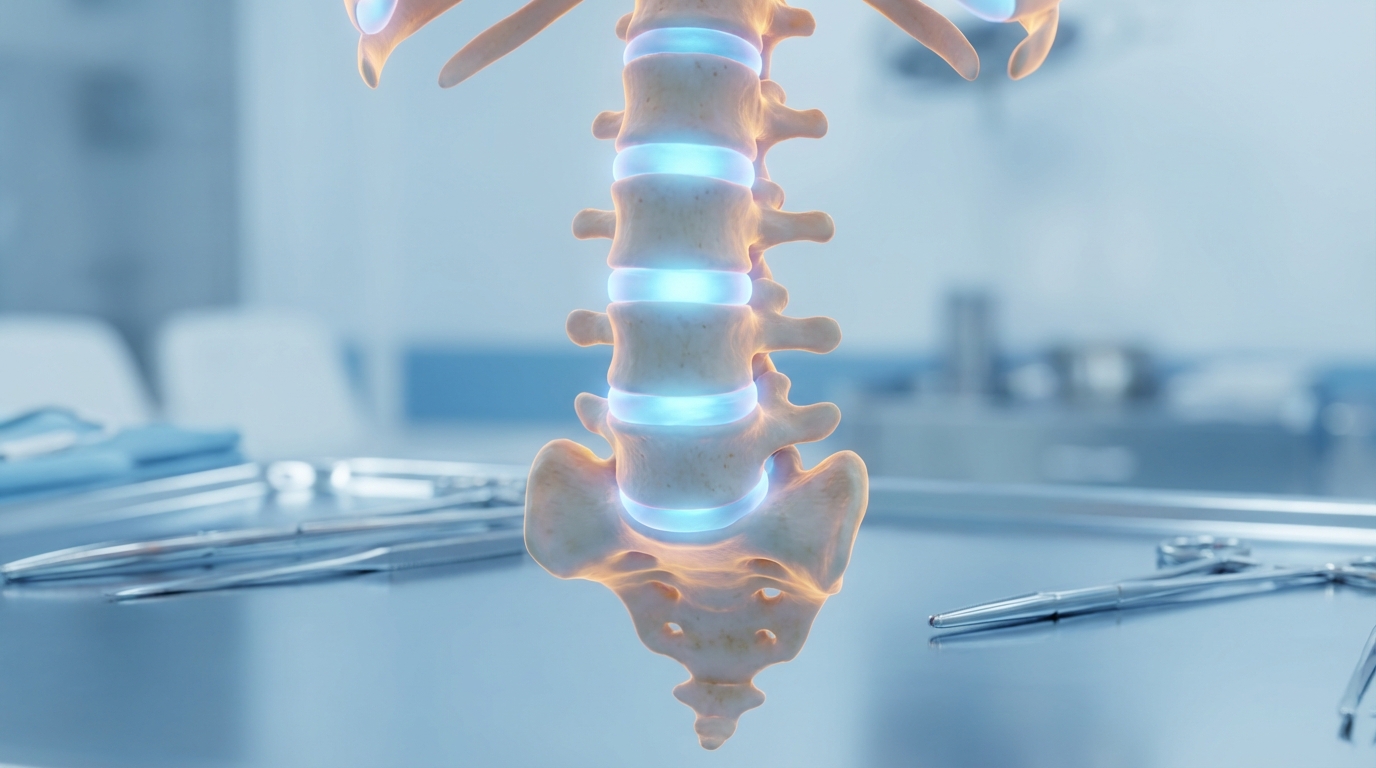
Meloxicam for Back Pain: Is It the Magic Bullet for Sciatica and Lower Back Agony?
If you are suffering from severe lower back agony or the sharp, radiating shocks of sciatica, you are likely searching for an escape route. When over-the-counter medications fail to dent the pain, doctors frequently turn to prescription nonsteroidal anti-inflammatory drugs (NSAIDs) like meloxicam. But is meloxicam for back pain truly the magic bullet it is often hoped to be?
To understand what this medication can and cannot do for your spine, we need to rely on a critical biomechanical metaphor: The Fire Hose. Think of meloxicam as a powerful fire hose. It is incredibly effective at putting out the fire (chemical inflammation) raging around your nerves and joints, but it does absolutely nothing to rebuild the house (your spinal mechanics).
In this comprehensive guide, we will break down exactly how meloxicam targets spinal inflammation, why it falls short for mechanical nerve pain, and how it compares to traditional muscle relaxers. Whether you are dealing with chronic stiffness or acute nerve irritation, here is the realistic, evidence-based truth about using meloxicam for your lumbar agony.
Understanding the Biomechanics: How Meloxicam Operates in the Spine
To gauge the effectiveness of meloxicam, you first have to understand the origin of your pain. Back pain typically falls into two categories: chemical (inflammatory) and mechanical (structural compression).
Meloxicam is a COX-2 preferential NSAID. Its primary job is to block the enzymes in your body that produce prostaglandins—the chemicals responsible for swelling, pain, and inflammation. When it comes to lumbar inflammation, meloxicam excels.
What it does: It significantly reduces the swelling and chemical irritation around irritated spinal discs and facet joints.
What it does not do: It cannot fix mechanical nerve compression. If a bone spur or a collapsed disc is physically pinching a nerve, no amount of anti-inflammatory medication will physically move that structure off the nerve.
By putting out the inflammatory “fire,” meloxicam creates a window of pain reduction, allowing you to engage in the physical therapies necessary to correct the underlying mechanical issues.
Crucial Rule: Meloxicam is Not a Muscle Relaxer
A common misconception among patients with severe lower back pain is that meloxicam will stop their back from “locking up.” This is a critical distinction to make: Meloxicam is not the primary treatment for acute muscle spasms.
If you bend over to tie your shoe and your lower back seizes up in a violent, immovable spasm, muscle relaxers (like cyclobenzaprine or methocarbamol) are specifically designed to interrupt the neurological pain-spasm cycle in the muscle tissue. Meloxicam, on the other hand, operates on the joint and tissue inflammation level.
While your doctor might prescribe both together—using the muscle relaxer to stop the immediate cramping and meloxicam to address the resulting localized swelling—taking meloxicam alone with the expectation that it will instantly unlock a severe muscle spasm will lead to disappointment.
Sciatica and Herniated Discs: Setting Realistic Expectations
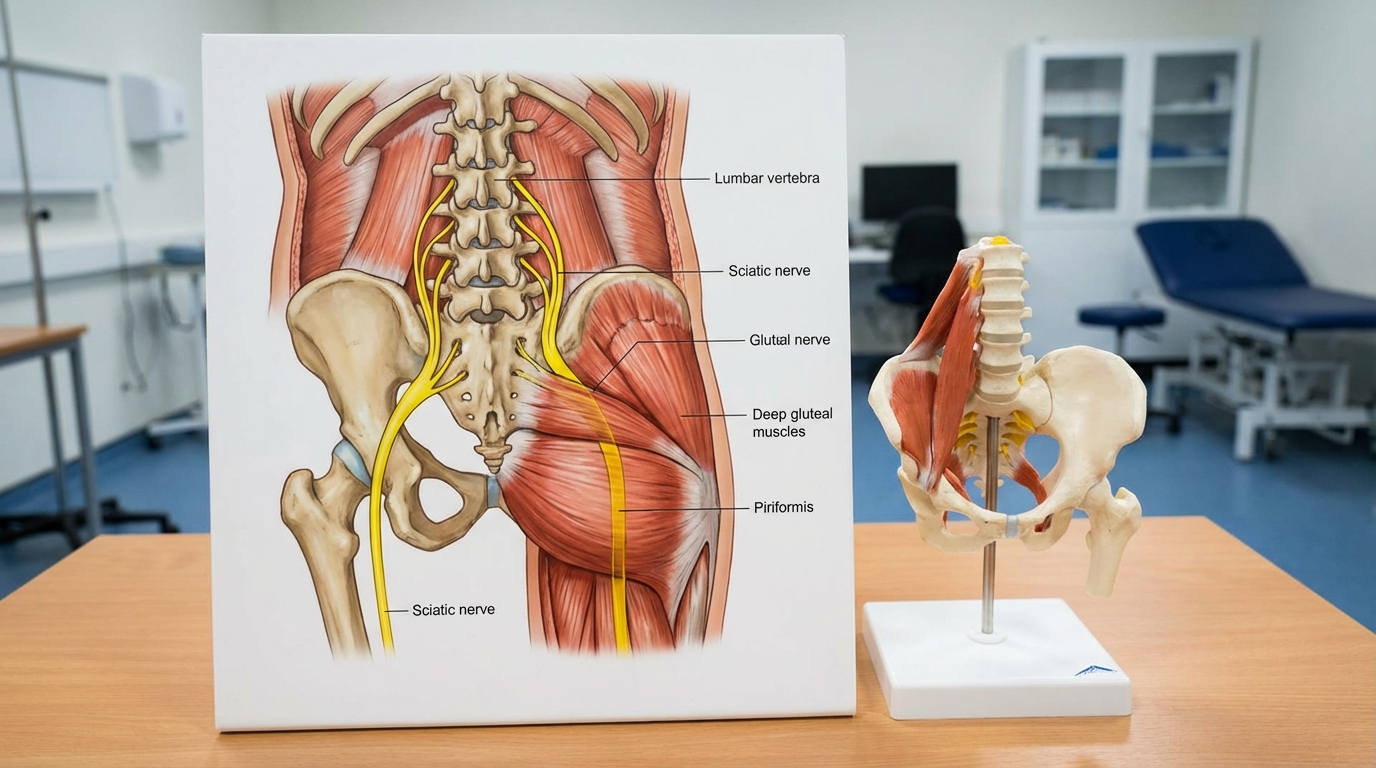
When discussing sciatica relief, it is vital to set realistic expectations. Sciatica is the symptom of the sciatic nerve being irritated or compressed, most often by a bulging or herniated disc in the lumbar spine.
Here is the hard truth: Meloxicam will not cure a herniated disc, nor will it cure sciatica. It is physically impossible for a pill to push a herniated disc nucleus back into its proper anatomical position.
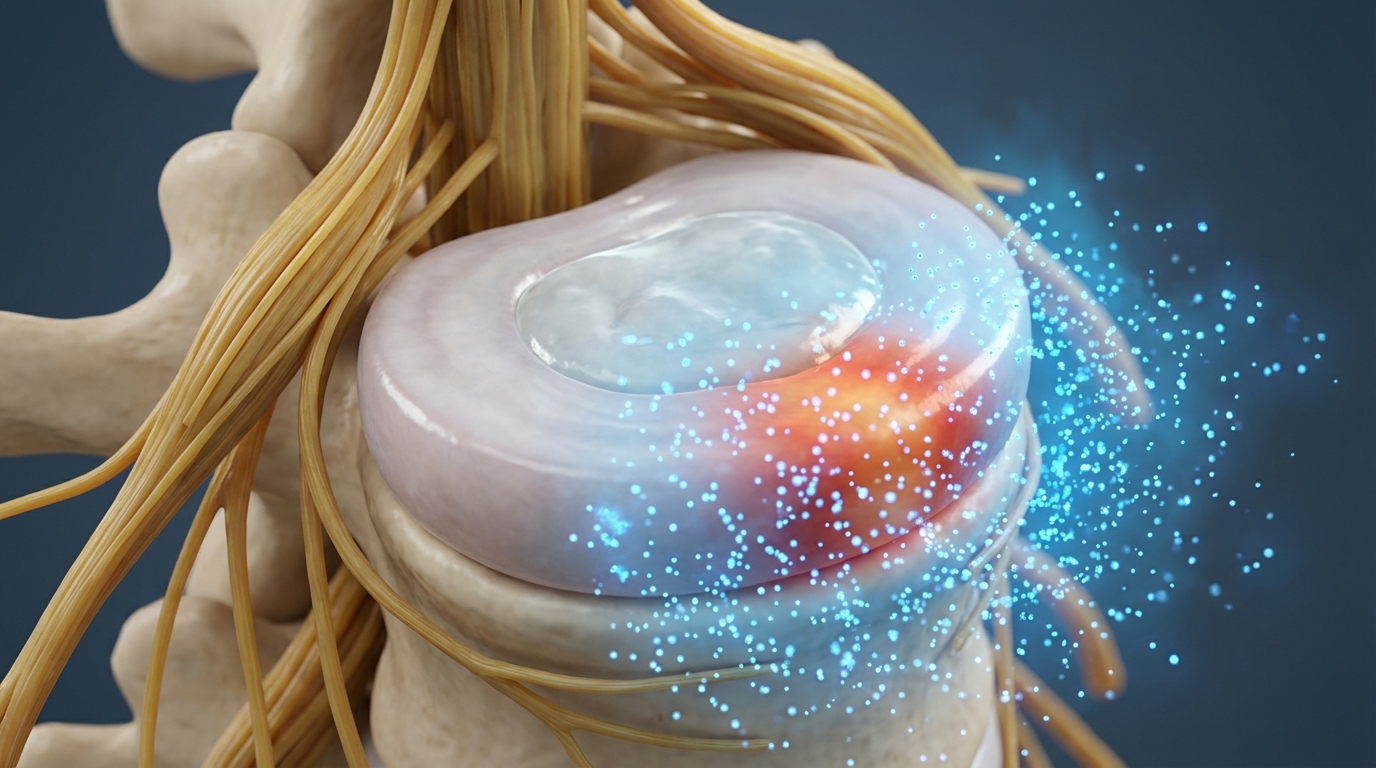
However, that does not mean meloxicam is useless for sciatica sufferers. When a disc herniates, it leaks highly inflammatory proteins directly onto the adjacent spinal nerve roots. This chemical bath causes the nerve root to swell, making the compression even worse. Meloxicam can be highly effective at clearing out this localized chemical swelling. By reducing the inflammation around the nerve root, meloxicam may decrease the severity of the radiating leg pain, even if the mechanical herniation remains. Furthermore, patients can reliably expect meloxicam to significantly reduce morning back stiffness, making those first few hours of the day much more tolerable.
A True Champion for Ankylosing Spondylitis
While meloxicam may only play a supporting role in mechanical disc herniations, it is highly effective for a specific category of spinal issues: inflammatory back pain. Specifically, meloxicam is frequently prescribed for conditions like ankylosing spondylitis.
Ankylosing spondylitis is an autoimmune arthritis that primarily targets the spine, causing chronic, severe inflammation of the vertebrae that can eventually lead to the bones fusing together. Because the root cause of the pain in this condition is systemic inflammation rather than a mechanical injury, NSAIDs like meloxicam are often considered a first-line treatment.
For patients with this specific diagnosis, taking a daily dose of meloxicam can drastically reduce systemic spinal inflammation, preserve mobility, and dramatically improve overall quality of life.
Your Comprehensive Strategy for Spinal Recovery
Relying solely on medication is a flawed strategy for achieving long-term spinal health. Remember our initial metaphor: Meloxicam puts out the fire, but you still have to rebuild the house.
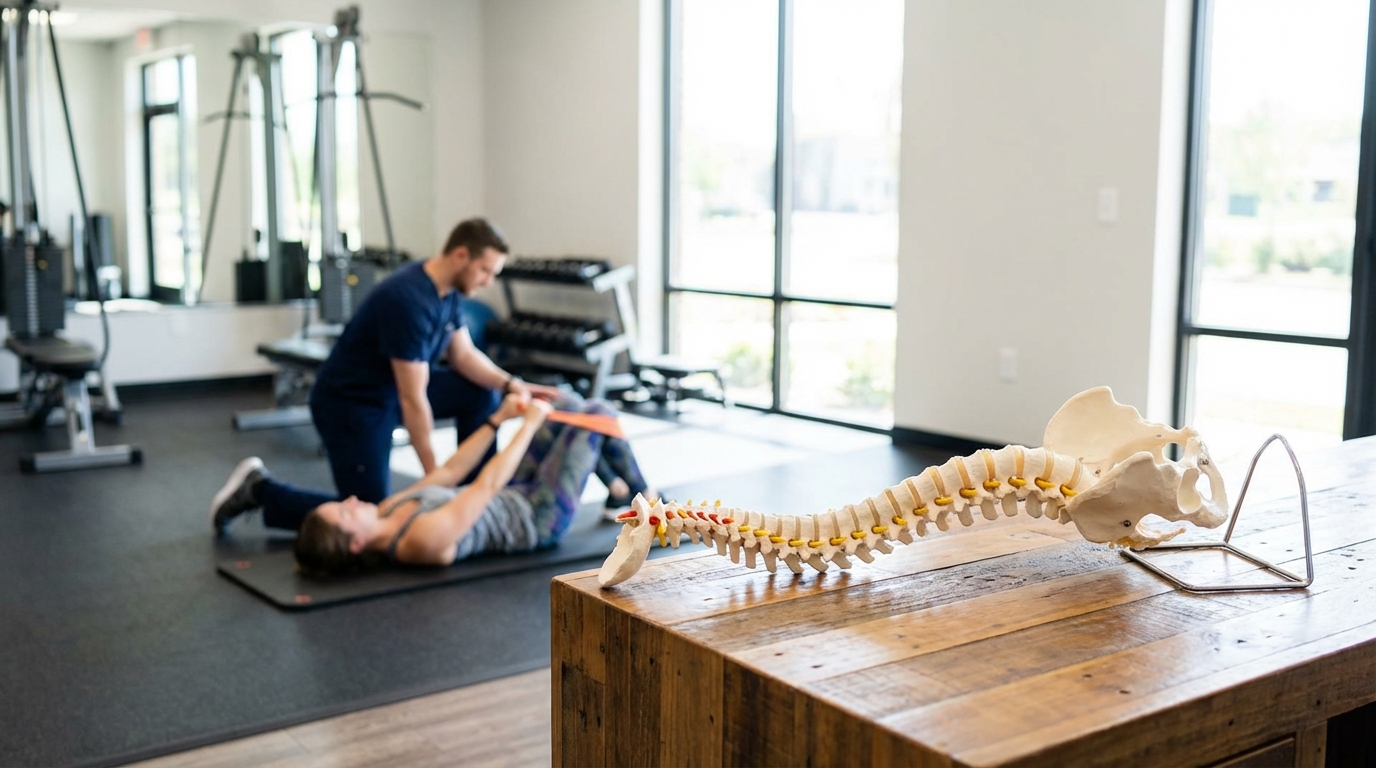
Once meloxicam has successfully reduced your lumbar inflammation and morning stiffness, you must utilize that pain-free window to engage in active rehabilitation. This means pursuing physical therapy, targeted core stabilization exercises, and addressing postural deficits. If you want to learn more about comprehensive foundational treatments, we highly recommend exploring our guide on Meloxicam Uses: How Doctors Manage Chronic Arthritis Through Daily Treatment to build a resilient, biomechanically sound spine.
By combining the chemical inflammation control of meloxicam with mechanical movement therapies, you transition from merely masking your symptoms to actively curing the root cause of your back agony.
Final Thoughts: Is Meloxicam the Magic Bullet?
Meloxicam is not a magic bullet, but it is an incredibly powerful tool when used correctly. If your pain stems from chemical inflammation, morning stiffness, or systemic conditions like ankylosing spondylitis, meloxicam can be life-changing. However, if you are expecting it to magically cure a mechanically herniated disc, reverse structural nerve compression, or instantly unlock a severe muscle spasm, you will be disappointed.
The most effective way to utilize meloxicam for back pain is as a bridge. Let it cool the inflammatory fires so that you can comfortably participate in the physical therapy required to rebuild your spine’s biomechanics. Always consult your healthcare provider to ensure meloxicam is safe and appropriate for your specific spinal condition.
Reference Post:
Meloxicam Usage: Essential Guide for Managing Chronic Joint Inflammation
Frequently Asked Questions About Meloxicam for Back Pain
How fast does meloxicam work for back pain?
Meloxicam typically reaches peak concentrations in the bloodstream within 4 to 5 hours of taking a dose. However, because it is a long-acting NSAID, it may take several days of consistent, daily dosing to experience the full anti-inflammatory benefits for severe back pain.
Can I take meloxicam for severe sciatica?
Yes, meloxicam can be prescribed for sciatica. While it will not cure the underlying mechanical cause (such as a herniated disc), it can help provide sciatica relief by reducing the painful chemical inflammation surrounding the irritated sciatic nerve roots.
Is meloxicam better than ibuprofen for lower back pain?
Neither is inherently “better,” but they operate differently. Ibuprofen is a short-acting NSAID that requires dosing every 4 to 6 hours, making it suitable for acute, short-term pain. Meloxicam is a long-acting NSAID taken only once a day, making it highly convenient and often more effective for chronic inflammatory conditions and persistent daily stiffness.
Will meloxicam help with lower back muscle spasms?
No, meloxicam is an anti-inflammatory medication, not a muscle relaxer. It does not act on the central nervous system to stop acute muscle spasms. If you are experiencing severe spasms, consult your doctor about muscle-specific medications.
Disclaimer: The information provided in this article is for educational and informational purposes only and is not intended as medical advice. Always consult with a qualified healthcare professional or physician before starting, stopping, or altering any medication, including meloxicam, or beginning any new treatment plan for back pain or sciatica.



One thought on “Meloxicam for Back Pain: Understanding Its Role in Managing Spinal Inflammation”