
Does Meloxicam Work Immediately? Here’s How Long It Really Takes to Feel Relief
You just took your first dose of meloxicam, poured yourself a glass of water, and waited. An hour passes, maybe two. Your knee, hip, or back still aches just as much as it did before. Naturally, frustration sets in, and you find yourself wondering: Is this medication even doing anything?
If you are feeling disappointed after one pill, take a deep breath. Think of your joint inflammation like a simmering pot of boiling water on the stove. When you finally turn off the heat, the water does not freeze or stop boiling instantly. It takes time for the bubbles to subside, for the water to cool down, and for the pot to eventually become still. Your body works in the exact same way.
Meloxicam is turning off the heat, but the inflammation in your joints needs time to cool down. In this guide, we are going to break down exactly how long for meloxicam to work, managing your expectations so you don’t abandon a highly effective treatment prematurely.
Why Meloxicam Isn’t an “Instant Fix”
When we have a headache or acute muscle pain, we are conditioned to reach for over-the-counter painkillers that provide relief in 30 to 60 minutes. Because of this, many patients expect meloxicam to perform the exact same way. However, meloxicam is absolutely not designed for immediate, acute pain relief.
Unlike quick-acting fever reducers or mild analgesics, meloxicam is categorized as a slow acting NSAID (Non-Steroidal Anti-Inflammatory Drug). Its primary job is not just to mask pain, but to systematically lower the chronic inflammation that is causing the pain in the first place. You can learn more about this foundational process by checking out our comprehensive Meloxicam Uses: How Doctors Manage Chronic Arthritis Through Daily Treatment.
Quick Painkillers: Mask the pain signals quickly but wear off in a few hours.
Meloxicam: Builds up in your system to attack the root inflammation, providing 24-hour baseline relief over time.

The Science: What is Happening Inside Your Body?
To understand the timeline, we have to look at the onset of action from a scientific perspective. When you swallow that pill, your body immediately goes to work, but the process takes patience.
First, the medication enters your digestive tract and is absorbed into your bloodstream. It takes several hours for the medication to reach its maximum blood concentration. At this point, the drug begins inhibiting specific enzymes (COX-1 and COX-2) that produce prostaglandins—the chemicals responsible for inflammation and swelling.
However, while the blood concentration peaks in a matter of hours, systemic inflammation reduction takes days. The tissues deep within your arthritic joints have been swollen for a long time; reversing that biological swelling requires a steady, continuous chemical signal.
The Meloxicam Timeline: What to Expect Day by Day
So, exactly how long should you wait? The peak relief timeline varies slightly from person to person, but clinical evidence gives us a very reliable roadmap for what you should expect as you begin your prescription.
First 48 Hours: During the first two days, you may notice a very slight, subtle improvement. You might feel a tiny bit less stiff when waking up, but the sharp pain will likely still be present. Do not be discouraged.
Days 3 to 7: The medication is now reaching a steady state in your bloodstream. The ‘simmering pot’ is finally starting to cool. You should notice a moderate reduction in swelling and an easier time performing daily movements.
Day 14: By the end of the second week, patients typically experience their peak mobility. The systemic inflammation has been largely suppressed, and the full therapeutic benefits of the medication are in effect.
The Crucial “Two-Week Rule” for Joint Pain Patients
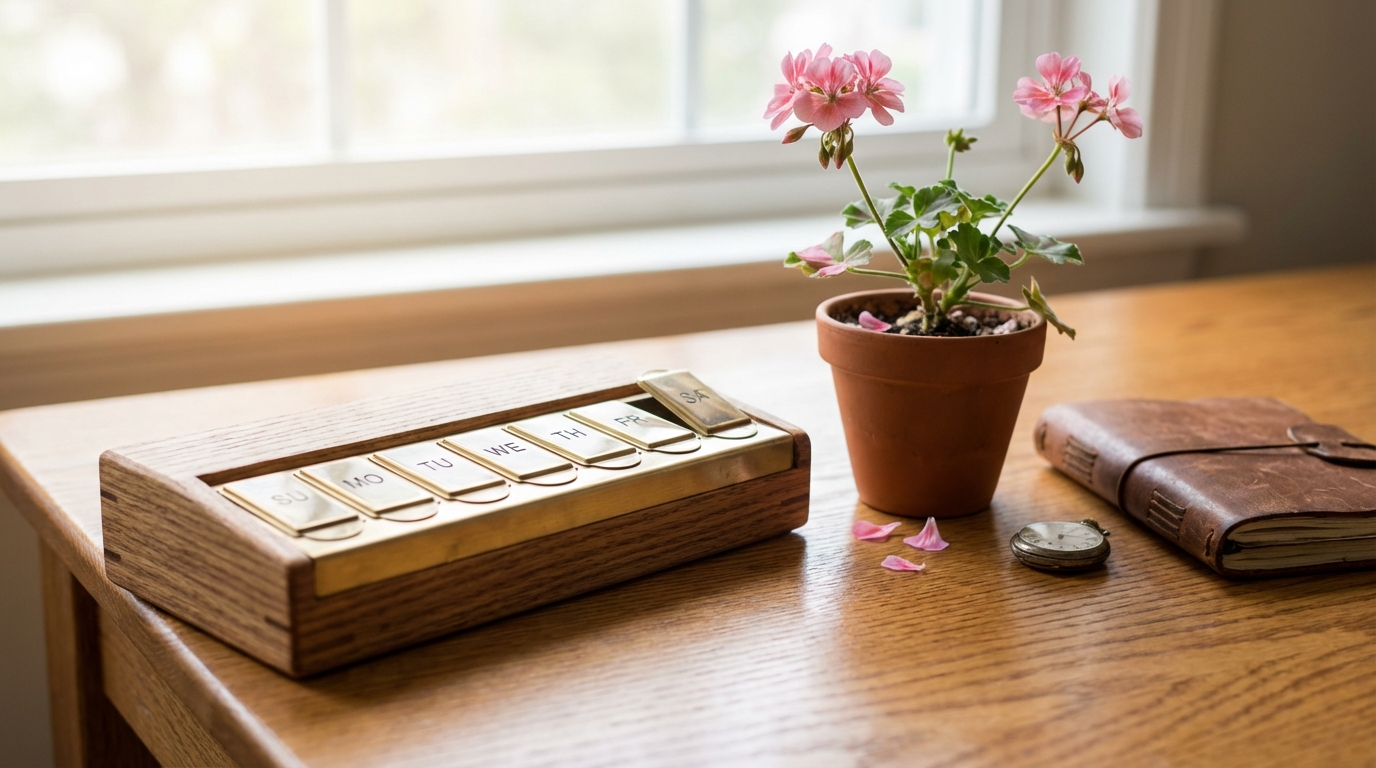
Because of the slow build-up of this medication, rheumatologists and prescribing doctors have a golden rule for their patients: You must give the medication 1 to 2 weeks of consistent, daily use before deciding it “doesn’t work.”
The biggest mistake patients make is taking the pill for three days, assuming it is ineffective, and throwing the bottle in the medicine cabinet. By stopping early, you are turning the heat back up on that simmering pot right before the water had a chance to fully cool down. Consistency is the secret to success with this medication.
Maximizing Your Relief While You Wait
While you wait for the full effects to kick in over those first 14 days, there are ways to manage your discomfort safely. Always take your dose exactly as prescribed, ideally at the same time each day, to maintain stable levels of the drug in your system.
You can also utilize non-medical interventions like gentle stretching, applying ice packs to acute flare-ups, or using a heating pad to loosen stiff joints in the morning. If, after a full two weeks of daily use, you still feel absolutely zero relief, that is the appropriate time to contact your doctor. They may need to adjust your dosage or try a different class of medication entirely.

Conclusion
Dealing with chronic joint pain can be exhausting, and wanting immediate relief is completely natural. However, when wondering how long for meloxicam to work, patience is your greatest ally. Remember that this medication is not a quick fix, but a calculated, steady approach to turning down the dial on your inflammation. By committing to the critical two-week window, you give your body the time it needs to heal, adapt, and regain the mobility you deserve.
Reference Post:
Meloxicam Usage: Essential Guide for Managing Chronic Joint Inflammation
Frequently Asked Questions About Meloxicam
Can I take extra doses to make it work faster?
No. Taking more than your prescribed dose will not speed up the onset of action or reduce inflammation faster. It will only increase your risk of severe side effects, including stomach ulcers and cardiovascular issues. Stick to the prescribed daily amount.
Why am I still in pain after a week of taking it?
It can take a full 14 days to reach peak mobility and for the systemic inflammation to fully subside. A week is halfway through the process. Continue taking it as prescribed to evaluate its true effectiveness.
Does taking it with food slow down how fast it works?
While taking meloxicam with food may slightly delay the initial absorption into your bloodstream, it does not affect the overall long-term systemic relief. In fact, doctors highly recommend taking it with food or milk to prevent stomach upset.
Disclaimer: The information provided in this article is for educational purposes only and does not constitute medical advice. Always consult with a qualified healthcare provider or pharmacist regarding your specific medical condition, medication dosages, and treatment plans. Never stop or alter your medication regimen without professional medical guidance.

One thought on “Meloxicam Effectiveness: Understanding the Two-Week Timeline for Pain Relief”