Meloxicam 15mg vs 7.5mg: Which Dose is Right for Your Level of Arthritis?
When managing osteoarthritis or rheumatoid arthritis, achieving the precise balance of medication is critical. For many patients prescribed a nonsteroidal anti-inflammatory drug (NSAID), the choice often comes down to two specific dosages. If you are debating between meloxicam 15mg and 7.5mg, it is essential to understand the therapeutic ceiling and why doctors prescribe specific strengths.
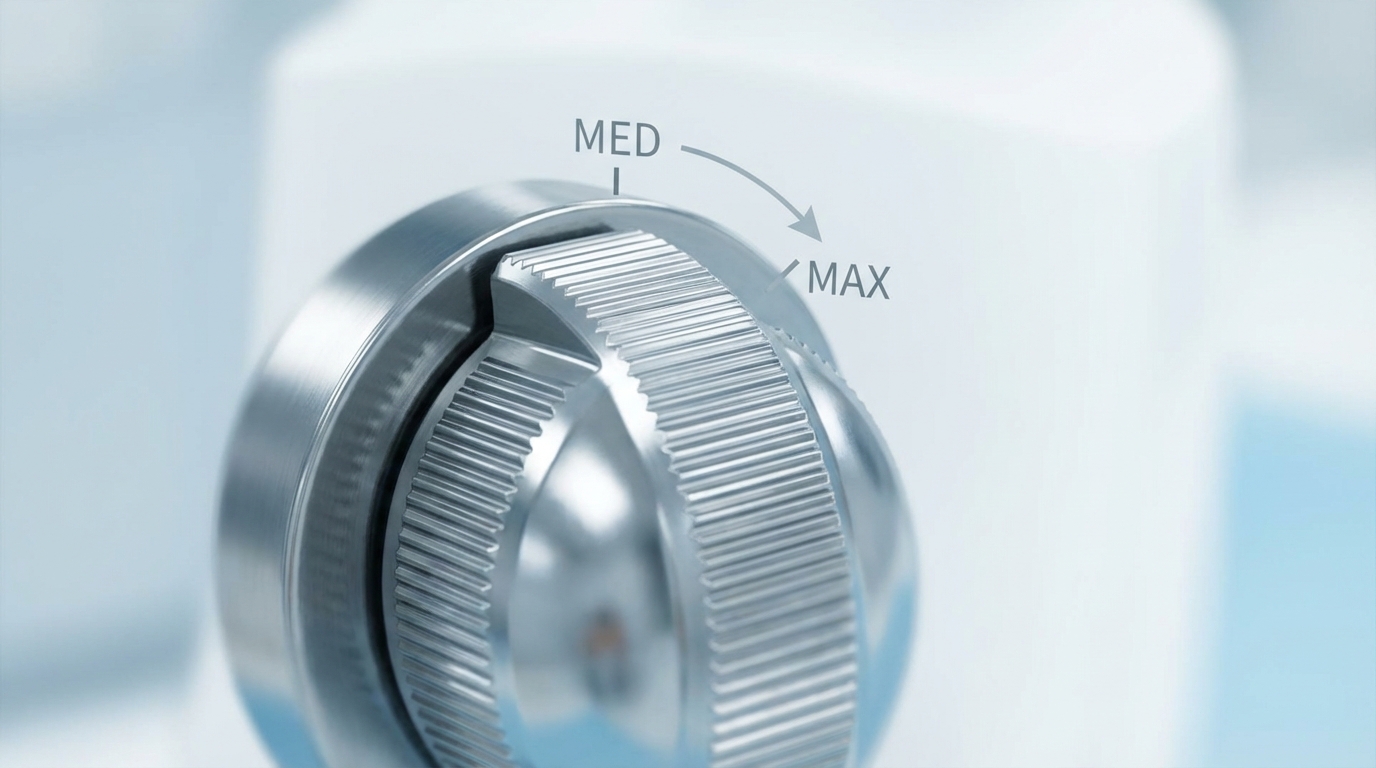
Think of your medication dosage like a volume knob on a stereo. A 7.5mg dose is your background music—a steady, manageable level that keeps joint inflammation quiet without overwhelming the system. Jumping to 15mg is like turning the dial to maximum volume. You do not crank the volume to max unless it is absolutely necessary. In clinical practice, precision matters. This guide explores the clinical boundaries of these two dosages, providing clarity on whether your current dose is adequate or if a clinical adjustment is required.
The Starting Dose vs. The Absolute Limit
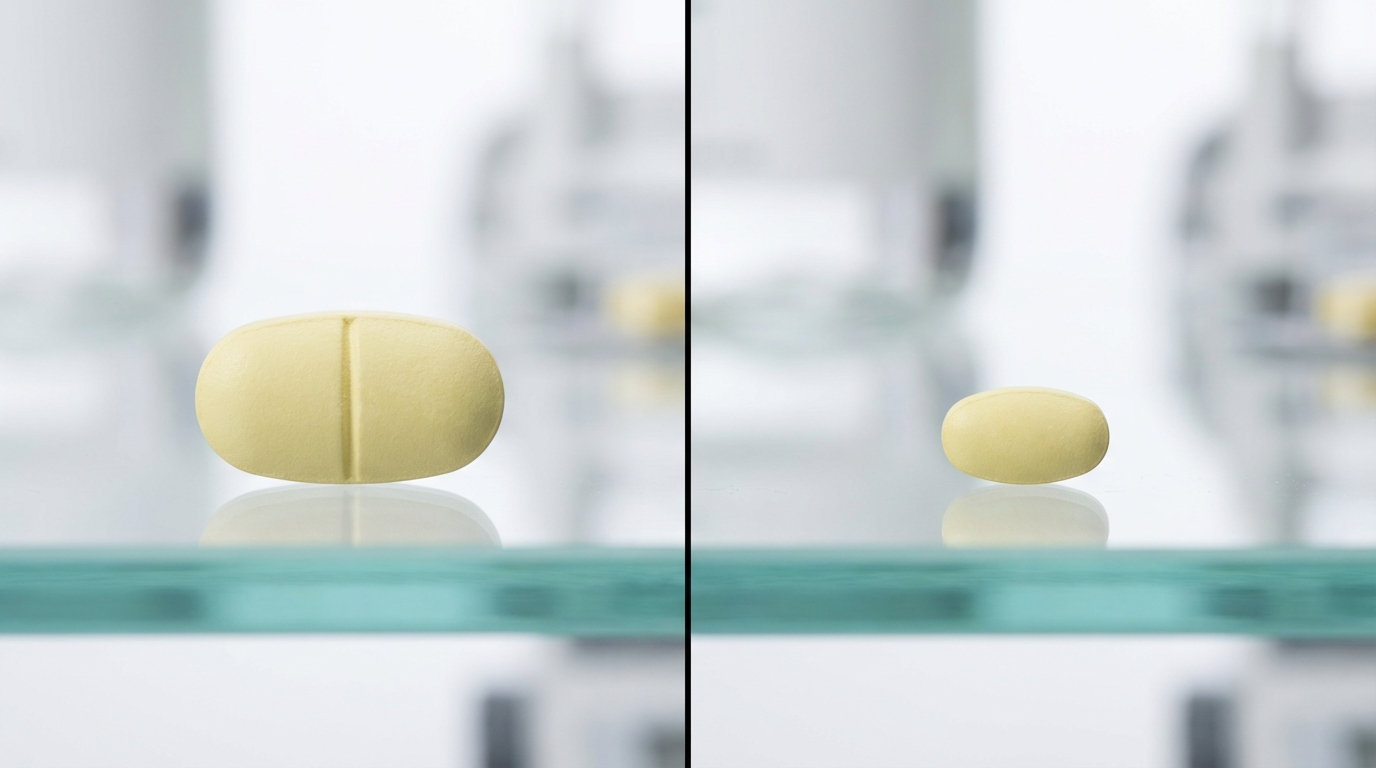
In rheumatology and orthopedics, medication management follows strict, evidence-based protocols. For adults suffering from osteoarthritis or rheumatoid arthritis, 7.5mg is established as the standard starting dose. It serves as a baseline to assess how well your body tolerates the medication and how effectively it dampens joint inflammation. For many patients, this functions perfectly as a long-term maintenance dose.
Conversely, meloxicam 15mg is the absolute maximum daily dose. Prescribing guidelines are definitive on this boundary. The leap from 7.5mg to 15mg is reserved for patients whose severe, persistent inflammation does not respond to the baseline dosage. It is not an entry point; it is the upper ceiling of pharmacological intervention.
The Therapeutic Ceiling: Relief vs. Risk
Understanding the pharmacology behind NSAIDs is crucial for patient safety. One might assume that increasing a medication’s strength yields a linear, one-to-one increase in pain relief. However, this is scientifically inaccurate.
While higher doses do increase the anti-inflammatory effects in your joints, they also exponentially increase the risk of adverse side effects. When you move to a higher dosage, the risk for gastrointestinal bleeding, cardiovascular events, and renal (kidney) strain escalates significantly. The objective of proper titration is to find the lowest possible dose that achieves acceptable symptom relief. Pushing the dose higher simply to completely eliminate all pain is a dangerous clinical strategy.
Will Meloxicam 15mg Work “Twice as Fast”?
A common misconception among patients dealing with acute arthritis flare-ups is that a higher dosage will expedite relief. It is vital to set correct expectations: taking meloxicam 15mg will not work “twice as fast” as a 7.5mg tablet.
Because this medication operates on a steady-state accumulation in your bloodstream, the speed of onset remains relatively identical regardless of the milligram strength. What the 15mg dose provides is a higher ceiling of relief, meaning its overall capacity to suppress severe inflammation is greater once it fully metabolizes. For more comprehensive insights into how anti-inflammatories interact with your joint structures over time, you can review our foundational joint care protocols.

The Danger of “Doubling Up”: A Strict Boundary
If you are currently prescribed 7.5mg and experiencing a severe flare-up, the temptation to simply take two pills to achieve a 15mg dose is a dangerous, strictly prohibited practice without direct physician oversight.
Unseen Risks: Self-titration bypasses your doctor’s assessment of your current kidney function, blood pressure, and gastrointestinal health.
Drug Interactions: Doubling your dose unmonitored can dangerously amplify interactions with blood thinners, ACE inhibitors, or diuretics you may currently be taking.
Clinical Protocol: You must never take two 7.5mg pills to equal 15mg without explicit, documented approval from your prescribing physician. Adjusting your own medication is universally unsafe.
How Doctors Determine Your Ideal Meloxicam Strength
Physicians do not guess when assigning your dosage. The decision between 7.5mg and 15mg is calculated using several vital patient metrics.
Your doctor will evaluate your age, the radiographic severity of your arthritis, your cardiovascular risk profile, and your liver and kidney function panels. Older adults, for instance, are generally kept at the lower dose due to slower metabolic clearance rates. If a patient requires an escalation in their therapy, it is done through careful clinical observation. To understand more about the diagnostic tools doctors use to evaluate joint damage before adjusting medications, consult our guide on advanced arthritis diagnostics. Trust your physician’s boundary setting; their goal is to provide maximum mobility with minimal systemic risk.

Conclusion: Respecting the Chemical Boundaries
Choosing between a 7.5mg and a meloxicam 15mg dose is a precise medical calculation, not a matter of preference. Remember the volume knob: 7.5mg provides the steady background control most patients need, while the 15mg maximum daily dose is reserved strictly for when severe symptoms require a higher ceiling of relief. Never attempt to adjust your dose or double up on pills independently. If you feel your current dosage is not adequately managing your arthritis, schedule a consultation with your prescribing physician to discuss a safe, medically supervised adjustment.
Frequently Asked Questions About Meloxicam Dosages
Is 15mg of meloxicam considered a high dose?
Yes. In the context of clinical guidelines, 15mg is the absolute maximum daily dose approved for treating arthritis. Exceeding this limit offers no additional therapeutic benefit and severely increases the risk of dangerous side effects.
Can I switch from 15mg to 7.5mg if my pain improves?
While stepping down to a lower maintenance dose is a common clinical goal to reduce long-term risks, this must only be done under the strict guidance of your healthcare provider. Never engage in self-titration of your medication.
How long does it take for meloxicam 15mg to peak in my system?
Regardless of the dosage, meloxicam generally reaches its peak concentration in the blood within 4 to 5 hours after ingestion, though it may take several days of consistent daily dosing to feel the full anti-inflammatory benefits in your joints.
Disclaimer: The information provided in this article is for educational purposes only and does not constitute medical advice. Meloxicam is a prescription medication with serious potential side effects. Always consult your physician or a qualified healthcare provider before making any changes to your medication regimen, and never attempt self-titration.

One thought on “Meloxicam Dosages: Clinical Guidelines for 7.5mg and 15mg Strength Limits”