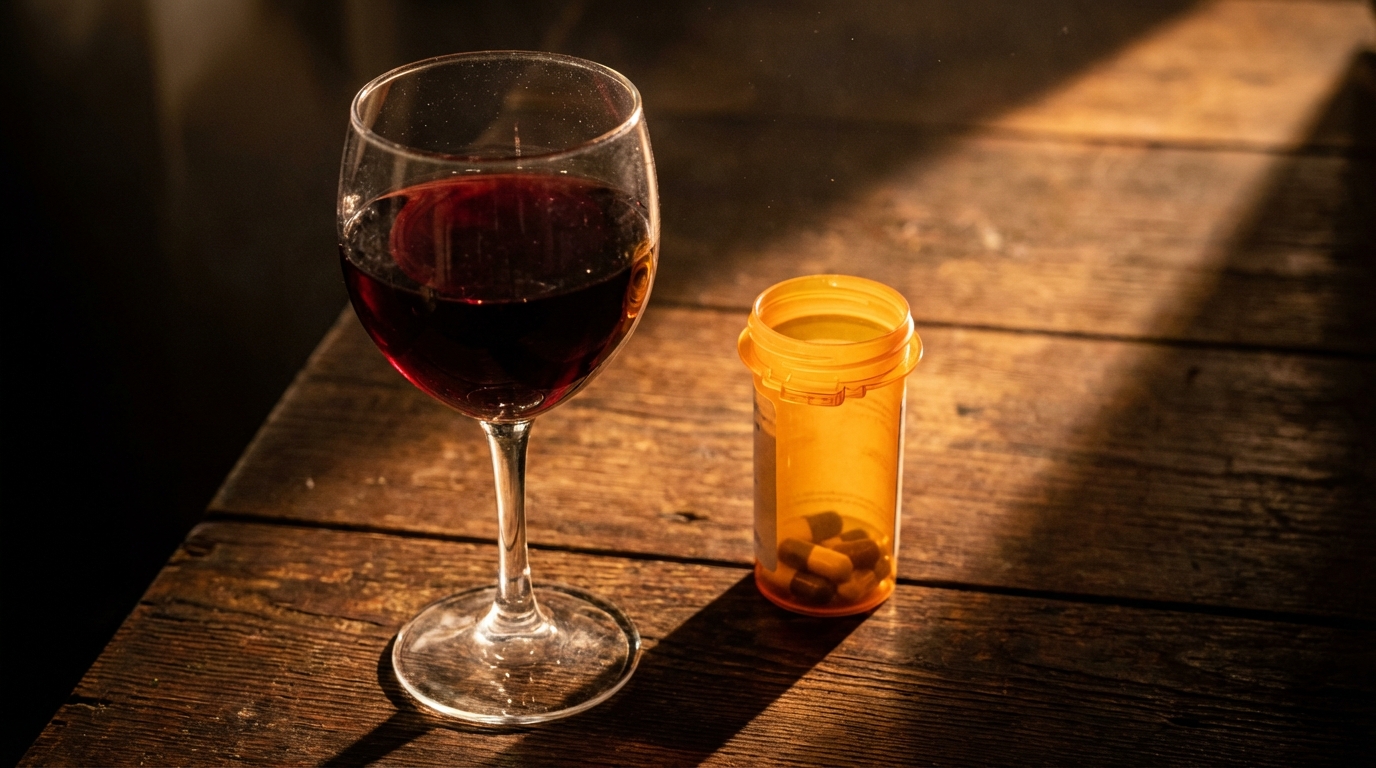
Meloxicam and Alcohol: Why Having That Glass of Wine Could Be a Dangerous Mistake
You have had a long week, your joints are aching, and all you want to do is unwind with a glass of Pinot Noir. You took your prescribed dose of meloxicam earlier today, and you might think to yourself, ‘It is just one glass, what is the worst that could happen?’
As an elite medical copywriter and subject matter expert, I am here to tell you that this rationalization is a severe, potentially life-threatening miscalculation. The dangerous chemical interaction between meloxicam and alcohol is not a simple suggestion to ignore at a dinner party—it is a strict medical boundary.
Think of the interaction like this: Sandpaper on a sunburn. Alcohol takes an already sensitive stomach lining weakened by medication and scrubs it raw. When you mix these two substances, you are setting the stage for catastrophic internal damage.
The Biological Clash: How NSAIDs and Alcohol Destroy Your Defenses
Meloxicam belongs to a class of medications known as nonsteroidal anti-inflammatory drugs (NSAIDs). It works by blocking specific enzymes in your body that produce inflammation and pain. However, these exact same enzymes are responsible for producing the protective mucus layer that shields your stomach lining from its own harsh digestive acids.
When you introduce alcohol into your system, you are adding a known gastrointestinal irritant. Drinking on NSAIDs forces your digestive tract to fight a war on two fronts. The medication strips away your stomach’s armor, and the alcohol acts as a direct chemical attack on the exposed tissue. The result is a drastically multiplied risk of severe complications.
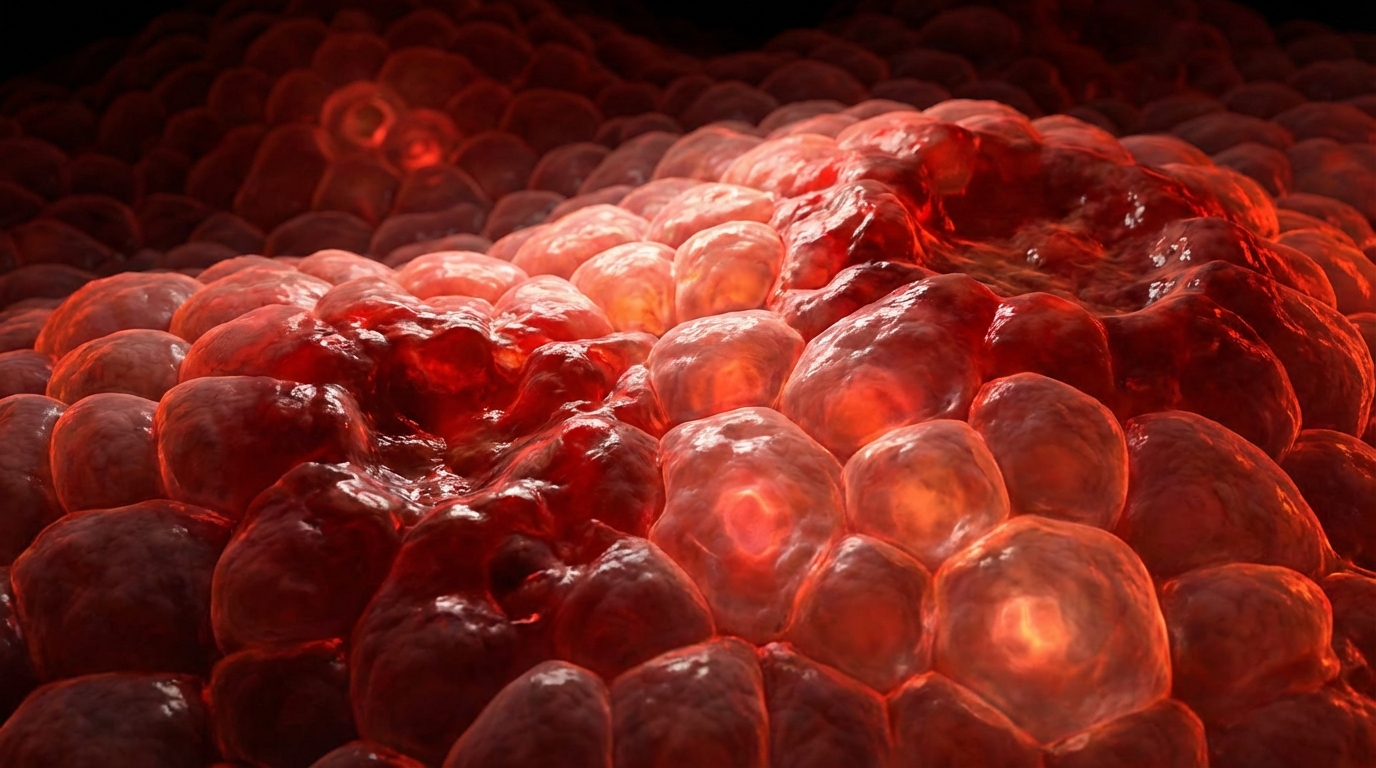
The Silent Threat of Severe Stomach Bleeding
The most immediate and terrifying consequence of combining meloxicam and alcohol is the astronomical spike in the risk of stomach bleeding. Because your stomach’s protective barrier is compromised, the mucosal lining can easily ulcerate and begin to hemorrhage.
- Vomiting Blood: Often resembling dark coffee grounds.
- Tarry Stools: Black, unusually foul-smelling bowel movements indicating digested blood.
- Unexplained Weakness: Sudden lethargy, dizziness, or fainting due to internal blood loss.
Gastric bleeding is not a mild inconvenience; it is a medical emergency that can escalate to fatal consequences before you even realize the severity of your condition.
Beyond the Gut: The Risk of Liver Toxicity and Kidney Strain
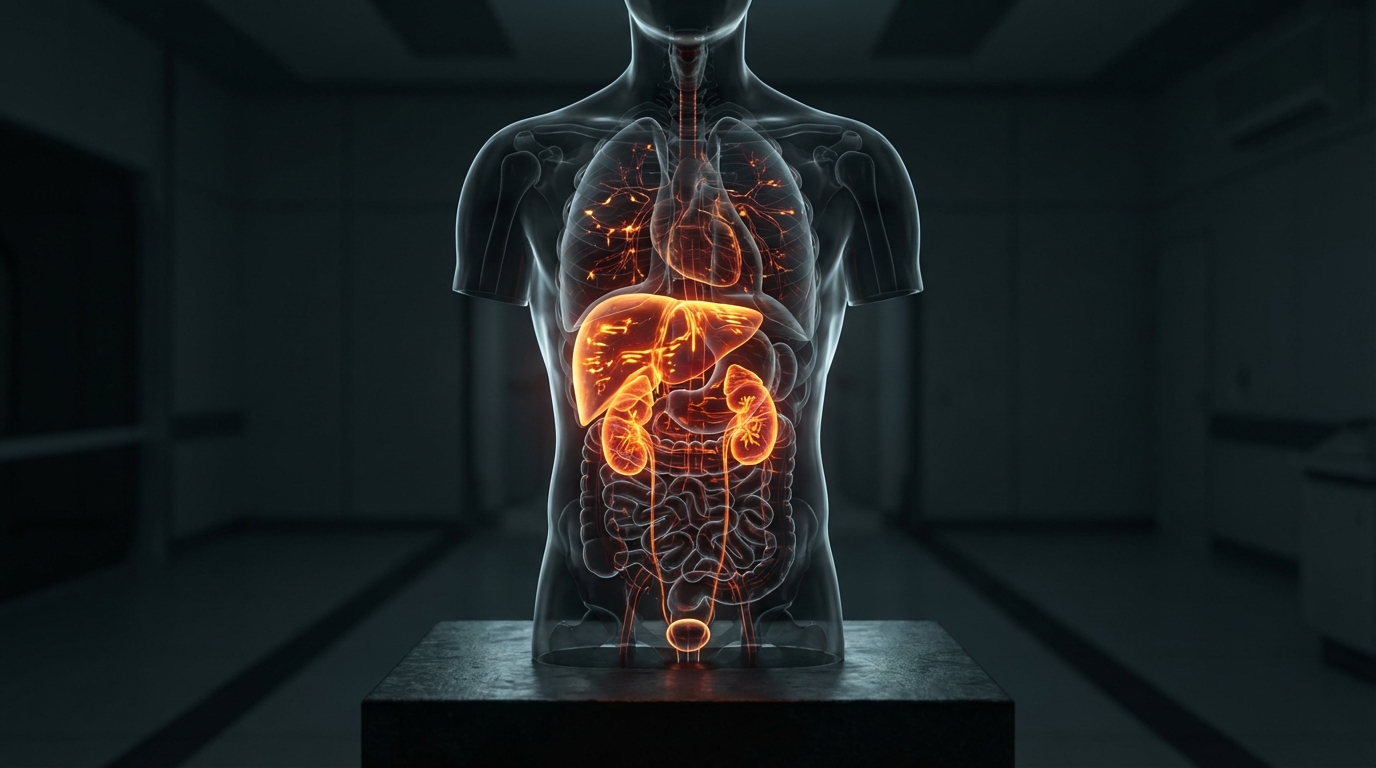
While the stomach takes the initial hit, your body’s filtration systems are forced to manage the toxic fallout. Both meloxicam and alcohol are heavily metabolized by the liver and excreted by the kidneys. Forcing these organs to process both substances simultaneously places an immense, toxic burden on them.
This combination drastically increases the risk of liver toxicity. Chronic social drinkers who casually pop NSAIDs often suffer from silent liver damage that goes unnoticed until irreversible scarring (cirrhosis) occurs. Furthermore, NSAIDs reduce blood flow to the kidneys, while alcohol causes severe dehydration. Together, they can trigger acute renal failure. For more comprehensive insights into protecting these vital organs, understanding the mechanics of liver health is critical.
The ‘Just One Sip’ Myth: Why You Cannot Negotiate with Your Body
Many social drinkers attempt to bargain with their prescriptions. ‘What if I only have one beer?’ or ‘What if I space out my medication and my drinks?’
Let us be uncompromisingly clear: a single sip might not kill you on the spot, but regular drinking while on a meloxicam regimen guarantees long-term gastrointestinal damage. The half-life of meloxicam is exceptionally long—up to 20 hours. This means the drug is actively compromising your stomach’s defenses long after you swallow the pill. There is no ‘safe window’ to sneak in a drink. If you are struggling with medication management and lifestyle habits, consulting an addiction or medical specialist is your best course of action.
The Non-Negotiable Medical Mandate
There is no gray area here. Complete avoidance of heavy drinking is medically required when you are prescribed meloxicam. Under no circumstances should you ever believe that ‘moderate’ drinking is completely safe while utilizing this drug.
Your health relies on your ability to make disciplined, informed decisions. Pain management should never come at the cost of bleeding ulcers, liver failure, or kidney disease. If your social life requires alcohol, you must have a serious conversation with your physician about alternative pain management therapies. You simply cannot have both.

Conclusion
The choice between effective pain management and a social drink should not be a gamble with your life. Mixing meloxicam and alcohol is a dangerous collision of chemicals that strips away your stomach’s natural defenses, strains your liver, and invites severe, life-threatening complications. Remember the sandpaper on a sunburn: do not subject your internal organs to this brutal, unnecessary friction. Choose your health, respect your medication’s boundaries, and leave the glass of wine empty until your treatment is entirely finished.
Frequently Asked Questions About Meloxicam and Alcohol
Can I drink a glass of wine 12 hours after taking meloxicam?
No. Meloxicam has a half-life of 15 to 20 hours, meaning it stays in your system for an extended period. Drinking alcohol even 12 hours later still carries a severe risk of stomach bleeding and liver toxicity.
What should I do if I accidentally drank alcohol while on meloxicam?
If you have consumed alcohol while taking this medication, stop drinking immediately. Monitor yourself closely for signs of gastrointestinal distress, such as severe stomach pain, dizziness, vomiting dark material, or black stools. If any of these occur, seek emergency medical help immediately.
Are there any safe alcoholic drinks to consume with NSAIDs?
Absolutely not. The type of alcohol—whether it is beer, wine, or hard liquor—does not change the chemical reaction in your body. All forms of alcohol irritate the stomach lining and pose a severe risk when combined with meloxicam.
Disclaimer: The information provided in this article is strictly for educational purposes only. It is not intended as a substitute for professional medical advice, diagnosis, or treatment. Always seek the advice of your physician or another qualified healthcare provider with any questions you may have regarding a medical condition or prescription medication interactions.

One thought on “Meloxicam and Alcohol Interactions May Trigger Severe Internal Hemorrhaging”