
The Ultimate Guide to Meloxicam: Everything You Need to Know for Lasting Joint Pain Relief
Living with chronic joint pain can feel like an endless, exhausting battle. Every morning brings stiffness, and every movement requires a calculated effort. If your doctor has recently prescribed meloxicam, you are likely feeling a mix of hope and anxiety—especially if you are concerned about relying on prescription medications and navigating potential side effects.
You are not alone in feeling this way. Understanding your medication is the first and most critical step toward reclaiming your quality of life safely. To understand how meloxicam operates, you need to use a simple metaphor: think of meloxicam like a thermostat, not a light switch. It is designed to slowly cool down joint inflammation over time; it’s not an instant click that magically turns off the pain.
In this comprehensive guide, we will explore exactly how this medication works, the golden rules for safe usage, and realistic timelines for feeling your best. Let’s demystify your treatment plan so you can move forward with confidence and clarity.
What Exactly is Meloxicam? More Than an Over-the-Counter Painkiller
It is crucial to understand that meloxicam is a powerful, prescription-only NSAID (Non-Steroidal Anti-Inflammatory Drug). Unlike standard over-the-counter (OTC) painkillers like ibuprofen or acetaminophen, meloxicam is specifically formulated for the heavy lifting required by chronic conditions like osteoarthritis and rheumatoid arthritis.
Because of its potency, it requires medical supervision. Meloxicam does not cure arthritis or reverse joint damage, but it serves as a highly effective tool to manage the day-to-day symptoms, allowing you to participate in physical therapy and daily activities with greater ease. It provides long-lasting relief designed to be taken just once a day, making it a convenient cornerstone for ongoing pain management.

The Science of Relief: Targeting Prostaglandins
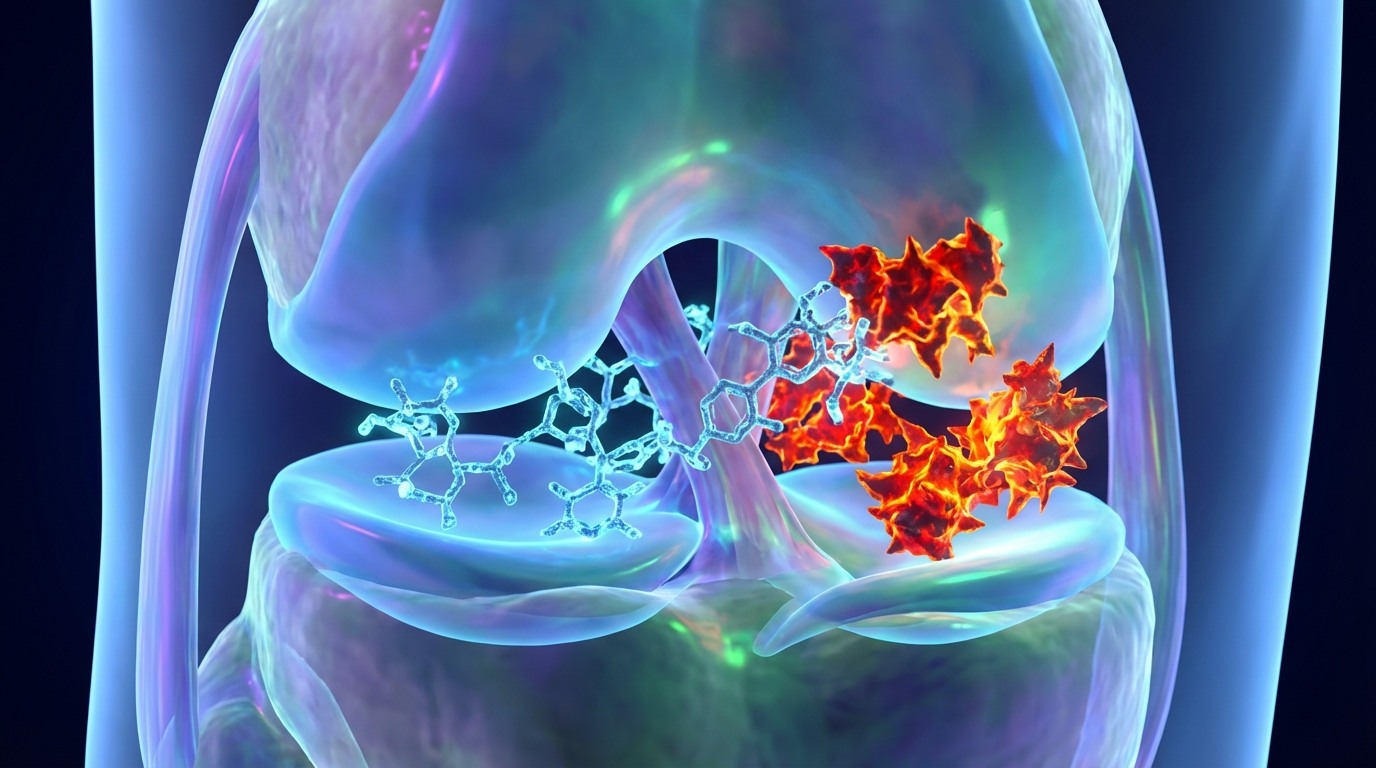
To appreciate how meloxicam cools down your system, we need to look at the biology of joint inflammation. When your body sustains joint wear-and-tear, it produces enzymes known as COX-1 and COX-2. These enzymes are responsible for creating chemicals called prostaglandins.
Prostaglandins are the primary culprits behind the swelling, redness, and throbbing pain you feel in your joints. Meloxicam works by actively inhibiting these COX enzymes, effectively shutting down the production line of prostaglandins. By targeting the pain at its cellular source, meloxicam reduces the inflammatory response, allowing your joints to move more freely and with significantly less discomfort.
The Golden Rule: Protecting Your Gut Health
While meloxicam is highly effective, it demands respect, particularly regarding your digestive system. The most important, non-negotiable rule of taking this medication is that it MUST be taken with food or milk. Never take meloxicam on an empty stomach.
Because it inhibits COX-1 enzymes—which normally help protect the stomach lining—taking it without food drastically increases the risk of gastrointestinal issues, including stomach upset and severe GI ulcers. By pairing your daily dose with a meal, a hearty snack, or a glass of milk, you create a protective buffer in your stomach. Understanding and mitigating NSAID side effects is paramount to ensuring your long-term safety and comfort.

Realistic Expectations: The Timeline for Pain Relief
One of the biggest sources of frustration for new patients is the expectation of immediate relief. Remember our thermostat metaphor? Meloxicam takes days to weeks to achieve peak relief; it is not fast-acting.
Many people mistakenly assume the medication isn’t working after the first day and consider doubling their dose. Never change your dosage without consulting your doctor. The anti-inflammatory effects build up gradually in your bloodstream. You might start noticing a slight decrease in morning stiffness within the first few days, but the full, transformative benefits often take up to two full weeks of consistent, daily use. Patience is your greatest ally during this phase.
Integrating Meloxicam into Your Arthritis Relief Strategy
Meloxicam is a vital piece of the puzzle, but it is rarely the only piece. Achieving true, lasting arthritis relief involves a holistic approach. Because the medication lowers your pain threshold and reduces swelling, you should use this window of comfort to engage in gentle, joint-strengthening exercises, such as swimming, cycling, or physical therapy.
- Stay Hydrated: Good hydration supports healthy joint cartilage.
- Monitor Your Body: Keep a daily journal tracking your pain levels and any unusual symptoms.
- Keep Doctor Appointments: Regular check-ins ensure the medication is still the right fit for your body and lifestyle.
By combining this prescription NSAID with healthy lifestyle modifications, you give yourself the best possible chance at maintaining mobility and minimizing chronic pain.
Conclusion
Navigating chronic joint pain is undeniably challenging, but understanding your treatment options shouldn’t be. Meloxicam stands as a powerful, targeted therapy that, when used correctly, can dramatically reduce joint inflammation by stopping prostaglandins at their source. Remember to always take it with food, respect the gradual timeline for relief, and maintain open communication with your healthcare provider.
If you’re ready to take the next step in your joint health journey, bookmark this guide and discuss these insights at your next doctor’s appointment. Relief is a process, but with the right knowledge and tools, a more comfortable, active life is well within your reach.
Frequently Asked Questions About Meloxicam
Can I drink alcohol while taking meloxicam?
It is highly recommended to avoid or strictly limit alcohol consumption while taking meloxicam. Both alcohol and NSAIDs can irritate the stomach lining. Combining them significantly increases your risk of developing severe gastrointestinal bleeding and ulcers.
What should I do if I miss a dose?
If you miss a dose of meloxicam, take it as soon as you remember. However, if it is almost time for your next scheduled dose, skip the missed dose entirely and resume your normal schedule. Never take a double dose to make up for a missed one.
Is it safe to take meloxicam with other pain relievers?
You should never take meloxicam alongside other NSAIDs (like ibuprofen, naproxen, or aspirin) unless explicitly directed by your physician. Combining NSAIDs dramatically increases the risk of side effects, particularly stomach ulcers and kidney issues. Always consult your doctor or pharmacist before adding any OTC medications to your regimen.
Disclaimer: The information provided in this article is for educational and informational purposes only and does not constitute medical advice. Meloxicam is a prescription medication with potential risks and side effects. Always consult with a qualified healthcare professional before starting, stopping, or altering the dosage of any medication or treatment plan.



20 thoughts on “Meloxicam Usage: Essential Guide for Managing Chronic Joint Inflammation”